You may think it’s nothing more than irritation from shaving, sweat, or tight clothing, but persistent itching or redness in the groin area can have several different causes. While many cases are mild and easily treated, ongoing discomfort shouldn’t be ignored—especially if symptoms worsen, spread, or don’t improve with basic care. Understanding what may be causing the irritation is the first step toward finding relief and knowing when it’s time to seek medical advice.
The skin in the groin is particularly vulnerable because it is naturally warm, often moist, and frequently exposed to friction. These conditions create an environment where irritation, bacteria, and fungi can thrive. Although many people feel embarrassed discussing symptoms affecting this part of the body, groin rashes are extremely common and can affect people of all ages and genders.
One of the most common causes is an **ingrown hair**. This happens when a hair curls back into the skin instead of growing outward. Ingrown hairs often appear as small, itchy, red bumps and may become tender or swollen. In some cases, bacteria can enter the area, causing infection and the formation of pus-filled bumps. Shaving, waxing, tight clothing, and naturally curly hair all increase the likelihood of developing ingrown hairs. Warm compresses and gentle exfoliation may help, but persistent or painful infections should be evaluated by a healthcare professional.
Another frequent condition is **folliculitis**, which is inflammation or infection of the hair follicles. It may be caused by bacteria, fungi, friction, excessive sweating, or prolonged exposure to damp clothing. Folliculitis usually appears as clusters of small red bumps or white-headed pimples surrounding hair follicles. Mild cases often improve with good hygiene and keeping the area clean and dry, while more severe infections may require prescription antibacterial or antifungal medication.
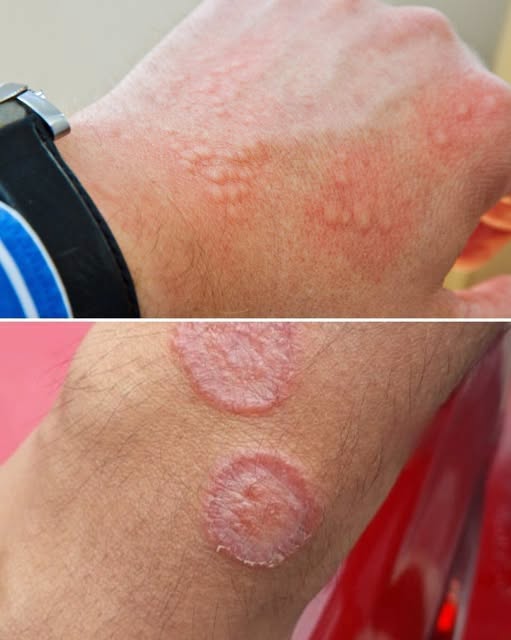
A well-known fungal infection affecting the groin is **tinea cruris**, commonly called **jock itch**. This infection thrives in warm, humid environments and is especially common among people who sweat heavily or wear tight, non-breathable clothing. Jock itch usually causes an itchy, red rash with a clearly defined border that may spread across the inner thighs and surrounding skin. Fortunately, it often responds well to over-the-counter antifungal creams when combined with keeping the affected area clean and dry.
Not every groin rash is caused by an infection. **Contact dermatitis** develops when the skin reacts to an irritant or allergen. Common triggers include fragranced soaps, laundry detergents, fabric softeners, certain fabrics, personal hygiene products, or latex. Symptoms may include redness, itching, burning, dry skin, or even small blisters. Identifying and avoiding the substance causing the reaction is the most important part of treatment, while moisturizers or medicated creams may help calm the inflammation.
Excessive moisture can also lead to **intertrigo**, a condition caused by skin rubbing against skin in warm, damp areas. The resulting friction damages the skin, creating redness, soreness, and sometimes secondary bacterial or fungal infections. Wearing loose, breathable clothing and reducing moisture can significantly improve symptoms.
Certain chronic skin conditions may also affect the groin. **Eczema (atopic dermatitis)** can cause dry, itchy patches, while **psoriasis** may produce smooth, red plaques in skin folds. These conditions are not contagious but often require specific treatment plans recommended by a healthcare provider.
Occasionally, groin irritation may be associated with **sexually transmitted infections (STIs)** or other medical conditions, particularly if symptoms include ulcers, unusual discharge, swollen lymph nodes, fever, or persistent sores. These situations should always be evaluated promptly by a healthcare professional for accurate diagnosis and appropriate treatment.
There are several simple steps that can help reduce the risk of many common groin skin problems. Keep the area clean and thoroughly dry after bathing or exercising. Wear loose-fitting underwear made from breathable fabrics such as cotton. Change out of sweaty clothing as soon as possible, avoid sharing towels, and use clean razors if shaving. If you notice that a particular soap, detergent, or skincare product causes irritation, discontinue its use and switch to fragrance-free alternatives.
Although many groin rashes improve with basic home care, it’s important to seek medical attention if the rash lasts longer than two weeks, becomes increasingly painful, produces pus, spreads rapidly, is accompanied by fever, or repeatedly returns despite treatment. People with diabetes, weakened immune systems, or other chronic medical conditions should be especially cautious, as infections may become more severe.
Most cases of groin irritation are treatable once the underlying cause is identified. Rather than assuming every itch or rash is the same, paying attention to your symptoms and seeking medical advice when needed can prevent minor skin problems from becoming more serious. Early treatment often leads to faster healing, less discomfort, and a quicker return to everyday activities.