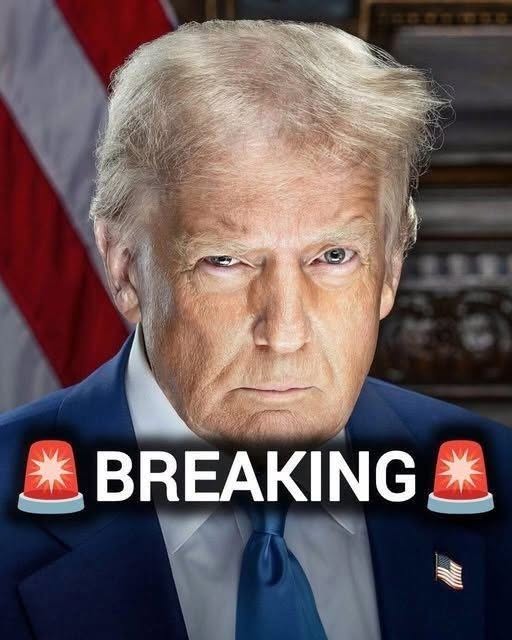
The rules governing online behavior are rapidly changing, and a newly signed federal law is drawing significant attention across the technology sector and beyond. The legislation, signed by President Donald Trump, represents one of the most substantial efforts yet to address the growing dangers associated with artificial intelligence and the spread of non-consensual digital content. As technology continues to evolve, lawmakers are increasingly focused on how digital privacy, personal consent, and online accountability should be protected in an era where manipulated content can be created and shared within seconds. The law signals a major shift in how the federal government intends to address harmful activity in digital spaces.
The measure comes at a time when artificial intelligence has made it easier than ever to create realistic images, videos, and audio recordings that may not accurately reflect reality. What once required advanced technical expertise can now be accomplished through widely accessible tools. One of the primary goals of the legislation is to combat the creation and distribution of non-consensual intimate imagery, including AI-generated content that falsely portrays individuals in private or compromising situations. Supporters argue that such material can cause severe emotional, reputational, and professional harm, making stronger legal protections necessary for victims.
Under the provisions of the law, individuals who create or distribute prohibited content may face serious legal consequences. The legislation establishes criminal penalties designed to reflect the severity of the offense and the damage inflicted upon victims. In particularly serious cases, violations may result in substantial fines or prison sentences. Lawmakers have emphasized that online activity should not be viewed as immune from legal accountability simply because it occurs behind a screen or under an anonymous username. The message is clear: actions carried out in digital environments can carry real-world consequences.
The law also places significant responsibilities on the online platforms that host user-generated content. Social media companies, websites, and other digital service providers are expected to maintain clear and efficient systems for receiving and responding to requests involving harmful material. The goal is to ensure that content identified as violating the law can be addressed quickly before it spreads widely across the internet. Companies that fail to establish effective procedures or respond appropriately may face increased scrutiny from regulators and government agencies. For many technology firms, this represents a substantial expansion of their obligations regarding content moderation and user safety.
At the same time, the legislation has sparked an active debate among legal scholars, technology experts, and civil liberties advocates. Supporters view the law as a necessary response to emerging technological threats and a logical extension of existing protections against privacy violations. Critics, however, have raised concerns about how the law will be interpreted and enforced. Questions have emerged regarding the balance between protecting individuals from harm and safeguarding rights related to free expression, artistic creativity, satire, and other forms of protected speech. As AI-generated content becomes increasingly common, determining where those boundaries should exist may prove challenging.
Enforcement presents another complex issue. Investigators and law enforcement agencies will often be required to track digital activity that crosses state and international borders, involves anonymous accounts, or originates from decentralized online platforms. Establishing responsibility for a particular piece of content may require extensive technical analysis and legal investigation. Determining who created an image, how it was distributed, and whether specific intent existed can be a complicated process. Because of these challenges, legal experts expect that courts may spend years clarifying how various aspects of the legislation should be applied.
Some observers have also expressed concerns about the broader implications of expanding government oversight within digital spaces. While the law is intended to address specific forms of harmful content, debates continue regarding how future regulations might evolve. Advocates for digital rights emphasize the importance of ensuring that efforts to protect users do not unintentionally restrict legitimate online activity or create uncertainty about lawful expression. These discussions are likely to continue as technology and legal frameworks develop alongside one another.
As society adapts to the realities of increasingly sophisticated digital tools, the new legislation serves as a reminder that online environments are becoming more regulated and accountable. Users, platforms, and policymakers alike are being asked to reconsider how information is created, shared, and managed. The era of casually posting or distributing content without considering potential consequences is rapidly changing. Whether viewed as a necessary safeguard or the beginning of a broader regulatory shift, the law reflects a growing recognition that digital actions can have profound real-world effects. Moving forward, greater awareness, responsibility, and caution will likely become essential components of participating in the online world.