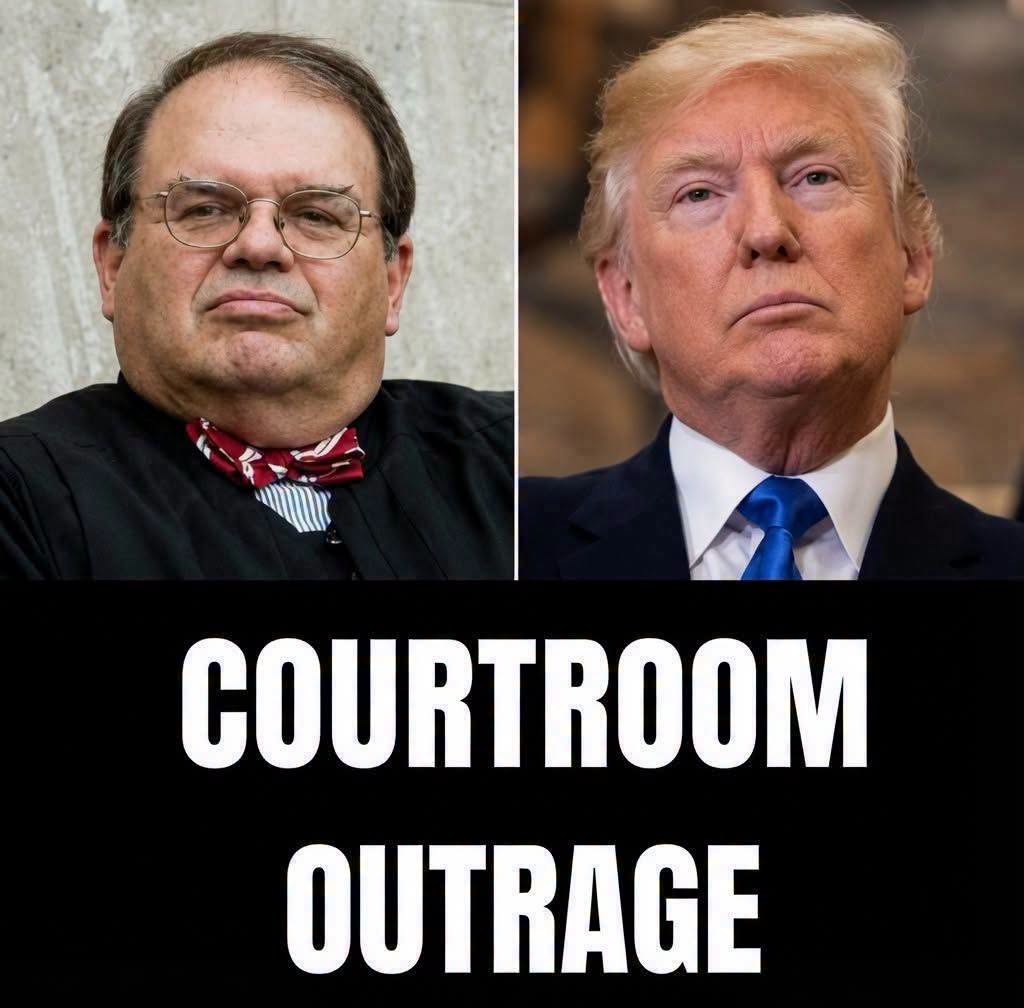
A recent federal court ruling has intensified an already heated national debate over military policy, presidential authority, and the constitutional rights of service members. The decision has drawn widespread attention because it reaches far beyond a single administrative directive, raising broader questions about how much deference courts should give to military leadership and where the limits of executive power begin and end. As legal challenges continue, the case has become a focal point in discussions about the balance between national defense, civil rights, and the role of the judiciary in reviewing government actions.
At the center of the dispute is the court’s examination of restrictions affecting transgender military service. In its analysis, the court questioned whether portions of the policy could have been influenced by improper motives, including what it described as possible “animus.” That language immediately became one of the most closely examined aspects of the ruling, with supporters viewing it as an important constitutional safeguard while critics argued that it reflected an inappropriate evaluation of military decision-making. The opinion has therefore generated strong reactions across legal, political, and military circles.
Many current and former military officials, along with constitutional scholars who favor broad executive authority in defense matters, argue that personnel decisions are closely connected to military readiness, discipline, and operational effectiveness. From this perspective, the President, serving as Commander-in-Chief, together with senior defense leaders, has traditionally been granted substantial discretion to establish policies governing military service. Critics of the ruling contend that extensive judicial involvement in these decisions risks limiting that flexibility and could blur the longstanding separation between military command and judicial review.
Others see the issue very differently. Supporters of the court’s decision argue that the armed forces, while operating under unique circumstances, remain subject to constitutional protections. In their view, policies affecting eligibility for military service should be examined carefully to ensure they comply with guarantees of equal protection and other fundamental legal principles. They maintain that judicial oversight serves as an essential check on government authority and helps ensure that constitutional rights remain protected, even within institutions responsible for national defense.
The intensity of the discussion reflects the importance of the competing values involved. One perspective emphasizes the military’s primary responsibility to maintain readiness, cohesion, and the ability to carry out its missions as effectively as possible. Those holding this view often argue that military leaders require broad flexibility to make personnel decisions they believe support operational success. The other perspective emphasizes equal treatment under the law, arguing that qualified individuals should not face exclusion unless restrictions can be clearly justified under constitutional standards. Supporters of this approach believe that safeguarding individual rights ultimately strengthens the institutions those individuals serve.
Because these principles are both deeply rooted, the debate has become one of the most closely watched legal and political issues involving military policy in recent years. Questions about executive authority, judicial review, and constitutional protections extend well beyond this individual case and may continue shaping future discussions regardless of the final outcome. As additional appeals and legal proceedings unfold, the courts may provide further guidance on how these competing constitutional interests should be balanced.
Ultimately, the case illustrates the continuing challenge of reconciling national security responsibilities with constitutional guarantees. Whether viewed primarily as a question of military readiness, executive authority, civil rights, or judicial responsibility, the issues involved reach beyond any single administration or policy. The decisions that emerge from this legal process may influence not only future military regulations but also broader conversations about the relationship between government power, individual rights, and the constitutional framework that governs both.