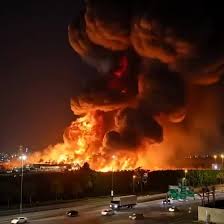
Social media posts and photographs can give the impression that news is happening instantly, but when a crisis intensifies rapidly, it becomes crucial to confirm the facts. Posts alleging immediate developments in Tel Aviv and the surrounding areas have gone viral in recent days, with many citing quick “just now” updates or anonymous officials. Even though these posts get attention, it’s important to distinguish between verified facts and persistent uncertainty and viral assertions. By doing this, proper reporting is ensured and false information is stopped from spreading, especially during tense situations.
The Beit Shemesh event has been one of the main causes for concern. Numerous reliable sources claim that Iranian missiles caused a direct ballistic impact in the region. Nine verified deaths and multiple injuries were caused by the attack on March 1, 2026. At the time, a large number of victims were inside public shelters, underscoring the need of civil defense infrastructure as well as the dangers of assaults. Deputy Commissioner and Jerusalem District Police Chief Avshalom Peled gave thorough explanations of the sheltering protocols, highlighting how these actions reduced casualties in spite of the impact’s intensity. The verifiable nature of these accounts has been confirmed by official visits by Israeli authorities on March 2 and follow-up reports.
Reports from reliable sources like The Times of Israel show damage to the region, but structural findings are still unconfirmed, despite some viral posts suggesting that a synagogue collapsed onto a shelter beneath it. Without claiming specific collapse specifics, the safest assessment, based on verifiable information, is that the hit affected a synagogue area and adjoining shelter spaces, with many people inside.
The incident’s larger background is the swift escalation between Iran, the United States, and Israel. Along with diplomatic efforts and humanitarian concerns, military action is still taking place throughout the region. President Isaac Herzog and other Israeli officials have emphasized their support for American efforts to stop Iran from developing nuclear weapons. At the same time, the United Nations and international humanitarian organizations have stressed the significance of protecting civilians in conflict situations, especially children.
The effectiveness of shelter and civil defense has been a major topic of discussion. Although shelters greatly lessen exposure to explosions and debris, the quality of their construction, location, and proximity to impacts all affect how protective they are. Although their presence unquestionably saves lives, officials point out that no shelter can completely remove risk, especially during intense bombing. In an effort to lower the number of casualties in subsequent instances, recent evaluations of warning systems and interception capabilities are being conducted.
In this context, social media remains a double-edged weapon. Posts that are designed to look urgent frequently lack verification and may combine fresh reports with content that has already been repeated. Users are advised to rely on official declarations from the Israeli government, reputable national media outlets with correspondents on the ground, and major wire services like Reuters. Verifiable comments and named spokespersons continue to be the gold standard for event confirmation.
News organizations and content producers should avoid speculative or emotionally charged language, use phrases like “officials reported” or “according to sources,” and maintain a neutral tone while reporting. By emphasizing the importance of shelters, civil defense readiness, and continuous verification procedures, readers are better able to comprehend the actual hazards and preventative measures without being sensationalized.
Verified news from Beit Shemesh highlights the conflict’s human cost. The seriousness of the crisis is demonstrated by the nine confirmed deaths, several injuries, and considerable disruption to the community. Although key structural elements are still unclear, significant sources agree that citizens were hurt while trying to seek cover, highlighting how hazardous and unpredictable the strikes were.
The difficulty of separating fact from rumor is highlighted by the quick dissemination of information on social media. Fear and confusion can be increased by posts that claim updates were made “just minutes ago” or cite anonymous officials. Cross-referencing claims from primary sources, official government releases, and reputable news organizations with established on-site reporting is necessary for verification.
The immediate humanitarian impact, the attacks’ strategic ramifications, and the wider regional tensions have all appropriately drawn public attention as the situation develops. The escalation between Israel and Iran, which has been exacerbated by US intervention, affects not just the local populace but also worldwide security, diplomatic ties, and attention from around the world.
In conclusion, confirmed reports attest to the following:
President Isaac Herzog visited affected locations, like as Beit Shemesh, to confirm official facts and offer firsthand evaluations.
Nine fatalities and countless injuries have been reported by several reliable sources, with many victims taking refuge during the assault.
There was damage to a synagogue area and nearby shelter areas, but there is no proof that the structure collapsed.
The event in Beit Shemesh is a component of a larger escalation encompassing military, diplomatic, and humanitarian aspects between Israel, the United States, and Iran.
The guiding principles still apply to individuals who follow updates: give priority to verifiable information, be aware of the limitations of civil defense procedures, and use caution when interpreting posts on social media. While preventing the spread of unsubstantiated allegations, responsible reporting guarantees that the public is aware of actual hazards, current developments, and humanitarian considerations.
This debate serves as a reminder that, despite their persuasiveness, quick, real-time updates must always be evaluated against reliable data. The events in Tel Aviv and Beit Shemesh serve as examples of how fast situations can worsen, the vital role that shelters and civil defense play, and the necessity of precise, confirmed information in order to handle emergencies properly.