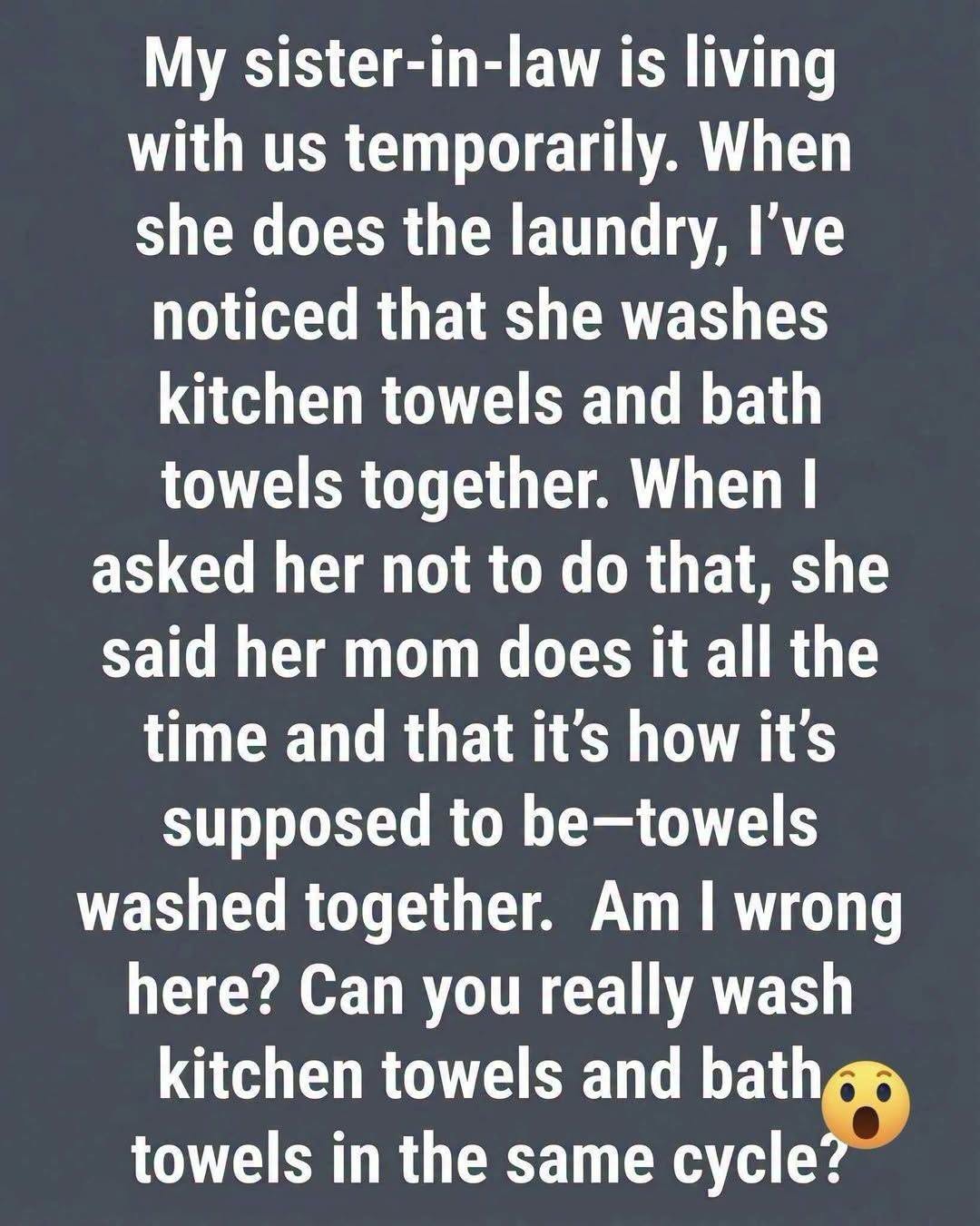
Should You Wash Kitchen Towels and Bath Towels Together? The Answer May Surprise You
Many people toss all their towels into the washing machine together without giving it a second thought. Kitchen towels, bath towels, hand towels, and washcloths all seem similar, so washing them in the same load might appear perfectly reasonable.
But is it actually a good idea?
The short answer is that it is generally better to wash kitchen towels and bath towels separately, especially when kitchen towels have been used to wipe food spills, clean countertops, or handle raw meat and its juices.
Here’s why this simple laundry habit matters more than you might think.
1. Kitchen Towels Can Carry Different Types of Germs
Kitchen towels often come into contact with food residue, grease, dirty hands, and kitchen surfaces. If they are used to wipe up raw meat juices or contaminated spills, they may carry harmful microorganisms, including bacteria that can cause foodborne illness.
Bath towels, meanwhile, collect sweat, dead skin cells, and moisture from the body.
Although both types of towels can contain microorganisms, their sources of contamination differ. Washing them together can create unnecessary opportunities for cross-contamination, particularly if the washing cycle is too cool or the detergent and washing conditions are inadequate.
2. Moisture Can Encourage Bacterial Growth
One of the biggest problems with towels is leaving them damp for too long.
A wet kitchen towel left in a pile beside the sink can become an environment where microorganisms multiply. The same applies to bath towels that remain folded or bunched up after use.
Before washing, allow towels to dry if they cannot be laundered immediately. Avoid leaving dirty, damp towels sitting together in a laundry basket for extended periods.
3. Different Towels May Need Different Washing Temperatures
Not all towels require the same washing conditions.
Kitchen towels exposed to food contamination may need a hotter wash, provided the fabric care label allows it. Bath towels can often be washed according to their own care instructions.
For ordinary laundry, use an appropriate detergent and follow the manufacturer’s instructions. When towels have been contaminated with raw meat juices or other potentially infectious material, take extra care and use a suitable laundering cycle.
Do not assume that a quick, cool wash will always be sufficient for heavily soiled towels.
4. Kitchen Towels Can Transfer Grease and Food Odors
Even when there is no major hygiene concern, kitchen towels can make a mixed load less appealing.
They may contain cooking oil, food stains, and strong odors that can affect other fabrics. Washing greasy kitchen towels separately can help prevent these residues from spreading and makes it easier to choose the right wash cycle.
If a towel smells unpleasant after washing, do not simply put it away. Rewash it and make sure it dries completely.
5. How Often Should You Wash Your Towels?
The ideal frequency depends on how the towels are used and how quickly they become dirty.
Kitchen towels: Change them daily when heavily used, and immediately after wiping up raw meat juices or other hazardous spills.
Bath towels: Wash them after approximately three to four uses, provided they dry completely between uses and are not visibly dirty or smelly.
Hand towels: Wash them frequently, particularly in busy households or when several people share them.
Cleaning towels: Keep these separate from towels used for drying clean hands or bodies.
These are practical guidelines rather than strict rules. Towels should be washed sooner if they become damp for long periods, develop an odor, or are contaminated.
6. The Best Way to Wash Towels Safely
For better hygiene and longer-lasting towels, follow these simple steps:
Separate kitchen towels from bath towels, particularly when the kitchen towels are heavily soiled.
Sort towels by color and fabric type to prevent dye transfer and fabric damage.
Use a suitable detergent and the warmest water temperature allowed by the care label.
Avoid overloading the washing machine so water and detergent can circulate properly.
Dry towels thoroughly before storing them.
Clean your washing machine regularly according to the manufacturer’s instructions.
If towels have been contaminated with raw meat juices, follow food-safety guidance and the fabric’s care instructions. Never mix cleaning chemicals, especially bleach and ammonia-based products.
So, Should You Wash Kitchen Towels and Bath Towels Together?
Although washing them together is not automatically dangerous in every situation, washing them separately is the more cautious and practical choice.
Kitchen towels can be exposed to food-related contaminants that ordinary bath towels are less likely to encounter. Keeping the two categories separate, using an appropriate washing cycle, and drying everything thoroughly can help maintain better household hygiene.
The next time you do laundry, consider giving your kitchen towels their own load. It is a small change that can make your cleaning routine more effective.
The bottom line: Clean towels are not just about freshness. Proper washing, careful handling, and complete drying all play a role in keeping your home hygienic.