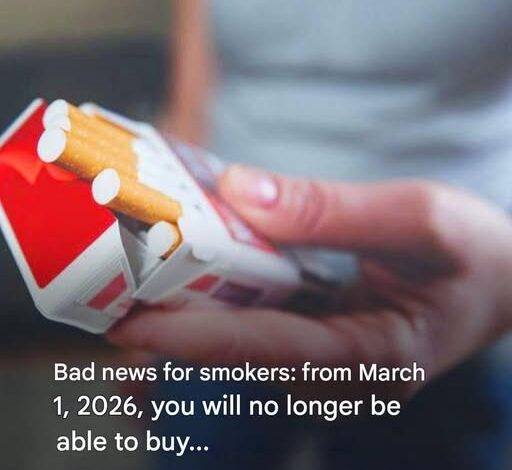
Tobacco in France has quietly crossed a line that many had only anticipated in whispers. Packs of cigarettes that were once an unremarkable, almost automatic purchase, something done without a second thought, have now grown to consume what many would consider a full day’s budget. For smokers, the experience has shifted from casual habit to financial strain; the simple act of buying a pack now comes with a pang of guilt and frustration. Politicians continue to speak in measured tones about public health, citing statistics and the societal costs of smoking, while the customs office meticulously ensures that every single euro in taxes is collected. Meanwhile, the retail price of cartons has surged well past €300, creating a stark contrast with neighboring countries where identical brands are available for roughly half the cost. This discrepancy fuels a simmering tension: smuggling operations gain traction, bans on smoking tighten in public spaces, and conversations about the next tax increase, already looming on the horizon, dominate debates both in parliament and in everyday cafés.
Behind every pack sold in France lies a careful, deliberate political decision. It is true that manufacturers suggest base prices for their products, but the state, through a combination of customs enforcement and complex taxation, ultimately determines the level of financial pain inflicted on consumers. The numbers are stark: approximately 75–80% of the retail price is composed of taxes, leaving only narrow profit margins for both producers and local tobacconists. As a result, the average pack now hovers around €12.50–€13 in 2026, a steep climb that has altered the daily habits of many smokers. Rolling tobacco, once considered a budget-friendly alternative, has not been spared from these increases; 30-gram pouches now approach €18, erasing what was once a refuge for those seeking a cheaper way to maintain their habit. The pattern is unmistakable, and it affects every segment of society—from casual smokers to those for whom tobacco represents a longstanding ritual or stress-relief habit.
This relentless rise in prices is far from accidental. Since 2023, tobacco taxes have been automatically adjusted in line with inflation, creating a feedback loop where each year sees higher costs justified by the country’s ongoing public health crisis. France cites roughly 75,000 deaths annually that are directly related to smoking, a figure that lends weight to each incremental tax hike. Yet the impact is deeply felt on the ground. Beyond prices, the state has intensified restrictions on smoking in public spaces: parks, beaches, school zones, and other areas once considered informal smoking spots are now strictly off-limits, enforced through fines for both lighting up and even carelessly discarding a cigarette butt. This regulatory rigor reflects a determined public health strategy, but it collides with economic realities. Across France’s borders, significantly cheaper packs encourage cross-border shopping trips and sustain a smuggling economy, highlighting the persistent tension between the government’s health-driven ambitions and the lived experience of smokers—many of whom are trapped in addiction, constrained by income, and increasingly frustrated by the relentless financial squeeze.
Ultimately, the story of tobacco in France is not just one of rising prices, but of a carefully orchestrated social experiment. Every decision, from taxation to public bans, sends a clear signal: smoking is costly, socially discouraged, and increasingly difficult to maintain. Yet for many, the habit remains, driven by addiction, cultural norms, and personal choice, ensuring that each pack sold is both a product of consumer demand and a reflection of deliberate political strategy. As taxes continue to climb and regulatory measures expand, the gap between health policy ideals and economic realities will only widen, presenting a complex challenge for the government, for society, and for the millions of smokers who navigate this expensive, tightly controlled market every day.