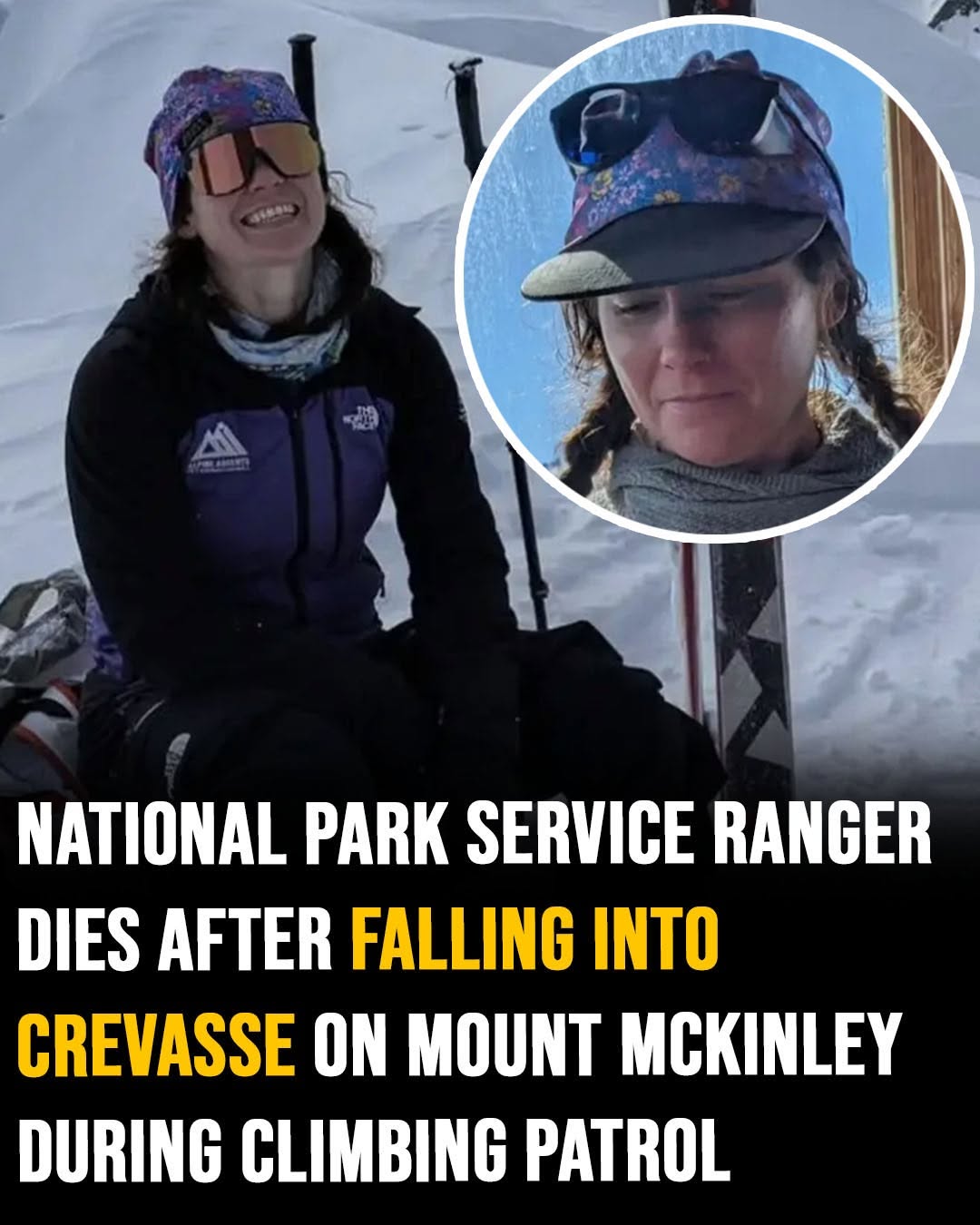
The mountain claimed her life in a matter of seconds. What began as another routine day of service high on the icy slopes of North America’s tallest peak ended in tragedy, leaving an entire community of climbers, rescuers, and park personnel mourning the loss of one of their own. A seasoned ranger, respected colleague, and passionate mountaineer, Robin Pendery devoted herself to protecting others in one of the most unforgiving environments on Earth. Yet despite her experience and deep understanding of the dangers that surrounded her every day, the mountain she worked so hard to safeguard others from ultimately became the place where her life came to an end.
Far above the tree line, where freezing temperatures, shifting snow, and hidden hazards are constant realities, Pendery spent her days serving as a seasonal ranger on Denali. At 33 years old, she had earned the respect of fellow rangers and climbers alike through her professionalism, dedication, and commitment to safety. Stationed at the mountain’s 14,000-foot camp, she played a critical role in helping climbers navigate the challenges of the peak, monitoring conditions, coordinating responses to emergencies, and providing support to those attempting one of the world’s most demanding ascents.
For many visitors, rangers like Pendery represent a reassuring presence in an environment where mistakes can quickly become life-threatening. They offer guidance, share expertise, and often place themselves in danger to assist others. It is a role that requires not only technical skill but also courage, patience, and an unwavering commitment to service. Pendery embraced those responsibilities fully, dedicating herself to preserving both the safety of climbers and the integrity of the mountain environment.
On Thursday afternoon, however, the very landscape she knew so well revealed one of its most dangerous and unpredictable threats. Hidden beneath the snow-covered surface was a crevasse—a deep crack in the glacier capable of swallowing a person without warning. Such hazards are among the greatest dangers on Denali, often concealed beneath seemingly solid snow bridges that can collapse under weight. In an instant, the ground beneath Pendery gave way, and she fell into the darkness below.
The accident triggered an immediate response from fellow rangers and rescue personnel. Colleagues moved quickly, determined to reach her despite the extreme conditions. In the harsh alpine environment, every rescue operation presents enormous challenges, including unstable terrain, severe weather, freezing temperatures, and limited visibility. As rescuers worked tirelessly, hope remained that they might reach her in time. Tragically, the mission soon shifted from rescue to recovery.
The loss sent shockwaves through the Denali community. Those who work on the mountain understand better than most the risks that accompany every climb, every patrol, and every season. Yet knowledge of those dangers does little to lessen the pain when tragedy strikes. Fellow rangers described Pendery as part of the “Denali family,” a phrase that reflects the deep bonds formed among people who share the responsibility of working in such a demanding environment. It was both a tribute to her life and an acknowledgment of the close-knit community left behind by her passing.
Her death comes during an especially painful period for the mountain. Only days earlier, three climbers from Latvia lost their lives on Denali, further highlighting the immense dangers posed by the peak. These incidents add to a sobering historical toll that has now reached approximately 130 lives lost on the mountain over the years. Despite advances in equipment, forecasting, communication, and rescue techniques, Denali remains one of the most challenging and unforgiving climbing destinations in the world.
The tragedy also renews broader questions about risk, responsibility, and sacrifice. Why do climbers continue to return to a place where the dangers are so well known? Why do rangers willingly spend months in an environment where even routine duties can become life-threatening? For many, the answer lies in a profound respect for the wilderness and a deep passion for the mountains. Those who choose this path understand the risks, but they also recognize the unique sense of purpose, challenge, and connection that such places provide.
Robin Pendery embodied that spirit. She dedicated her time, energy, and expertise to helping others safely experience one of nature’s most awe-inspiring landscapes. Her work was not motivated by recognition or reward, but by a commitment to service and a love for the mountains she called home. Even in the face of danger, she continued showing up, day after day, to protect and assist those who ventured onto Denali’s slopes.
As colleagues, friends, and loved ones remember her life, they remember more than the tragedy of her final moments. They remember her dedication, her professionalism, and the positive impact she had on those around her. Her story is a reminder of both the beauty and the power of the natural world—a world that inspires countless people while demanding respect from everyone who enters it.
The mountain remains where it has always stood, silent and imposing against the Alaskan sky. Climbers will continue to arrive, drawn by its challenge and majesty. Rangers will continue their work, guiding and protecting those who seek to stand on its slopes. Yet for the Denali community, this season will forever be marked by the loss of Robin Pendery—a devoted ranger who gave her life while serving in the place she loved most.