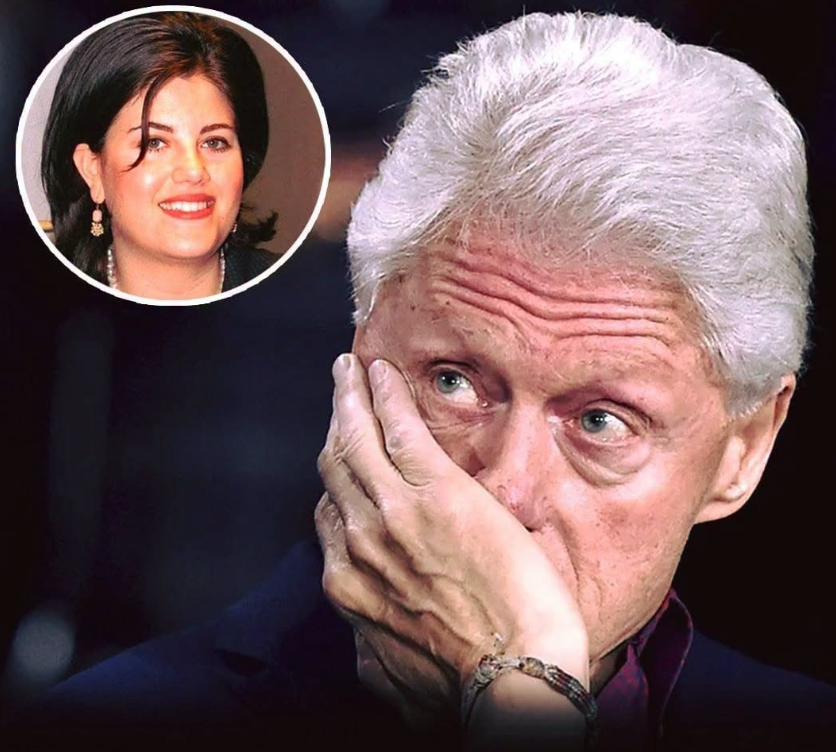
For years, Monica Lewinsky’s name was spoken as a joke before it was ever spoken with compassion. At just 22 years old, she found herself at the center of one of the most publicized political scandals in modern history, a story that transformed her from an unknown White House intern into one of the most recognizable women in the world almost overnight. While politicians debated, television hosts joked, and newspapers chased every headline, Monica was left to endure a level of public humiliation that few people could ever imagine. Today, more than three decades later, she is finally reclaiming her own story—and challenging the world to reconsider everything it thought it knew.
When Monica first arrived at the White House, she was a young woman with dreams of building a career in public service. Like many recent college graduates, she admired politics and hoped to learn from some of the nation’s most influential leaders. She could never have imagined that a personal relationship would soon become international news, permanently changing the course of her life.
The scandal exploded in the late 1990s, dominating television broadcasts, newspaper front pages, and conversations around the globe. Every development became breaking news. Every interview generated new speculation. Monica’s private life was suddenly dissected before millions of people who knew nothing about her beyond sensational headlines.
As the story unfolded, much of the public conversation focused on political consequences, investigations, and presidential accountability. Yet behind those headlines stood a young woman whose entire identity was being reduced to a single chapter of her life. While powerful figures continued their careers, Monica became the face of ridicule, carrying a burden that would follow her for decades.
Looking back today, Monica describes the relationship very differently than she could when she was in her twenties. In recent interviews and public appearances, she has spoken openly about how maturity, life experience, and reflection have changed her understanding of what happened. What once felt to her like love now appears through a far more complicated lens involving authority, vulnerability, and an enormous imbalance of power.
Speaking candidly on Elizabeth Day’s *How To Fail* podcast, Monica explained that she now sees the relationship as one shaped by a significant difference in power between a young intern and one of the most influential people in the world. She acknowledged that while genuine emotions existed on her part, the circumstances surrounding the relationship cannot be separated from the realities of authority and influence.
Those reflections have become an important part of Monica’s broader message. Rather than trying to erase the past, she has chosen to examine it honestly, encouraging conversations about workplace ethics, consent, power dynamics, and the long-lasting effects public scandals can have on ordinary people caught inside extraordinary circumstances.
Perhaps even more painful than the original scandal was everything that followed. For years, Monica became the target of relentless jokes across television, radio, newspapers, and the emerging internet. Late-night comedians used her name as a punchline. Tabloids published endless stories about her appearance, her personal life, and her future. The ridicule seemed endless, leaving little room for compassion or understanding.
In recent years, Monica has spoken openly about the emotional toll that level of public shaming took on her mental health. She has described periods of intense isolation, overwhelming embarrassment, and the challenge of rebuilding a life after becoming one of the most recognizable—and misunderstood—people in the world.
Despite those struggles, Monica gradually transformed her painful experiences into advocacy. She became a vocal opponent of cyberbullying, online harassment, and public shaming, using her own story to encourage greater empathy in an increasingly digital world. Her speeches, essays, and interviews have inspired conversations about kindness, accountability, and the lasting impact words can have on another person’s life.
As social attitudes evolved over the years, many people began reevaluating the way Monica had been treated during the scandal. Discussions surrounding gender, power, and workplace relationships led many observers to question why such an enormous share of public condemnation had fallen upon the youngest and least powerful person involved.
While opinions about the scandal itself continue to differ, Monica has remained focused on something larger than public debate. She frequently emphasizes that people should never be permanently defined by the worst or most public moment of their lives. Human beings grow, learn, mature, and deserve the opportunity to move forward rather than remain trapped by a single chapter.
Her willingness to revisit painful memories has required enormous courage. Rather than hiding from her past, Monica has repeatedly chosen transparency, believing that honesty can help others facing shame, bullying, or public humiliation feel less alone. In doing so, she has reshaped her public image from one of scandal to one of resilience.
Today, Monica Lewinsky is recognized not only as a writer, speaker, and advocate, but also as someone who has reclaimed ownership of a story that others once controlled. Instead of allowing history to speak for her, she has found her own voice and used it to promote empathy, accountability, and meaningful cultural reflection.
Her journey reminds us how quickly public opinion can turn a real person into a symbol, often forgetting the human being behind the headlines. It also demonstrates that healing is possible, even after years of criticism, provided someone is given the space to tell their story in their own words.
More than thirty years after the scandal that once threatened to define her forever, Monica Lewinsky stands as an example of resilience rather than shame. Her story is no longer simply about politics or controversy. It has become a powerful reminder that compassion, growth, and the courage to reclaim one’s narrative can ultimately outlast even the loudest headlines.