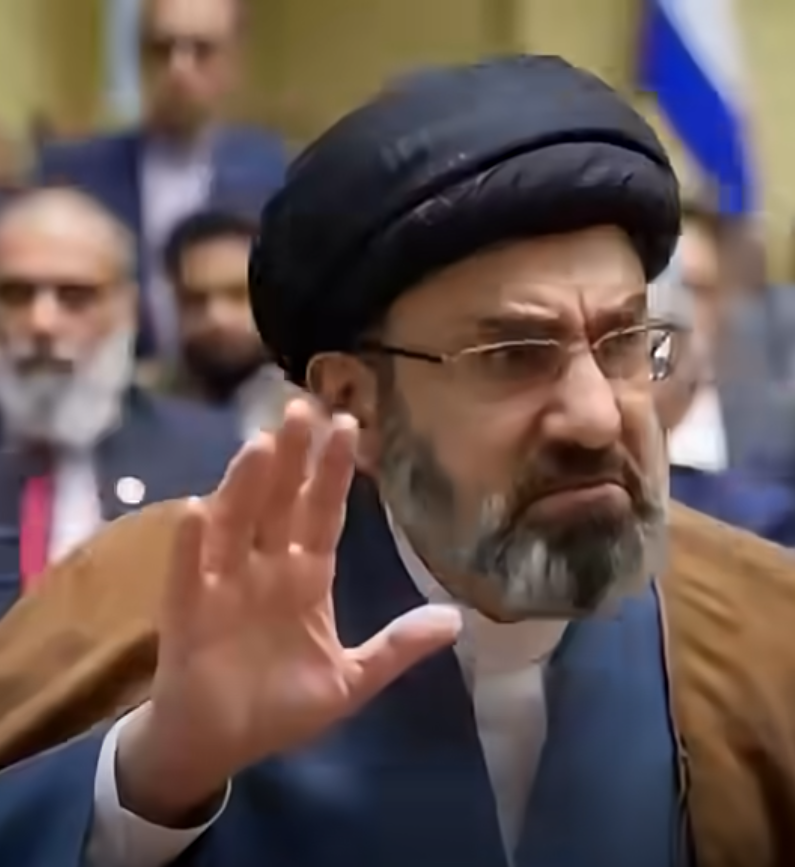
The warplanes are already in the sky. The tankers remain trapped at sea. One miscalculation in the Strait of Hormuz could send shockwaves through every major economy on Earth within hours. Behind heavily guarded doors in Doha, Washington, and across the Gulf, diplomats, military officials, and political leaders are scrambling to prevent a crisis that threatens to spiral beyond anyone’s control. What is unfolding is not merely another round of negotiations—it is a high-stakes confrontation where every decision carries consequences for global energy markets, regional security, and the fragile balance between war and peace.
Behind closed doors in Qatar and Washington, both sides are negotiating from positions shaped by pressure rather than confidence. American naval forces remain deployed near Iran’s coastline, maintaining a presence that Tehran views as a direct threat while U.S. officials describe it as a necessary measure to deter escalation and protect international shipping routes. The standoff has already disrupted trade, increased uncertainty across energy markets, and raised fears that a single missile launch, naval incident, or misread signal could ignite a wider conflict stretching far beyond the Persian Gulf.
Iranian officials continue to signal that they may be willing to support the reopening of critical shipping lanes through the Strait of Hormuz, one of the world’s most important energy corridors. However, Tehran insists that any breakthrough must include meaningful guarantees. Iranian negotiators argue that economic pressure, military deployments, and shifting American policies have left them deeply skeptical of promises made today and withdrawn tomorrow. From their perspective, reopening trade routes without securing reliable commitments would simply leave them vulnerable to renewed pressure in the future.
On the American side, Donald Trump’s team believes a combination of military pressure and diplomatic leverage can produce a far stronger agreement than previous arrangements. Officials close to the negotiations argue that years of sanctions, strategic strikes, and international isolation have placed Tehran in a position where it must make significant concessions. They insist that any final agreement must contain stricter limits on uranium enrichment, expanded international inspections, and stronger safeguards designed to prevent future nuclear escalation. According to their vision, the objective is not simply to pause tensions but to create a framework that could endure for years rather than months.
Yet Iranian negotiators remain cautious. Publicly and privately, they continue to warn that the international community should not expect a rapid breakthrough. Decades of mistrust hang over every discussion. Each proposal is scrutinized, every guarantee questioned, and every compromise measured against a long history of failed agreements and broken expectations. Diplomats familiar with the talks describe an atmosphere where progress is possible but fragile, with even small disagreements capable of derailing weeks of careful work.
Between the two sides lies a narrow and uncertain path forward. Potential areas of compromise reportedly include tighter nuclear restrictions, expanded monitoring by international inspectors, phased sanctions relief, and new security mechanisms aimed at reducing the risk of military confrontation throughout the region. Such measures could provide enough common ground to stabilize the situation, but only if both parties are willing to accept political risks at home and strategic compromises abroad.
The stakes could hardly be higher. If negotiators succeed, commercial shipping may resume normal operations, energy markets could stabilize, and the threat of immediate conflict might begin to recede. Tankers would move freely through the Strait of Hormuz, global investors would regain confidence, and military forces could gradually step back from the brink. The world economy, already vulnerable to uncertainty, would gain a much-needed measure of stability.
If they fail, however, the consequences could be severe. A continued standoff would keep one of the world’s most critical maritime choke points under constant threat. Energy prices could surge, international trade could face major disruptions, and military forces on all sides would remain in a state of heightened readiness. In such an environment, the danger may not come from a deliberate decision to start a war, but from a misunderstanding, a miscalculation, or a single incident that rapidly spirals beyond control.
For now, the world watches and waits. In conference rooms far removed from the shipping lanes and military patrols that dominate the headlines, negotiators continue their efforts to find common ground. The outcome remains uncertain. But with warplanes overhead, tankers stalled, and tensions simmering across the region, the Strait of Hormuz remains one mistake away from becoming the center of a crisis that could reshape global politics and economics overnight.