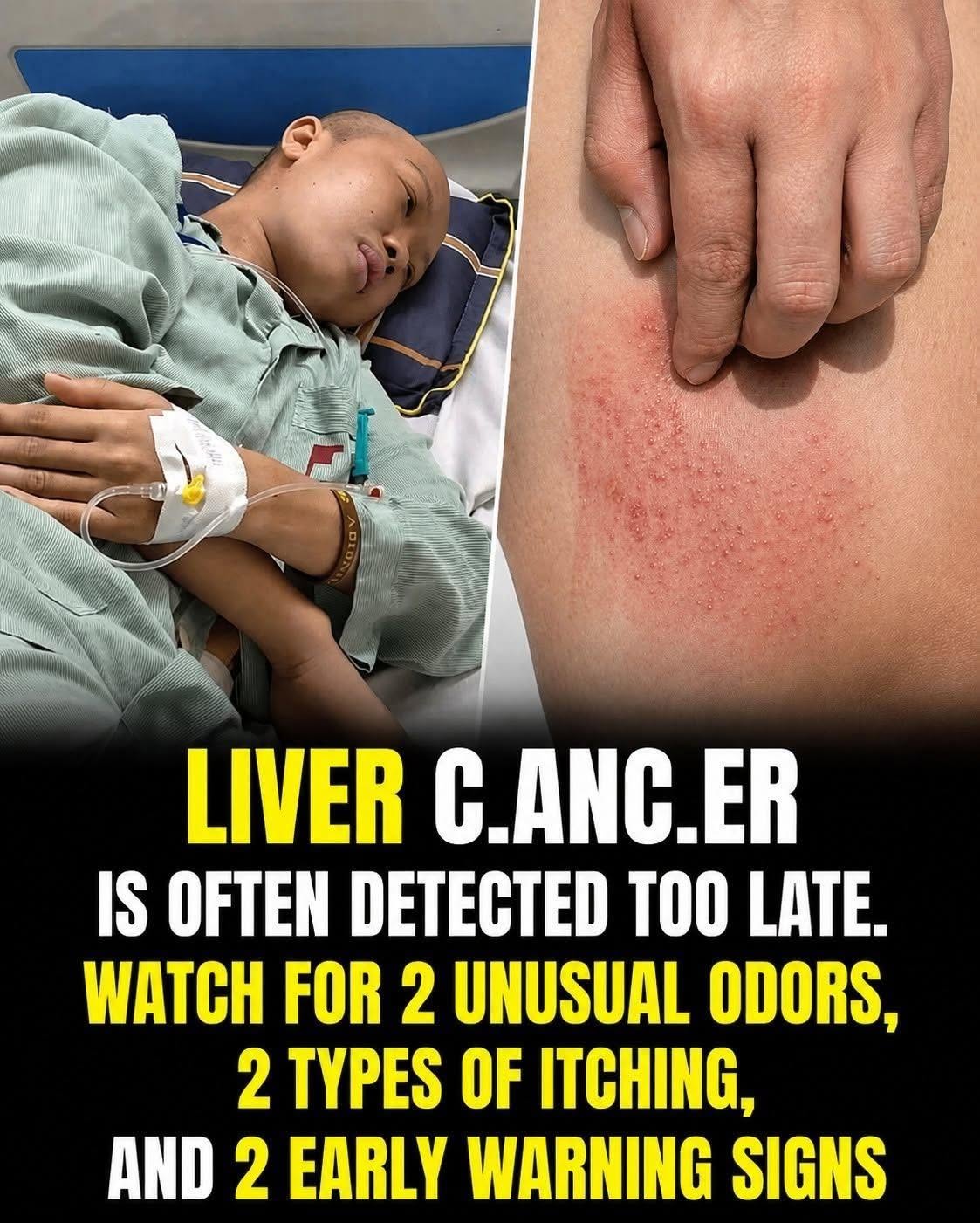
Liver cancer can be difficult to recognize early because it may cause few obvious symptoms at first. That does not mean a person can diagnose it by watching for one unusual odor, one location of itching, or another viral warning sign. Those symptoms are nonspecific and can arise from many common conditions. The safest approach is to understand persistent changes, know personal risk factors, and seek medical advice when something does not resolve.
The liver performs essential work: it helps digest fat, stores energy, makes proteins, and processes substances in the blood. Primary liver cancer begins in the liver itself, with hepatocellular carcinoma being the most common adult type. Cancer that starts elsewhere and spreads to the liver is different and may be treated differently.
Symptoms that can occur
Possible signs include discomfort or a lump in the upper right abdomen, swelling of the abdomen, pain near the right shoulder blade or back, jaundice, unusual fatigue, nausea, vomiting, loss of appetite, feeling full after a small meal, unexplained weight loss, dark urine, pale stools, easy bruising or bleeding, and fever. These changes are not unique to cancer. Gallbladder disease, viral hepatitis, medication effects, infections, and many other problems can cause similar symptoms.
Itching may occur when liver or bile-duct problems lead to substances accumulating in the blood and skin. It can be widespread and severe, but itching is far more often caused by dry skin, allergy, eczema, medication, or another noncancerous condition. Body or breath odor is even less useful as a cancer warning. Diet, oral health, infection, sweating, and metabolic conditions can all alter odor. No responsible diagnosis rests on smell alone.
When to call a healthcare professional
Contact a clinician if an unexplained symptom persists for several weeks, worsens, or appears with other changes such as jaundice, abdominal swelling, significant weight loss, or ongoing pain. New yellowing of the skin or eyes, confusion, vomiting blood, black stools, severe abdominal pain, or rapidly increasing swelling require urgent evaluation.
A medical visit usually begins with a history and examination. Blood tests can assess liver function, but no single blood result proves liver cancer. Imaging such as ultrasound, CT, or MRI may be used when appropriate. Alpha-fetoprotein is sometimes measured, especially in people at higher risk, but it can be normal in someone with cancer or elevated for another reason. Diagnosis may require a combination of imaging, laboratory findings, and sometimes biopsy.
Who may need surveillance
Risk is higher in people with cirrhosis and in certain people with chronic hepatitis B or hepatitis C. Heavy alcohol use, metabolic dysfunction-associated steatotic liver disease, inherited disorders such as hemochromatosis, and long-term liver inflammation can also increase risk. Risk varies greatly, so surveillance is not a one-size-fits-all program.
People at increased risk may be advised to have liver ultrasound, sometimes with a blood test, at regular intervals. That is surveillance organized with a clinician, not a general screening test for everyone. Testing has potential harms, including false alarms and missed disease, which is why decisions should reflect an individual’s history.
Reducing risk without chasing myths
Vaccination against hepatitis B, treatment of hepatitis B or C when indicated, limiting alcohol, maintaining a healthy weight, managing diabetes, and avoiding tobacco can reduce some liver-related risks. Medications and supplements should be used as directed because supposedly natural products can also injure the liver. Never stop a prescribed treatment because of a social-media claim; discuss concerns with the prescriber.
Early attention matters, but panic does not help. A persistent symptom deserves an explanation even when cancer is unlikely. Conversely, the absence of a viral sign does not prove the liver is healthy. The useful response is to notice meaningful changes, understand personal risk, and obtain proper evaluation rather than trying to match the body to an online checklist.
Liver cancer is often more treatable when found before it has spread. That makes evidence-based surveillance and timely medical care important for those at risk. It does not make itching or an odor a diagnosis. Symptoms are signals to investigate, not verdicts.