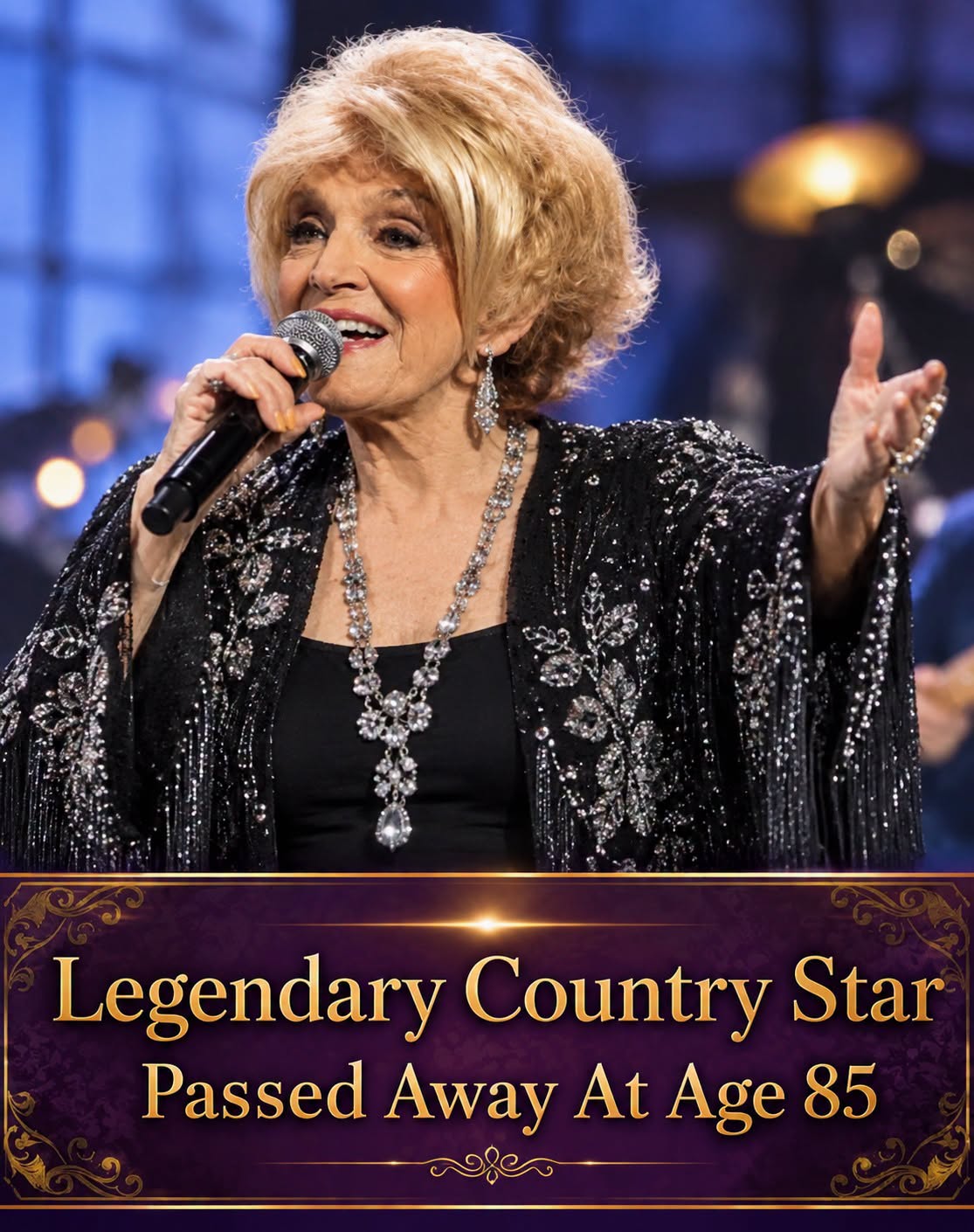
For generations of country listeners, Jeannie Seely brought a rare combination of strength and tenderness to the stage. Her voice carried the emotional honesty that has always been central to country music: the ability to acknowledge heartbreak without surrendering to it, and to turn private pain into something shared.
For listeners going through their own difficult moments, that connection could feel deeply personal.
Seely’s performances did more than deliver songs. They offered companionship. A voice coming through a radio or filling a concert hall could make someone feel a little less alone, particularly during periods of grief, loneliness, or uncertainty. That ability to connect emotionally helped make her a beloved presence within country music and at the Grand Ole Opry.
Over decades, her legacy grew through songs, performances, friendships, and countless shared moments with audiences. She became part of a musical tradition in which storytelling matters as much as spectacle, and where sincerity can remain powerful long after a performance ends.
Her final year brought a much more difficult chapter.
Serious illness, time in intensive care, and bereavement created challenges far removed from the warmth and reassurance she had so often offered others. For someone whose career had been built around bringing people comfort through music, facing vulnerability herself added a painful contrast to the public image audiences had known.
Yet those hardships should not become the only lens through which her life is remembered.
A person’s final months can be important, but they rarely contain the full meaning of a lifetime. Seely’s story is much larger than illness, hospitalization, or loss. It includes the years of work that established her place in country music, the relationships she built, the audiences she reached, and the songs that became part of people’s own memories.
That is why her absence extends beyond the stage.
Fans are mourning not simply a performer, but a familiar emotional presence. For many listeners, her voice may be connected to a particular period of life: a long drive, a quiet evening, a family memory, or a difficult season when music provided comfort that ordinary conversation could not.
That kind of legacy cannot easily be measured.
It lives in the way a song returns to someone’s mind years later, in the memories attached to a particular performance, and in the feeling that a singer somehow understood emotions the listener struggled to express.
Country music has always been particularly powerful in that regard. Its greatest songs often give language to experiences people already carry inside themselves—love, loss, disappointment, endurance, aging, hope, and the complicated process of continuing after something has changed.
Seely’s contribution belongs within that tradition.
The hardships of her last months are part of her story, but they do not define its whole meaning. They are one chapter in a much longer life shaped by music and connection.
What remains is the work itself and the emotional space it created.
Listeners can return to the songs, performances, and memories without reducing her legacy to the circumstances of her final days. In doing so, they keep alive the quality that made her special in the first place: the ability to make someone feel understood.
That may be one of the most enduring gifts a performer can leave behind.
Long after the final curtain, a voice can still arrive at exactly the right moment. It can accompany someone through grief, provide comfort when words fail, or simply remind a listener that difficult feelings are part of being human.
Jeannie Seely leaves behind that kind of musical companionship.
Her life was larger than its final hardships, and her legacy will continue wherever her music reaches someone who needs it.