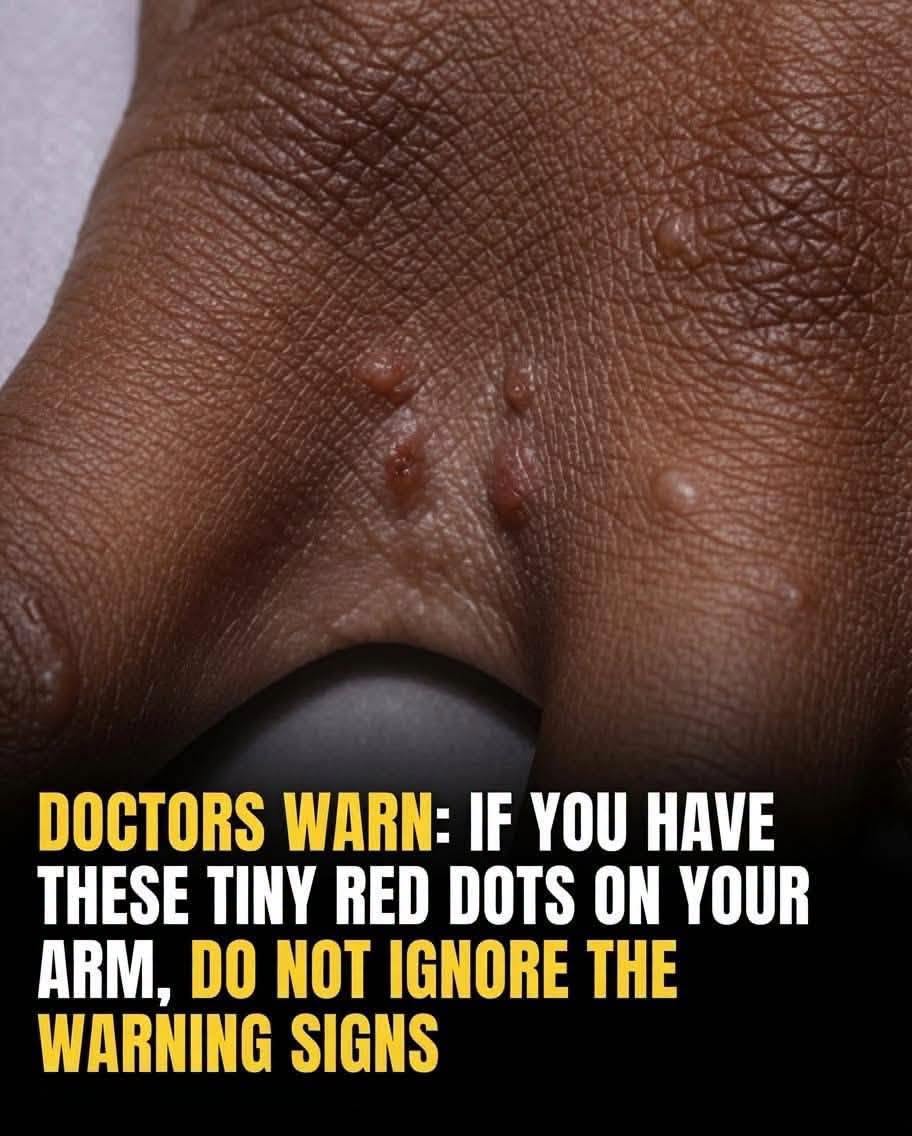
It may begin with nothing more than a faint itch on the palm of your hand or along the sides of your fingers—so subtle that it’s easy to dismiss as dry skin, irritation, or a minor insect bite. Before long, however, tiny fluid-filled blisters can develop, bringing persistent itching, burning, and discomfort that may interfere with everyday activities. While several skin conditions can produce similar symptoms, one possible cause is dyshidrotic eczema, a recurring form of eczema that commonly affects the hands and feet. Recognizing its symptoms early and seeking appropriate medical advice can make managing flare-ups much easier.
Dyshidrotic eczema, also known as pompholyx, is a chronic inflammatory skin condition characterized by small, deep-seated blisters that most often appear on the palms, the sides of the fingers, the soles of the feet, or between the toes. These blisters are typically intensely itchy and may later dry out, leaving the skin cracked, flaky, or tender. Although the exact cause is not fully understood, researchers believe it results from a combination of genetic, environmental, and immune-related factors rather than a single trigger.
Medical terminology may vary depending on where the condition appears. When it primarily affects the hands, some healthcare professionals may refer to it as cheiropompholyx, while involvement of the feet has historically been called podopompholyx. Regardless of the name, flare-ups often follow a similar pattern. Itching frequently begins before visible blisters appear, and over the following days or weeks the affected skin may peel, split, and become painful. If cracks develop or the skin is damaged by excessive scratching, bacteria can enter the area and increase the risk of a secondary infection.
Because many skin conditions can resemble one another, obtaining an accurate diagnosis is important. Allergic contact dermatitis, fungal infections, psoriasis, and other forms of eczema can all produce redness, irritation, or blistering. Treating the wrong condition may delay improvement or even worsen symptoms. Anyone experiencing persistent blisters, severe itching, recurring flare-ups, or skin changes that fail to improve should consider consulting a dermatologist or another qualified healthcare professional for a proper evaluation.
Certain people appear to have a higher likelihood of developing dyshidrotic eczema. It is more commonly seen in individuals with a history of atopic eczema, allergic contact dermatitis, asthma, or seasonal allergies, although not everyone with these conditions will develop it. While there is currently no permanent cure, many people successfully manage symptoms through individualized treatment plans. Depending on the severity of the flare-up, treatment may include prescription topical corticosteroids, non-steroidal anti-inflammatory creams, oral medications, phototherapy, or other therapies recommended by a healthcare provider. In some situations, large blisters may require medical attention to reduce discomfort and lower the risk of complications.
Daily skin care also plays an important role in helping reduce future flare-ups. Keeping the skin well moisturized supports the natural protective barrier, making it less vulnerable to irritation and excessive dryness. Using gentle, fragrance-free cleansers, avoiding harsh soaps or chemicals when possible, wearing protective gloves during wet work or when handling cleaning products, and identifying personal triggers may all help decrease the frequency or severity of symptoms. Since triggers vary from person to person, careful observation can be useful in recognizing patterns over time.
Many people also find that simple supportive measures provide additional comfort during active flare-ups. Applying a cool, damp compress to the affected area for about 10 to 15 minutes several times a day may temporarily reduce itching and inflammation. After the skin has been gently dried, applying a fragrance-free moisturizer or any medication prescribed by a healthcare professional can help lock in moisture and support healing. Although home care may ease symptoms, persistent, worsening, or infected eczema should always be evaluated by a medical professional to ensure appropriate treatment and prevent unnecessary complications.