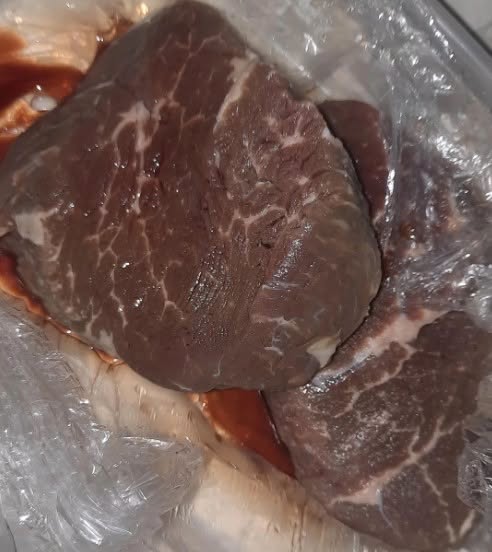
That package of ground beef sitting in your refrigerator may not be as alarming as it first appears. You open it, notice patches of gray, and immediately hesitate. Should you throw it away to be safe, or is it still perfectly fine to cook? It’s a question that leaves many people standing over the trash can, unsure whether they’re protecting their family or simply wasting perfectly good food. The reality is a little more complicated than most people realize. Gray meat isn’t automatically spoiled—but under certain circumstances, it can be a warning sign that shouldn’t be ignored.
One of the biggest misconceptions about fresh beef is that it should always be bright red from the outside to the center. In reality, the color of meat depends largely on its exposure to oxygen. Beef contains a natural protein pigment called **myoglobin**, which changes appearance depending on the amount of oxygen it comes into contact with. When oxygen reaches the surface, the pigment forms **oxymyoglobin**, producing the vivid red color many shoppers associate with freshness. However, the meat packed tightly in the center often receives very little oxygen, allowing it to remain gray or purplish even though it is still perfectly fresh. In those situations, seeing a gray center after opening the package is completely normal and, by itself, does not indicate spoilage.
The situation becomes different when discoloration develops across the outside surface of the meat rather than remaining only in the center. If the exterior begins turning dull gray or brown over large areas, especially after prolonged storage, it may indicate that the meat is aging or beginning to spoil. Color alone still isn’t enough to make that determination, but widespread discoloration combined with other warning signs deserves much closer attention.
The most reliable indicator of spoiled meat is often its smell. Fresh ground beef should have little to no noticeable odor. If you detect a sour, rotten, or otherwise unpleasant smell as soon as the package is opened, the meat should not be eaten regardless of its color. Spoilage bacteria can produce strong odors that clearly signal the product is no longer safe for consumption. Similarly, if the meat develops a sticky, slimy, or unusually tacky texture, it is best to discard it rather than take unnecessary risks.
Proper storage also plays an important role in preserving freshness. Ground beef should be refrigerated promptly and kept at a safe temperature from the time it is purchased until it is cooked. Even meat that appears normal in color can spoil if it has been left unrefrigerated for too long or stored improperly. Paying attention to expiration dates, storage conditions, appearance, smell, and texture together provides a much more accurate picture of freshness than relying on color alone.
When evaluating meat, it helps to use all of your senses rather than focusing on a single characteristic. A gray center inside tightly packed ground beef may simply reflect limited oxygen exposure and is often perfectly normal. On the other hand, widespread surface discoloration accompanied by unpleasant odors, unusual texture, or obvious signs of spoilage should never be ignored. If something seems questionable and you cannot confidently determine whether the meat is safe, the safest choice is to throw it away.
Although no one likes wasting food or money, the cost of replacing a package of ground beef is insignificant compared with the potential consequences of foodborne illness. Trust what you observe, pay attention to multiple warning signs rather than color alone, and remember that when genuine spoilage is suspected, caution is always the better decision. Some packages are perfectly safe to cook despite their appearance, while others are simply not worth the risk and belong in the trash.