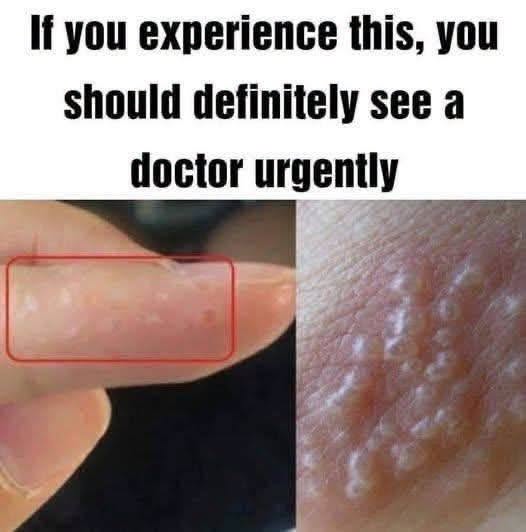
For many people, spring is a season of warmer weather, blooming flowers, and fresh beginnings. But for those living with **dyshidrotic eczema**, the arrival of spring can signal the start of an entirely different experience—one filled with painful flare-ups, relentless itching, and deep blisters that appear seemingly overnight. What should be a season of comfort often becomes a daily struggle, as ordinary activities like washing dishes, typing on a keyboard, shaking hands, or simply walking become unexpectedly painful. While the condition is often described as manageable, those who live with it know that the physical discomfort and emotional frustration can have a significant impact on everyday life.
Dyshidrotic eczema is a chronic skin condition that primarily affects the palms of the hands, fingers, and soles of the feet. It typically begins with small, deep-seated blisters that are intensely itchy and may also cause burning, tingling, or tenderness. As the blisters heal, the skin often becomes dry, cracked, and prone to peeling, making it difficult to perform even the simplest daily tasks. Although the exact cause is not fully understood, researchers believe that genetics, allergies, immune system responses, and environmental factors all contribute to its development. Many people experience recurring episodes throughout the year, while others notice that flare-ups become much more frequent during certain seasons.
Spring is one of the most common times for symptoms to worsen. Changes in temperature and humidity, increased sweating, higher pollen levels, and greater exposure to outdoor allergens may all contribute to triggering outbreaks. Emotional stress, which often accompanies busy work schedules or major life changes, can also play a role in worsening symptoms. In addition, contact with substances such as nickel, cobalt, harsh soaps, cleaning products, detergents, and certain fragrances may irritate sensitive skin and trigger new blisters. Because every individual responds differently, identifying personal triggers is often one of the most important steps in managing the condition effectively.
Beyond the physical symptoms, dyshidrotic eczema can also affect emotional well-being. Visible blisters, peeling skin, and cracked fingertips may cause embarrassment or self-consciousness, especially in social or professional settings where hands are constantly visible. Some people avoid shaking hands or participating in activities because they worry about how others will react to the appearance of their skin. The constant itching, discomfort, and interrupted sleep that often accompany flare-ups can also contribute to stress, creating a frustrating cycle in which stress worsens symptoms, and worsening symptoms increase stress even further.
Although there is currently no permanent cure for dyshidrotic eczema, many treatments can help reduce symptoms and improve quality of life. During flare-ups, dermatologists often prescribe topical corticosteroid creams or ointments to reduce inflammation and relieve itching. In more severe cases, additional treatments such as prescription oral medications, light therapy (phototherapy), or other anti-inflammatory therapies may be recommended. Cool compresses can provide temporary relief from burning and itching, while fragrance-free moisturizers help restore the skin’s protective barrier and reduce dryness after blisters begin healing. Some individuals also benefit from antihistamines, particularly if itching interferes with sleep.
Daily skin care plays an essential role in preventing future flare-ups. Experts often recommend using gentle, fragrance-free cleansers instead of harsh soaps, applying moisturizer several times each day, and wearing protective gloves when washing dishes, cleaning, or handling chemicals. Cotton gloves beneath rubber gloves may help reduce irritation during prolonged wet work. It is also important to avoid scratching or intentionally popping blisters, as this can increase the risk of infection and slow the healing process. Learning to recognize and avoid individual triggers—whether they involve certain metals, foods, stress, or environmental conditions—can significantly reduce the frequency and severity of outbreaks over time.
Living with dyshidrotic eczema requires patience, consistency, and ongoing care, but many people successfully manage their symptoms and continue enjoying active, fulfilling lives. While flare-ups may never disappear completely, developing a personalized treatment plan with the guidance of a healthcare professional can make a meaningful difference. Through proper skin protection, regular moisturizing, appropriate medical treatment, and careful attention to personal triggers, it is often possible to reduce discomfort and regain confidence even during the most challenging seasons. Although the condition can be frustrating, effective management allows many individuals to keep symptoms under control and continue participating in the activities they enjoy.