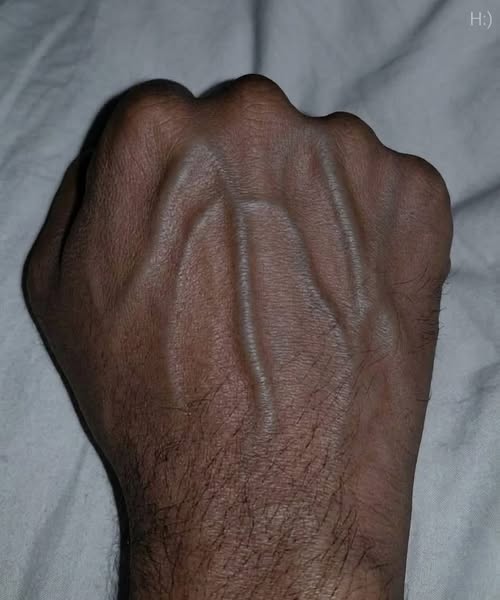
Those blue lines suddenly seem impossible to ignore. One day they blend quietly beneath the skin, and the next they appear darker, thicker, and more noticeable than ever before. You catch a glimpse of them while getting dressed, stepping out of the shower, or looking down at your hands, and for a moment an unsettling thought crosses your mind: has something changed inside my body? The veins seem more prominent, more visible, almost as if they are trying to communicate something that words cannot.
For many people, the sudden appearance of visible veins can be alarming. It is natural to wonder whether they signal a hidden health problem or an early warning sign of something more serious. In reality, visible veins are often a normal part of how the human body works and changes over time. In many cases, they reflect perfectly healthy processes rather than disease.
One of the most common reasons veins become more noticeable is a decrease in body fat. Fat beneath the skin acts like a cushion that partially conceals blood vessels. As people lose weight or become leaner through exercise and healthy lifestyle changes, veins that were always present may simply become easier to see. Athletes and physically active individuals frequently notice this effect, especially in their arms, hands, legs, and feet.
Muscle development can have a similar impact. As muscles grow and become more defined, they push veins closer to the surface of the skin. Increased blood flow associated with regular exercise can also make veins appear larger and more prominent. For many active individuals, visible veins are actually a sign of healthy circulation and physical conditioning rather than a cause for concern.
Aging is another major factor. As people get older, the skin naturally becomes thinner and loses some of its elasticity. The protective layer of collagen and fat beneath the skin gradually decreases, making underlying structures more visible. Veins that were hidden for decades may suddenly become noticeable simply because the skin covering them has changed. This is especially common on the hands, arms, and legs.
Temperature can also play a surprising role. Hot weather, warm baths, saunas, and even a hot shower can cause blood vessels to expand temporarily. As circulation increases to help regulate body temperature, veins may appear larger and more visible than usual. Once the body cools down, they often return to their normal appearance.
Genetics can influence vein visibility as well. Some people naturally have thinner skin, lighter complexions, or vein patterns that sit closer to the surface. In these cases, prominent veins may simply be part of their natural anatomy and have nothing to do with illness or disease.
However, while visible veins are often harmless, there are situations where they deserve closer attention. The appearance of veins alone is usually not the most important factor. What matters more is whether other symptoms accompany the change.
Pain is one warning sign that should not be ignored. If a vein becomes tender, painful, or sensitive to touch, it may indicate inflammation or another underlying issue. Swelling around a vein can also suggest that circulation is being affected in some way.
Changes in color deserve attention as well. Skin that becomes red, purple, unusually pale, or discolored around a vein may indicate irritation, inflammation, or impaired blood flow. Similarly, veins that feel hard, rope-like, or develop noticeable lumps should be evaluated by a healthcare professional.
The body often provides additional clues when circulation is not functioning properly. Cold hands or feet, numbness, tingling sensations, unexplained swelling, slow-healing wounds, or a persistent feeling of heaviness in the legs may signal that blood flow is being affected. Varicose veins, chronic venous insufficiency, blood clots, and other vascular conditions can sometimes present with these symptoms.
Particularly concerning is a sudden and dramatic change. If a vein becomes swollen overnight, if one leg or arm swells significantly, or if symptoms are accompanied by chest pain or shortness of breath, immediate medical attention is essential. These situations may indicate serious conditions that require prompt evaluation and treatment.
The key is to pay attention not only to what you see but also to how you feel. Healthy veins that become more visible due to weight loss, exercise, aging, or temperature changes rarely cause discomfort or other symptoms. In contrast, veins associated with medical problems often come with additional warning signs that affect the surrounding skin, circulation, or overall well-being.
Ultimately, visible veins are often nothing more than a reminder of the remarkable network working beneath the skin every second of every day. They transport blood, deliver oxygen, and help keep the body functioning properly. Most of the time, seeing them more clearly is simply a reflection of normal changes in the body rather than a sign of danger.
Still, your instincts matter. If your veins look different and your body feels different, it is always worth seeking professional advice. A healthcare provider can determine whether the changes are harmless or whether further evaluation is needed. Peace of mind is valuable, and when it comes to your health, asking questions is always better than ignoring them.
In the end, the appearance of visible veins is not usually something to fear. It is simply another reminder that the body is constantly changing, adapting, and revealing clues about itself. The important thing is learning which changes are normal—and recognizing when your body may be asking for a closer look.