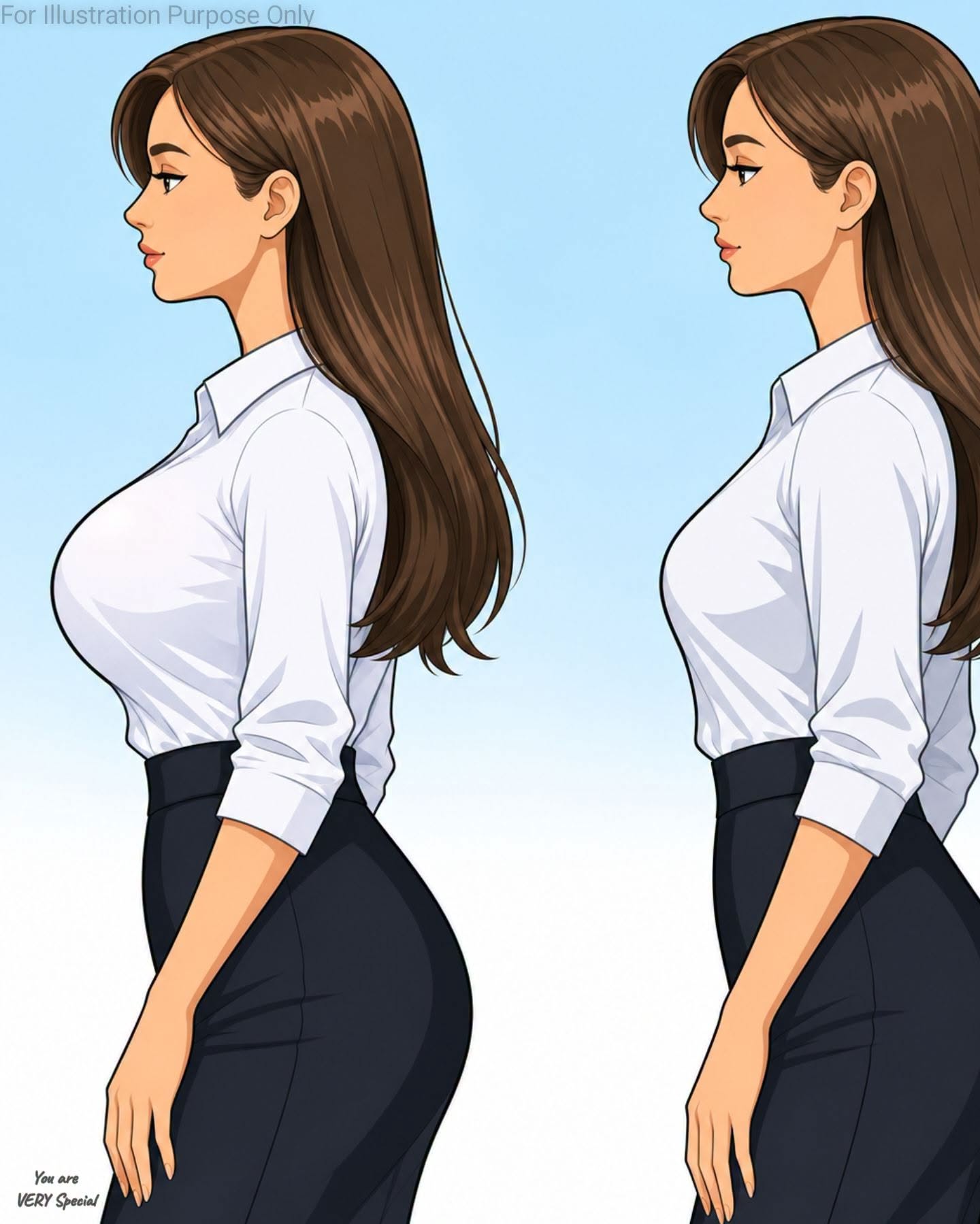
The Cruel Myth About Breast Size That Has Made Too Many Women Question Their Worth
For years, women have been surrounded by messages suggesting that breast size determines beauty, femininity, confidence, and even overall health. These expectations have caused many women to compare themselves with others, question their appearance, and feel insecure about something that is often simply a natural part of their bodies. But behind these deeply rooted beliefs lies a much more important truth: breast size is influenced by several biological factors, and it does not determine a woman’s worth, fertility, or identity.
Understanding the science behind breast size can help women separate medical facts from harmful stereotypes. Every body develops differently, and natural variations should not be treated as flaws. What matters most is understanding your own body, recognizing meaningful changes, and making informed decisions about your health without allowing unrealistic beauty standards to dictate how you feel about yourself.
What Actually Determines Breast Size?
Breast size is influenced by a combination of genetics, hormones, body fat, and different stages of life. Just as people naturally vary in height, body shape, and skin tone, breasts also differ in size, shape, and composition. These differences are normal and do not automatically indicate a health problem.
Genetics plays an important role in determining breast development. Hormones, particularly estrogen and progesterone, also influence breast tissue throughout puberty and adulthood. Changes in hormone levels can affect breast fullness, sensitivity, and appearance, meaning that breasts may not look or feel exactly the same throughout a woman’s life.
Body composition is another factor. Breasts contain both fatty tissue and glandular tissue, which is involved in milk production. The proportion of these tissues varies from person to person, helping explain why two women with similar body weights may have noticeably different breast sizes.
Life experiences can also bring changes. Puberty initiates breast development, while pregnancy and breastfeeding can affect their volume and structure. Menopause may lead to changes in breast density and composition, and fluctuations in body weight can alter breast fullness because fatty tissue contributes to breast size.
These changes are part of the body’s natural development. They do not mean that a woman is becoming less feminine, less attractive, or less healthy.
Does Breast Size Reveal Anything About a Woman’s Health?
One of the most persistent misconceptions is that breast size alone can reveal whether a woman is healthy. In reality, breast size is not a reliable standalone measure of overall health.
Women with smaller breasts can be perfectly healthy, just as women with larger breasts can be. Breast size does not independently determine fertility, reproductive ability, or a woman’s capacity to become pregnant. It also cannot tell someone whether their hormone levels are normal.
Larger breasts can, however, contribute to certain physical difficulties for some women. Their weight may place additional strain on the back, neck, and shoulders, potentially contributing to discomfort or posture-related problems. Some women may also experience skin irritation beneath the breasts, particularly in warm or humid conditions.
At the same time, smaller breasts are not automatically a sign of hormonal problems or inadequate development. If breast size changes unexpectedly or is accompanied by other symptoms, a healthcare professional can help determine whether further evaluation is necessary.
Researchers have also explored possible associations between breast characteristics and certain metabolic conditions. However, these relationships can be influenced by factors such as overall body fat, age, and other aspects of health. Breast size alone cannot establish a diagnosis or predict an individual’s medical future.
The important distinction is that breast size is one physical characteristic, not a complete picture of a person’s health.
The Emotional Impact of Unrealistic Beauty Standards
The pressure surrounding breast size goes beyond physical appearance. For many women, comparisons with celebrities, social media personalities, and digitally altered images can create unrealistic expectations about what a woman’s body should look like.
These messages may lead women to believe that their bodies need to meet a particular standard to be considered attractive or desirable. Over time, such beliefs can affect confidence, relationships, and emotional well-being.
Some women feel pressure to change their appearance, while others become uncomfortable wearing certain clothes or participating in situations where they fear being judged. These experiences can be particularly difficult when beauty standards are reinforced by comments from partners, friends, family members, or strangers.
Yet there is no single breast size that defines femininity. Beauty does not depend on a measurement, and a woman’s identity cannot be reduced to one aspect of her appearance.
Learning to recognize the difference between personal preferences and social pressure can be an important step toward a healthier relationship with the body. Women deserve to feel comfortable in their own skin without believing that natural differences make them less worthy of love, respect, or confidence.
Can Diet and Herbal Products Change Breast Size?
The internet is filled with products and home remedies claiming to increase breast size, improve firmness, or balance hormones naturally. These claims can be appealing, particularly to women who feel dissatisfied with their appearance. However, many such products lack strong scientific evidence demonstrating that they produce the promised results.
Breast tissue responds to hormones and changes in body composition, but there is no reliable food or herbal remedy proven to selectively increase breast size in a predictable way.
Certain herbal supplements marketed for hormone balance may also interact with medications or cause unwanted effects. The word “natural” does not automatically mean that a product is safe or effective. Women considering supplements should discuss them with a qualified healthcare professional, especially if they take medication or have an existing medical condition.
Balanced nutrition, regular physical activity, adequate sleep, and attention to emotional health can support overall well-being. However, these habits should not be presented as guaranteed ways to increase or decrease breast size.
The goal should be to support the body rather than chase promises that may create further insecurity or expose someone to unnecessary risks.
When Should Breast Changes Be Checked by a Doctor?
Although differences in breast size are usually normal, being familiar with your own body can help you recognize changes that deserve medical attention.
It is important to seek advice from a healthcare professional if you notice a new lump or swelling, unexpected nipple discharge, a newly inverted nipple, changes in the skin, or an unexplained alteration in the shape or size of one breast. Persistent pain or other unusual changes should also be discussed with a clinician.
These symptoms do not automatically mean that something serious is wrong. Many breast changes have noncancerous causes, but an appropriate medical assessment can help identify the reason and determine whether treatment or further testing is needed.
Routine breast screening should follow the recommendations appropriate for your age, personal risk factors, and local healthcare guidelines. Knowing what is normal for your body and seeking advice when something changes are more useful approaches to breast health than judging health by size alone.
Learning to Feel Comfortable in Your Own Body
Caring for your body involves more than monitoring physical symptoms or following health recommendations. It also means paying attention to the way you speak to yourself and the expectations you place on your appearance.
Instead of comparing your body with someone else’s, it can help to recognize that each person’s genetics, hormones, and life experiences are different. Clothing, social media images, and cultural beauty standards often emphasize a narrow range of appearances, but real human bodies are far more diverse.
Confidence does not require loving every aspect of your appearance every day. Sometimes, it begins with accepting that your body does not need to meet an external standard to deserve care and respect.
Women should also feel free to make personal choices about their appearance without shame or pressure. Whether someone chooses to embrace their natural shape, seek medical advice about discomfort, or explore cosmetic options, the decision should be informed and based on their own needs rather than fear of judgment.
Ultimately, breast size is only one small part of a much larger picture. It does not determine a woman’s value, define her femininity, or reveal everything about her health.
The most meaningful approach is to replace myths with reliable information, treat natural differences with respect, and recognize when genuine medical concerns deserve attention. Every woman deserves to understand her body without being made to feel that something perfectly natural is a personal failing.
A measurement cannot define a woman’s worth. Health is about understanding and caring for the body, while confidence grows when women are no longer expected to measure their value against someone else’s appearance.