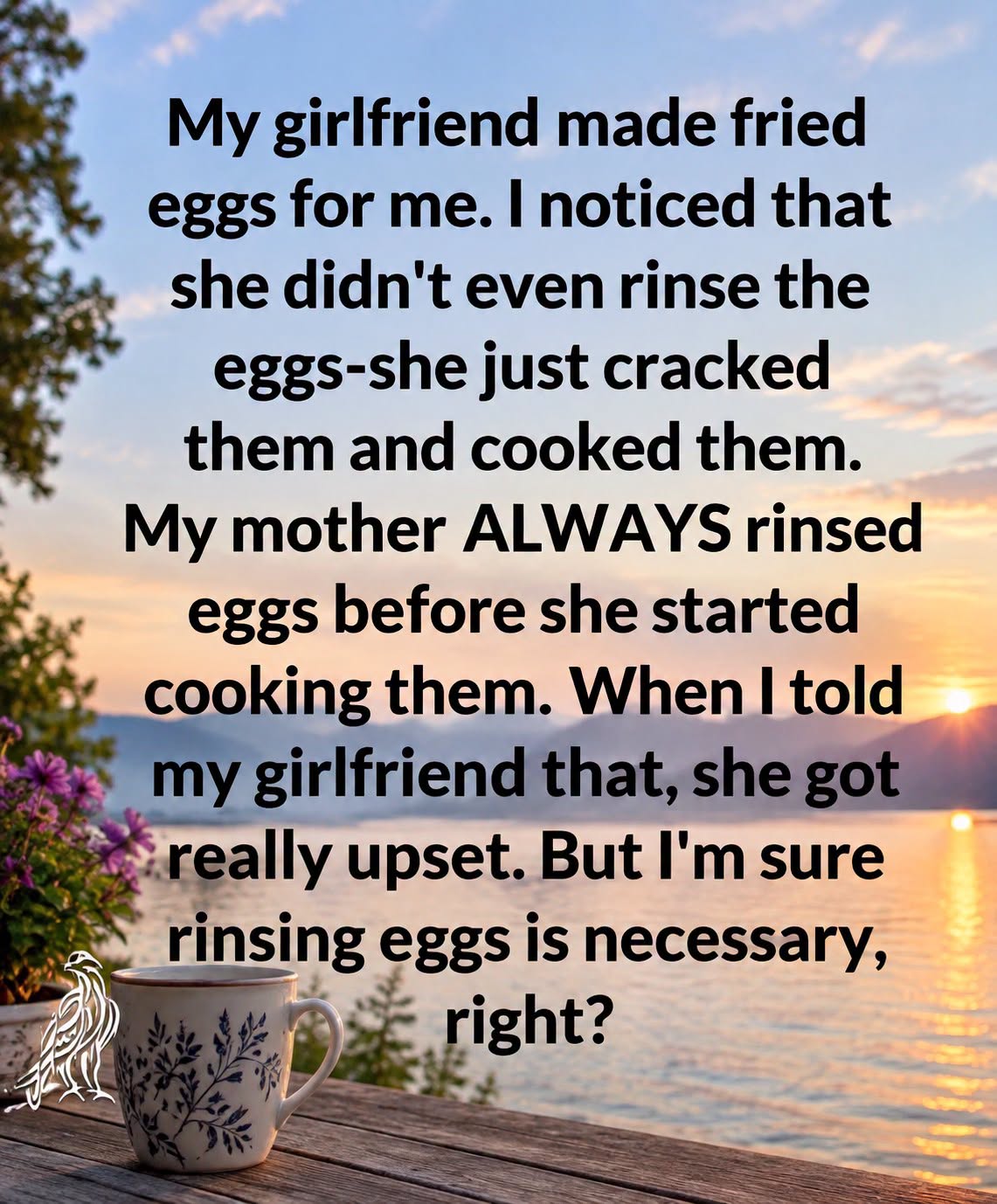
We bring more than memories into a marriage. We bring entire histories with us—assumptions about how meals should taste, how rooms should look, how responsibilities should be divided, and what caring for someone is supposed to mean. Many of those expectations were formed long before we met our partners, often through the homes where we grew up and the people who taught us what love looked like.
Those familiar patterns can feel comforting to one partner while leaving the other feeling judged or inadequate. A certain meal may represent comfort and family tradition to one person, while another may simply see it as a different way of preparing dinner. A particular cleaning routine may feel like basic responsibility to one partner and unnecessary pressure to the other.
The disagreement may appear to be about something small, but the wound underneath is often about appreciation.
A casual comparison with a parent can carry no cruel intention. Someone might say, “My mother always made it this way,” without realizing how those words sound to the person who has just spent time and effort trying to make something special. What was intended as an observation can instead feel like a judgment: What you did wasn’t good enough.
That is where ordinary disagreements can become emotionally complicated.
The person who made the meal may not actually be asking for praise or perfection. They may simply want their effort to be noticed. Likewise, the partner making the comparison may not be trying to criticize at all. They may be reaching for something familiar without realizing that familiarity can sometimes sound like rejection.
Repair begins when both people stop defending a method long enough to understand its meaning.
“Thank you for making breakfast” can come before a discussion about how the eggs were prepared. “That comparison hurt me” can open a conversation without turning it into an accusation. These small sentences create room for both people to explain what they were feeling rather than arguing about who was technically right.
That distinction matters because marriage is rarely improved by proving who had the better method.
The goal is not to erase one person’s upbringing or force the other to abandon theirs. Neither partner has to pretend that their family traditions never mattered. Instead, they need room to build something that belongs to both of them.
A marriage creates a new household with its own habits, rituals, preferences, and language. Some traditions may be carried forward. Others may be changed. Still others may disappear entirely because they no longer fit the life two people are building together.
Curiosity can help with that process.
Instead of assuming, “This is how it should be,” a partner can ask, “Why is this important to you?” That question can reveal that a seemingly insignificant preference is connected to childhood memories, feelings of security, or a desire to feel cared for.
Apologies matter too. Not every disagreement requires one person to be completely wrong, but recognizing that a comment caused pain can be an act of love. Saying, “I didn’t mean it that way, but I understand why it hurt,” can be far more healing than insisting on the original intention.
And appreciation should not be reserved for extraordinary gestures.
Sometimes it is a thank-you for making coffee. Sometimes it is noticing that someone cleaned the kitchen after a long day. Sometimes it is recognizing the effort behind a meal even when the recipe isn’t exactly what you would have chosen.
Those small acknowledgments gradually change the emotional atmosphere of a home.
With curiosity, apologies, patience, and repeated acts of recognition, inherited expectations can become shared decisions. The couple begins to replace “my family did it this way” with “what works for us?”
That shift may seem small, but it represents something profound.
Home stops being a test that either partner has to pass. It becomes a place they are allowed to shape together.
Marriage does not require two people to arrive with identical histories. It requires them to make space for those histories while deciding, together, what comes next.
The most meaningful traditions may eventually be the ones they create themselves—not because either person was required to meet an inherited standard, but because they found a way of caring for each other that feels genuinely theirs.