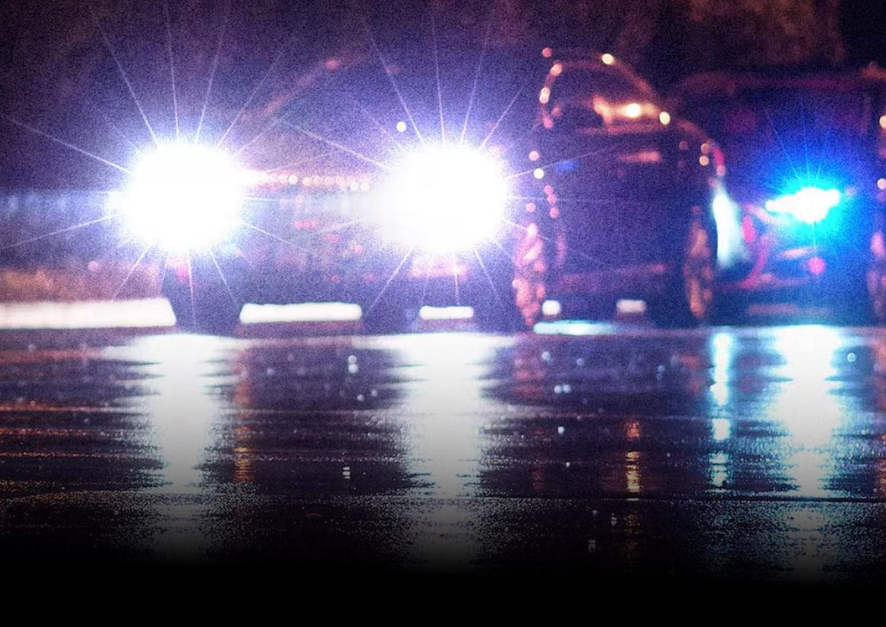
The glare hits you like a punch to the senses. One moment, the road stretches calmly ahead; the next, a blinding beam erupts from an oncoming car, and your vision contracts as though someone has slammed a shutter over your eyes. For a split second, the familiar asphalt, lane markings, and roadside reflectors dissolve into a diffuse white haze. Your hands tighten instinctively on the steering wheel, knuckles whitening, your pulse jumping, and a creeping doubt settles in your mind: is it just fatigue catching up with you, is it an unwashed windshield, or have headlights simply become too bright for the human eye to handle? This small but intensely disorienting moment is one that millions of drivers confront every night, whether they are commuting home after a long day, returning from a late-night shift, or cruising along quiet country roads under the stars. What most drivers fail to realize is that the real cause of this blinding effect is not mysterious—it is hiding in plain sight, woven into the intersection of modern automotive technology, aging vehicles, and tiny, overlooked adjustments that can make the difference between a safe drive and a moment of dangerous hesitation.
Modern headlights, particularly LEDs, were designed with safety and efficiency in mind. They are engineered to illuminate the road farther and more evenly than their halogen predecessors. In theory, this should make night driving safer. Yet in practice, the results can be disorienting. LED beams are whiter, colder in color temperature, and far more concentrated than the warm, diffuse glow of older halogens. When this concentrated light hits the human eye—especially an eye already fatigued from long hours of driving, insufficient sleep, or staring at screens—the result is instant discomfort and temporary vision overload. Rain, fog, or the reflection from wet pavement can amplify the problem, scattering the light and creating halos that obscure lane lines, road signs, and pedestrians.
The way headlights are aimed also matters immensely. Beam direction, angle, and height are rarely uniform across vehicles, and SUVs or lifted trucks often sit higher than standard sedans. This means their headlights frequently shine directly into the eye line of other drivers, causing temporary visual saturation and that instinctive, heart-stopping hesitation at the wheel. Even brand-new cars, with technologically advanced lighting systems, are not immune. Poorly aligned lights from minor suspension shifts, improperly loaded trunks, or manufacturing tolerances can all exacerbate the problem, turning a seemingly small issue into a moment of genuine danger.
Fortunately, this overwhelming glare does not need to be accepted as the new norm of night driving. There are concrete, simple actions that can dramatically reduce its impact. Regularly checking headlight alignment, both front and rear, ensures that beams hit the road at the proper angle rather than directly into oncoming drivers’ eyes. Adjusting beams when the vehicle is fully loaded prevents unintentional vertical misalignment. Keeping the windshield, both inside and out, impeccably clean reduces light scattering, which can make blinding headlights even worse. And subtle changes in driving habits—such as focusing slightly to the right of approaching lights rather than looking straight into them, maintaining safe following distances, and reducing speed when visibility is compromised—can give your eyes the precious extra moments needed to respond safely.
Technology is also evolving to meet this challenge. Many newer vehicles are equipped with adaptive headlights that adjust their intensity, angle, and spread automatically in response to traffic, road curves, and ambient light levels. Some systems even detect oncoming vehicles and dim or shift the beam to prevent dazzling others, while still illuminating the edges of the road clearly for the driver. These advancements promise a future where night driving is no longer an exercise in cautious guesswork but a smoother, calmer, and safer experience. Over time, as LED and laser headlight technology becomes the standard and as more vehicles are equipped with adaptive systems, the once-dreaded moment of sudden glare will become increasingly rare.
Ultimately, the challenge of blinding headlights is a reminder of how human perception interacts with technology. The tools meant to improve safety can sometimes produce unintended consequences if small details are overlooked. Awareness, maintenance, and smarter driving techniques turn the night from a hostile environment into one where drivers can feel in control. By understanding the mechanics behind the glare, taking proactive steps to protect our eyes, and embracing emerging automotive technology, we can navigate the dark safely, reduce stress, and ensure that the road ahead—no matter the hour—is not just visible but manageable.
Night driving does not have to be a battle against light. With proper preparation, small behavioral adjustments, and a nod to the smarter technologies emerging in modern vehicles, it can be an experience of clarity, confidence, and control. The glare may still strike occasionally, but instead of panic, we gain the calm knowledge that a safe response is always possible, keeping ourselves and everyone else on the road a little bit safer, mile after mile.