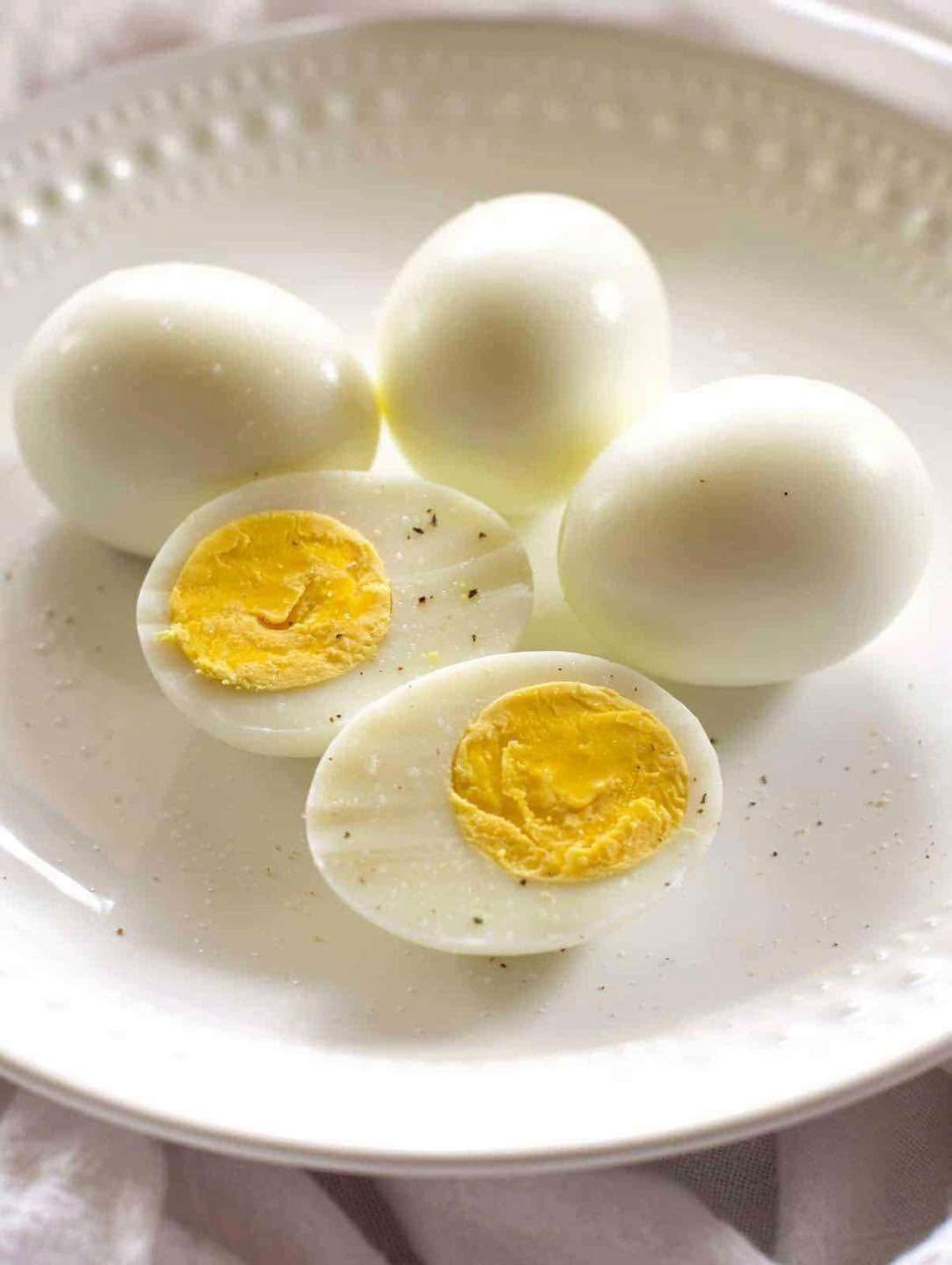
Hard-Boiled Eggs, Reconsidered: The Simple Kitchen Staple That Deserves a Second Look
Hard-boiled eggs have long been one of the most reliable foods in the kitchen. They’re affordable, easy to prepare, convenient to carry, and versatile enough to fit into breakfast, lunch, or a quick afternoon snack. Yet despite their simplicity, eggs are often overlooked or prepared without much thought.
It’s time to reconsider this everyday favorite.
From their impressive nutritional profile to the small details that determine whether the yolk is creamy or chalky, hard-boiled eggs offer more than many people realize. With the right cooking method, a little attention to timing, and a few creative serving ideas, this humble ingredient can become one of the most useful foods in your weekly routine.
Why Hard-Boiled Eggs Deserve More Attention
One of the biggest advantages of hard-boiled eggs is their nutritional value.
Eggs provide high-quality protein, which helps maintain muscles and supports the body’s normal growth and repair processes. They also contain important nutrients, including vitamin B12, selenium, riboflavin, and choline. The yolk supplies additional nutrients, including vitamins and compounds involved in normal brain and eye function.
Their combination of protein and fat can also make eggs a satisfying food, particularly when paired with whole-grain bread, vegetables, or fruit.
Another advantage is convenience. Unlike meals that require cooking immediately before eating, hard-boiled eggs can be prepared ahead of time and stored in the refrigerator. That makes them useful for busy mornings, packed lunches, and quick meals when there isn’t time to prepare something elaborate.
Of course, eggs aren’t a complete meal on their own. Pairing them with fiber-rich vegetables, whole grains, or fruit can help create a more balanced plate.
The Secret to Getting the Texture Right
Not all hard-boiled eggs turn out the same.
Some have tender whites and creamy yolks, while others develop rubbery whites, dry centers, or an unattractive gray-green ring around the yolk.
The difference often comes down to cooking time and temperature.
When eggs are exposed to heat for too long, chemical reactions between sulfur compounds in the whites and iron in the yolks can create a greenish ring around the center. Although this may look unappealing, it is generally harmless.
The best approach is to cook the eggs until the whites and yolks are firm, then cool them promptly to stop the cooking process.
A simple method for consistently good eggs
Place the eggs in a saucepan in a single layer.
Add enough water to cover them by about an inch.
Bring the water to a boil.
Once boiling, cover the pan, remove it from the heat, and let the eggs stand for approximately 10–12 minutes, adjusting for egg size and your preferred texture.
Transfer the eggs to a bowl of ice water for about 5–10 minutes.
Peel when ready to eat, or refrigerate them in their shells.
Cooking results can vary depending on egg size, starting temperature, altitude, and the saucepan used, so a little experimentation may help you find your preferred method.
Are Hard-Boiled Eggs a Healthy Choice?
For most healthy adults, eggs can be part of a balanced diet.
Their protein content makes them useful for people who want convenient, nutrient-dense foods without complicated preparation. They can also help make a light meal more satisfying when combined with vegetables or whole grains.
However, nutrition is rarely about a single food in isolation.
A person’s overall eating pattern, health history, and individual dietary needs matter more than whether one ingredient is labeled healthy or unhealthy. People who have been advised to manage their cholesterol intake or follow a particular medical diet should follow guidance from their healthcare professional.
The way eggs are served matters, too. A boiled egg with vegetables and whole-grain toast creates a different meal from eggs served alongside large quantities of processed meat and high-sodium foods.
The egg itself is only one part of the picture.
The Easiest Way to Make Meal Preparation Simpler
Hard-boiled eggs are particularly useful when prepared in advance.
Cooking several eggs at once means there’s a ready-to-eat protein source available whenever hunger strikes. They can be sliced over salads, added to sandwiches, served with avocado, or combined with chopped vegetables for a quick meal.
Here are a few easy ways to enjoy them:
For breakfast: Serve with whole-grain toast, tomatoes, and fruit.
For lunch: Slice over a green salad with chickpeas and a simple dressing.
For a snack: Pair an egg with carrots, cucumber, or an apple.
For sandwiches: Mash with a little yogurt or mayonnaise, mustard, and herbs.
For a quick dinner: Add sliced eggs to a grain bowl with roasted vegetables.
Small changes in seasoning can also make a big difference. Black pepper, paprika, fresh dill, chives, or a squeeze of lemon can add flavor without requiring complicated recipes.
How to Store Hard-Boiled Eggs Safely
Convenience is only useful when food is stored properly.
According to standard food-safety guidance, hard-boiled eggs should be refrigerated within two hours of cooking, or within one hour if the surrounding temperature is above 90°F (32°C). Refrigerated hard-boiled eggs should generally be eaten within one week.
Keeping the shells intact until serving time can help protect the eggs and preserve their quality. Store them in a clean, covered container in the refrigerator rather than leaving them on the counter.
If eggs have been left at room temperature for too long, it’s safer to discard them rather than assume they are still suitable to eat.
Why Peeling Can Be So Frustrating
Few kitchen annoyances are as familiar as an egg that refuses to peel cleanly.
Sometimes the shell comes away easily. Other times, pieces of egg white stick to the shell, leaving a rough, damaged surface.
Egg freshness can influence how easily an egg peels. Very fresh eggs are often harder to peel after boiling, while eggs that have been refrigerated for a little longer may be easier to handle.
Cooling the eggs promptly in ice water can also help make peeling more manageable. Gently cracking the shell all over and peeling under a little running water may help loosen stubborn pieces.
There is no method that guarantees a perfect result every time, but a consistent cooking and cooling routine can improve your chances.
The Bottom Line: Simple Food, Real Benefits
Hard-boiled eggs may not look impressive, but their usefulness lies in their simplicity.
They provide protein and several essential nutrients, require little preparation, and can be incorporated into countless meals. They’re also easy to portion and convenient for people who want to make everyday eating a little less complicated.
The key is to cook them properly, store them safely, and combine them with other nutritious foods.
Sometimes, the most useful ingredients aren’t the newest or most fashionable ones. They’re the familiar staples that quietly make everyday life easier.
Hard-boiled eggs may be an ordinary kitchen staple, but with the right preparation and a little creativity, they can become a practical, satisfying part of a balanced diet.