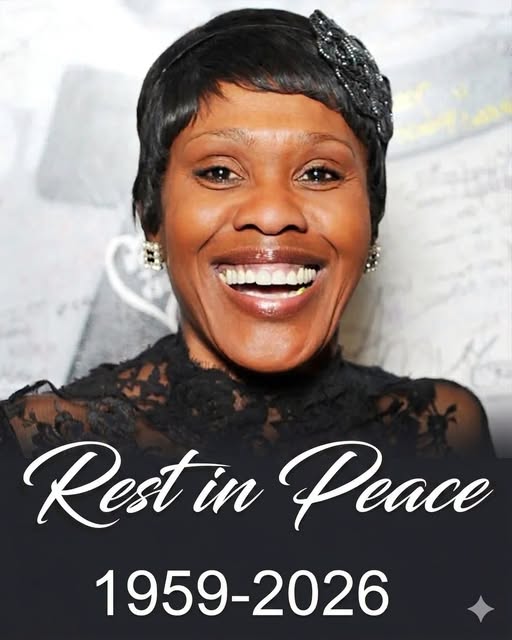
The world of daytime television and the broader performing arts community is pausing in quiet reflection following the passing of Dee Freeman at the age of 66. For many, she was a familiar presence on screen and stage, but her story extended far beyond performance. She built her life on discipline, creativity, and an unshakable resilience that shaped everything she touched. Her passing, after a courageous battle with illness, leaves a deep absence—but it also draws long-overdue attention to a life defined not by fame, but by purpose. She never chased attention for its own sake; instead, she committed herself to meaningful work and the quiet goal of leaving every space better than she found it.
To understand her strength, you have to look at where she began. Long before stepping onto a stage or appearing on television, Freeman served in the United States Marine Corps. That experience didn’t just shape her—it forged her. The discipline, accountability, and mental endurance demanded by military life became permanent parts of her identity. Those who later worked alongside her often remarked that she carried that same Marine precision into rehearsals and productions. She showed up prepared, focused, and deeply committed—not just to her own role, but to the success of everyone around her. She didn’t simply work in an ensemble; she elevated it.
After completing her service, Freeman transitioned into acting—a different kind of battlefield that required vulnerability instead of armor. She approached it with the same intensity and intention. Her connection to projects like The Young and the Restless helped establish her as a respected and reliable performer. In an industry often driven by surface impressions, she stood out for her authenticity. Directors and co-stars valued her not just for talent, but for presence—for the grounded, human truth she brought into every role. She didn’t just perform characters; she understood them, giving each one weight and purpose.
As her career evolved, so did her ability to adapt—not only to the changing entertainment landscape, but to the personal challenges life placed in her path. Her greatest test came with a serious health diagnosis, one that could have easily forced her into retreat. But Freeman didn’t step away—she shifted direction. Even as physical demands made performing more difficult, her need to create remained intact. She transformed her one-woman show into written work, preserving her voice, her humor, and her reflections in a new form. It was a quiet but powerful act of defiance against limitation.
In many ways, this final chapter became her most meaningful expression. It revealed a truth she had lived by all along: creativity doesn’t disappear under pressure—it adapts. She refused to let illness define the boundaries of her life. Instead, she used it as a lens to better understand her journey and share that understanding with others. Her writing became more than storytelling; it became guidance for anyone navigating hardship, a reminder that even when the body struggles, the spirit can remain unbroken.
Her legacy cannot be measured by credits alone. It lives in the people she worked with, the friends who leaned on her strength, and the family who watched her face every challenge with quiet determination. She successfully bridged two worlds that rarely intersect—the military and the arts—and proved they are not opposites. Discipline and creativity, in her life, worked together seamlessly, each strengthening the other.
As news of her passing spreads, tributes continue to arrive from colleagues, fans, and aspiring performers who saw in her a model of consistency and integrity. Many remember not grand gestures, but small, steady acts—her reliability, her calm authority, her refusal to compromise her standards. She showed that excellence doesn’t need volume. It needs commitment.
Her absence will be deeply felt, but her work remains. The characters she brought to life, the stories she told, and the words she left behind continue to speak in her place. Dee Freeman understood something many spend a lifetime chasing—that a meaningful life isn’t defined by recognition, but by impact.
As those closest to her gather to honor her memory, they do so knowing she lived fully and with intention. Her journey—from Marine to performer to storyteller—was marked by strength, grace, and unwavering purpose. And while her voice may no longer be heard in the same way, the standard she set—and the light she carried—will continue to guide those who follow.