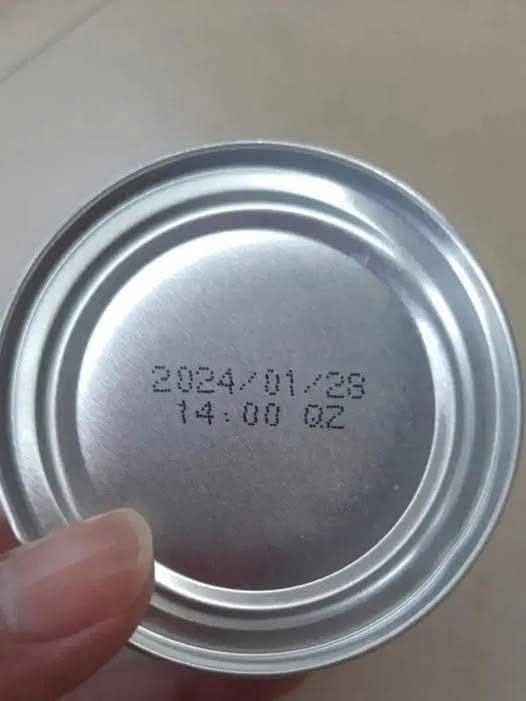
You’ve probably been throwing food away for years without ever questioning it. Those small printed dates on packaging—so easy to overlook, yet impossible to ignore—have quietly shaped how you see what’s safe and what isn’t. They sit there like warnings, creating a sense of urgency, almost pressure, as if ignoring them would mean taking a risk you shouldn’t take. Over time, it becomes automatic: you open the fridge, check the date, hesitate for a moment, and then toss something out, just to be safe. It feels responsible, careful—even necessary.
But what if that reaction has been built on misunderstanding?
Those dates often feel like strict deadlines, like precise markers of when something suddenly becomes unsafe. In reality, they’re usually not about safety in the way most people assume. They’re about quality—about when a product is expected to be at its best in terms of flavor, texture, and consistency. They were created to help with inventory, distribution, and consumer expectations, not to function as exact indicators of when food becomes harmful.
That moment in front of the fridge—the pause before deciding whether to keep or throw something away—is less about real danger and more about uncertainty. It’s about not knowing whether to trust what you see and experience, or what’s printed on the package. And in that uncertainty, most people choose caution, even when it leads to unnecessary waste.
The truth is, food doesn’t suddenly become unsafe the moment a date passes. It changes gradually. Milk may develop a sour smell. Bread may show visible signs of mold. Vegetables may lose firmness or change color. These are signals—natural, observable indicators that something is no longer good to consume. They’ve always existed, long before expiration labels became common.
Your senses—smell, sight, texture, and even taste in some cases—are your most reliable tools for evaluating food. They provide real-time information, based on what’s actually happening, rather than a fixed estimate printed days or weeks earlier. When you rely on them, you’re responding to the present condition of the food, not just a projected timeline.
Relearning how to trust those signals can feel unfamiliar at first. After years of depending on printed dates, it’s easy to doubt your own judgment. But with a bit of attention and experience, that confidence starts to return. You begin to recognize patterns—how certain foods behave over time, what changes are normal, and what changes indicate a problem.
Understanding the difference between labels also helps. A “Best Before” date typically refers to quality, not safety. It suggests when the product is expected to taste its best, but it doesn’t mean it becomes unsafe immediately after. Many items, especially unopened or properly stored ones, remain perfectly usable beyond that point.
Storage plays a key role as well. Keeping food at the right temperature, sealing it properly, and minimizing exposure to air and moisture can significantly extend how long it stays fresh. Simple habits—like organizing your fridge, rotating older items forward, and paying attention to how things are stored—can make a noticeable difference.
When you combine these practical steps with your own senses, something shifts. The kitchen stops feeling like a place filled with hidden risks and strict rules. Instead, it becomes a space where you can make informed decisions, based on observation rather than assumption.
This shift isn’t dramatic, but it is meaningful. It reduces waste, saves money, and removes a layer of unnecessary stress from everyday routines. More importantly, it restores a sense of control—an understanding that you can evaluate what’s in front of you without relying entirely on a printed date.
Over time, that hesitation at the fridge becomes less about doubt and more about awareness. You open the door, look at what’s there, and trust your ability to decide.
And in that small, everyday moment, something changes.
You’re no longer reacting—you’re choosing.