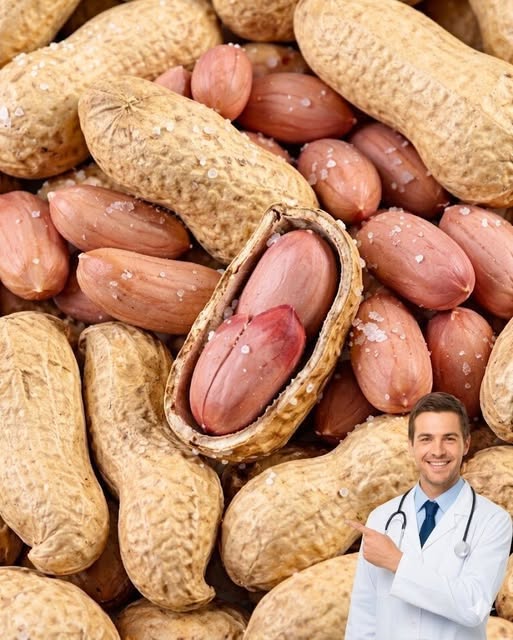
Eating Peanuts Regularly May Affect Your Body in Surprising Ways — Here’s What You Should Know
Peanuts are often treated as a simple snack, but these small legumes contain a surprising combination of protein, healthy fats, fiber, vitamins, and minerals. Whether eaten by the handful, spread over toast as peanut butter, or added to everyday meals, peanuts can offer several benefits when included in a balanced diet.
But what actually happens to your body when you eat peanuts regularly? The answer may surprise you.
1. They Can Help Keep You Fuller for Longer
If you often feel hungry shortly after eating, peanuts may help.
They contain protein, fiber, and unsaturated fats, which work together to make meals and snacks more satisfying. Adding a small handful of peanuts to your daily routine may help you feel full for longer between meals.
However, portion sizes matter because peanuts are relatively high in calories.
2. They May Support Heart Health
One of the most interesting features of peanuts is their fat content.
Although peanuts contain fat, much of it consists of monounsaturated and polyunsaturated fats. Replacing some sources of saturated fat with unsaturated fats can help improve cholesterol levels and support cardiovascular health.
Peanuts also contain nutrients such as magnesium and vitamin E, which contribute to normal bodily functions.
The biggest benefit comes from including peanuts as part of an overall heart-healthy eating pattern, rather than relying on one food alone.
3. They Provide Plant-Based Protein
Peanuts are a convenient source of plant protein, making them useful for people who want to diversify their protein intake.
Protein helps the body maintain and repair muscles and other tissues. It also contributes to the production of enzymes and other substances needed for normal body function.
A small serving of peanuts can complement protein sources such as beans, lentils, eggs, fish, and dairy products.
4. They May Help Support Healthy Blood Sugar Levels
Despite their natural richness, peanuts are relatively low in carbohydrates compared with many popular snack foods.
Their combination of protein, fat, and fiber may help slow digestion and reduce sharp changes in blood sugar when peanuts are eaten as part of a balanced meal.
Some research also links regular nut consumption with better metabolic health. However, peanuts do not replace medication or other treatments for diabetes, and individual responses can vary.
For a simple snack, try pairing a small handful of unsalted peanuts with a piece of fruit.
5. They Contain Nutrients That Support the Brain and Nervous System
Peanuts provide niacin, magnesium, and other nutrients involved in normal nervous system function.
They also contain vitamin E, an antioxidant that helps protect cells from oxidative damage.
These nutrients are important for overall health, but eating peanuts alone cannot guarantee better memory, prevent dementia, or dramatically improve brain performance.
A varied diet, regular physical activity, adequate sleep, and other healthy habits remain important.
6. They Can Contribute to Healthy Digestion
Peanuts contain dietary fiber, which helps support normal bowel movements and digestive function.
Although they are not as fiber-rich as some legumes, whole grains, and vegetables, peanuts can contribute to your daily fiber intake.
If you’re increasing your fiber consumption, do so gradually and drink enough water to help your digestive system adjust.
7. They May Help With Weight Management
It might seem surprising that a calorie-dense food could fit into a weight-management plan, but peanuts can be a satisfying snack.
Their protein, fiber, and fat may help reduce hunger, while some of the energy in whole nuts may not be fully absorbed during digestion.
Nevertheless, peanuts still contain substantial calories. Eating large quantities in addition to your usual meals can make it easier to consume more energy than your body needs.
A practical portion is approximately one small handful, or 28 grams, depending on your individual nutritional needs.
8. The Way You Eat Peanuts Matters
Not all peanut products are identical.
Plain, unsalted peanuts: A good everyday option with minimal added ingredients.
Dry-roasted peanuts: Convenient and flavorful; check the label for added salt or oil.
Peanut butter: Provides protein and healthy fats, but some varieties contain added sugar, salt, or oils.
Honey-roasted or heavily salted peanuts: Fine as occasional treats for many people, but they may contain more added sugar or sodium.
For everyday use, choose products that fit your dietary needs and preferences.
Are There Any Risks to Eating Peanuts Regularly?
Yes. Despite their nutritional benefits, peanuts are not suitable for everyone.
Peanut allergies can cause severe, potentially life-threatening reactions. Anyone with a known peanut allergy should avoid peanuts and follow their healthcare professional’s advice.
Peanuts are also calorie-dense, so portion awareness can be helpful. In addition, peanuts that have been stored improperly or become moldy may be contaminated with aflatoxins, naturally occurring toxins produced by certain molds. Buy peanuts from reliable sources and discard those that look moldy, damaged, or smell unusual.
People who need to limit sodium should also check the labels on salted peanut products.
How Many Peanuts Should You Eat Per Day?
For many adults, a serving of around 28 grams is a reasonable starting point. This is roughly a small handful, although the exact amount depends on the size of the peanuts.
You can enjoy them on their own, add them to oatmeal, sprinkle them over salads, or mix a spoonful of peanut butter into a smoothie.
There is no universal requirement to eat peanuts every day. Their benefits can also be obtained by including other nuts, seeds, legumes, and nutritious foods in your diet.
Final Thoughts
Eating peanuts regularly may help support heart health, provide valuable plant protein, improve satiety, and contribute important nutrients to your diet.
The key is moderation and choosing varieties that suit your health needs. Plain or lightly salted peanuts can be a convenient alternative to many highly processed snacks, but no single food can provide every nutrient your body requires.
Sometimes, a small handful of peanuts can be a nutritious addition to your day. The real secret is making them part of a balanced, varied diet rather than expecting one snack to transform your health.