Don’t Panic—Here’s What to Do If You Find a Lone Star Tick
Finding a tick attached to your skin can be frightening, especially when you discover that it may be a Lone Star tick. But knowing how to identify it, remove it safely, and recognize the warning signs can make a real difference.
Ticks are tiny parasites that feed on the blood of humans and animals. Although many tick bites do not lead to illness, certain species can carry germs that cause disease. The Lone Star tick is one species that has attracted particular attention because of the infections and unusual allergic reactions associated with its bites.
So, what should you do if you find one on your body, your clothing, or even your pet?
The most important thing is to stay calm and take the right steps.
How Can You Recognize a Lone Star Tick?
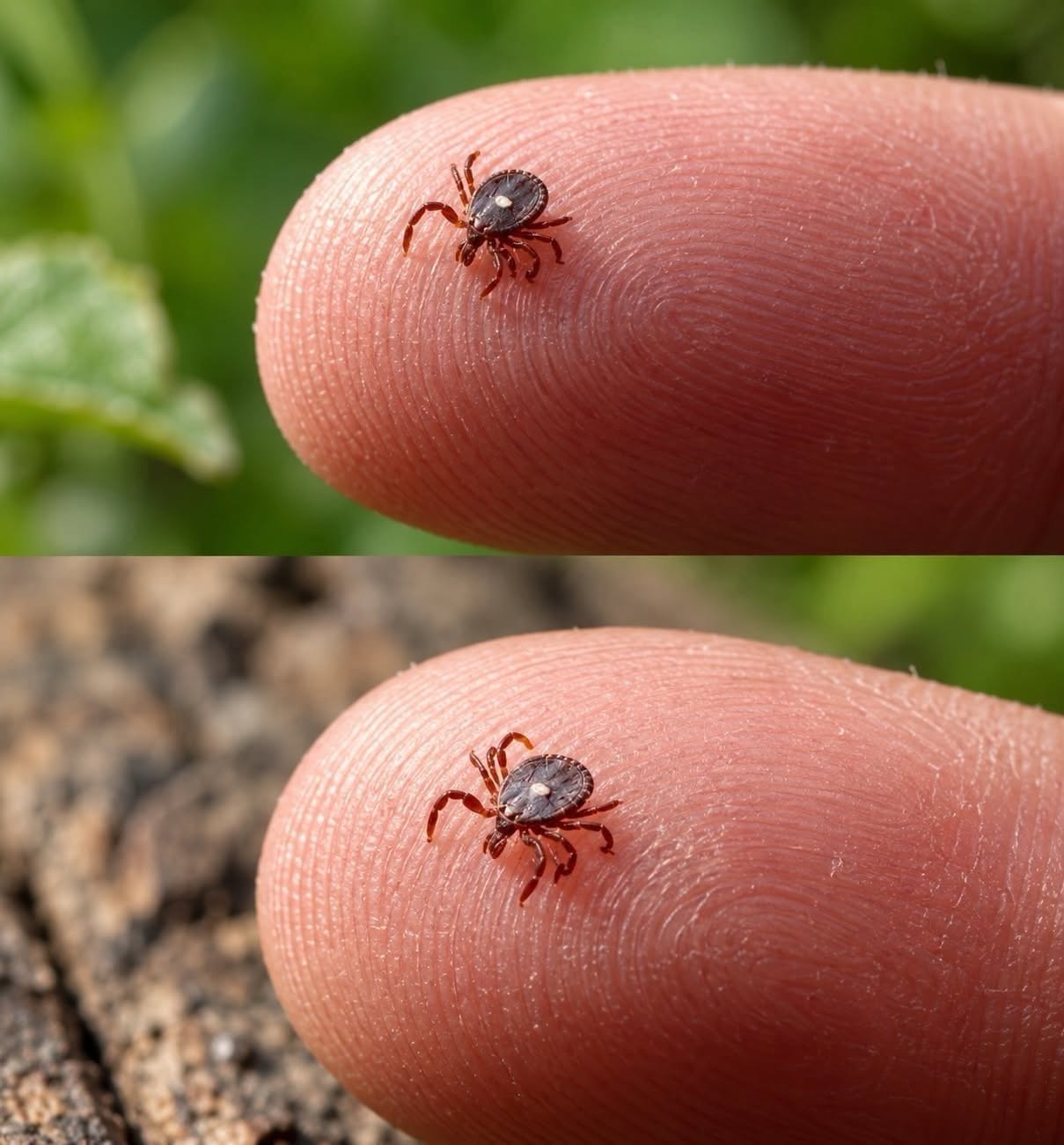
The Lone Star tick (Amblyomma americanum) gets its name from a distinctive marking found on the adult female.
The female typically has a single white or silvery spot on the back of her reddish-brown body. Adult males usually have several lighter markings around the edges of their bodies instead of one prominent central spot.
However, young ticks can be extremely small, and identifying them accurately may be difficult without a close examination.
These ticks are found primarily in the eastern, southern, and midwestern United States. They commonly inhabit wooded areas, tall grass, and dense vegetation, where they can come into contact with people and animals passing by. Their presence varies by region. CDC source
What Should You Do If You Find One Attached to Your Skin?
Do not panic, and do not wait unnecessarily to remove it.
Health experts recommend removing an attached tick as soon as possible. The longer certain ticks remain attached, the greater the potential risk of infection.
Follow these steps:
1. Use fine-tipped tweezers.
Grasp the tick as close to the skin as possible. Avoid squeezing its body, which may make removal more difficult.
2. Pull upward slowly and steadily.
Use firm, even pressure. Do not twist, jerk, or crush the tick while removing it.
3. Clean the bite area.
After removal, wash the area and your hands with soap and water or use rubbing alcohol.
4. Dispose of the tick safely.
Place it in a sealed container, wrap it securely in tape, or use another safe disposal method recommended by health authorities. Do not crush it with your bare fingers.
5. Check the rest of your body.
Finding one tick means you should check carefully for others, especially around the scalp, behind the ears, under the arms, around the waist, and behind the knees.
These steps follow guidance from the U.S. Centers for Disease Control and Prevention (CDC). Read the official removal instructions.
Why Is the Lone Star Tick Different?
One reason this species receives so much attention is its association with several tick-borne illnesses.
Lone Star ticks can transmit pathogens associated with ehrlichiosis, tularemia, and certain other infections. Some people also develop a rash after a bite, including a condition known as Southern tick-associated rash illness (STARI).
Another concern is alpha-gal syndrome, an allergy that can develop after certain tick bites and cause reactions to products containing alpha-gal, a sugar molecule found in most non-primate mammals.
For some affected people, this means that eating beef, pork, lamb, or other mammalian products can trigger an allergic reaction. Reactions vary in severity, and some can be life-threatening.
However, not everyone bitten by a Lone Star tick develops an illness or an allergy. A bite does not automatically mean that you have been infected.
Source: CDC information on Lone Star ticks
What Symptoms Should You Watch For?
After a tick bite, pay attention to changes in how you feel over the following days and weeks.
Possible warning signs include:
Fever or chills
Headache
Unusual tiredness
Muscle or joint pain
A new rash or spreading redness
Nausea or other unexplained symptoms
If you develop a fever, rash, or flu-like symptoms after a tick bite, contact a healthcare professional and explain when and where the bite occurred.
Some tick-borne illnesses can be treated, and early medical evaluation can be important.
Also remember that alpha-gal syndrome can produce a different set of symptoms, including hives, abdominal pain, vomiting, or swelling after exposure to certain foods. These reactions may occur several hours after eating.
Seek emergency medical help immediately if you experience difficulty breathing, swelling of the throat or tongue, faintness, or other signs of a severe allergic reaction.
Should You Try to Kill the Tick Before Removing It?
No. Avoid trying to force a tick to detach by applying petroleum jelly, nail polish, heat, or other substances.
These methods are not recommended and can delay proper removal. The safest approach is to use tweezers and remove the tick promptly.
If the tick’s mouthparts remain in your skin and cannot be removed easily with clean tweezers, leave them alone and allow the skin to heal. Seek medical advice if you are concerned about the wound.
You do not need to wait for a medical appointment before removing an attached tick.
What If You Find a Lone Star Tick on Your Dog?
Pets can bring ticks into the home after spending time outdoors.
Carefully inspect your pet’s coat, ears, neck, and other areas where ticks may attach. If you find an attached tick, remove it safely or contact your veterinarian if you are unsure how to proceed.
Use only tick-prevention products appropriate for your animal, following veterinary guidance and the product label.
After checking your pet, inspect your own clothing and skin as well.
Can You Prevent Future Tick Bites?
Although no method eliminates every risk, a few practical precautions can help reduce exposure.
Wear long sleeves and long trousers when walking through tall grass or wooded areas.
Use an appropriate insect repellent according to its label.
Stay near the center of cleared trails when hiking.
Check your body, clothing, and pets after spending time outdoors.
Shower after returning indoors and inspect your skin carefully.
Follow clothing-treatment instructions if using products designed to repel or kill ticks.
These precautions are particularly useful in areas where Lone Star ticks are established.
The Bottom Line
Discovering a Lone Star tick can be unsettling, but the best response is to act calmly and promptly.
Remove an attached tick correctly, clean the bite area, check for additional ticks, and monitor yourself for symptoms. If you become unwell, tell your healthcare professional about the bite rather than assuming your symptoms are unrelated.
Most importantly, remember that identifying a tick is only one part of assessing risk. Your symptoms, the location of exposure, and the circumstances of the bite all matter.
A small tick may be easy to overlook, but a few minutes of careful checking can help protect you and your family.
Have you ever found a tick on yourself or your pet? Share your experience and help others learn how to stay safe.