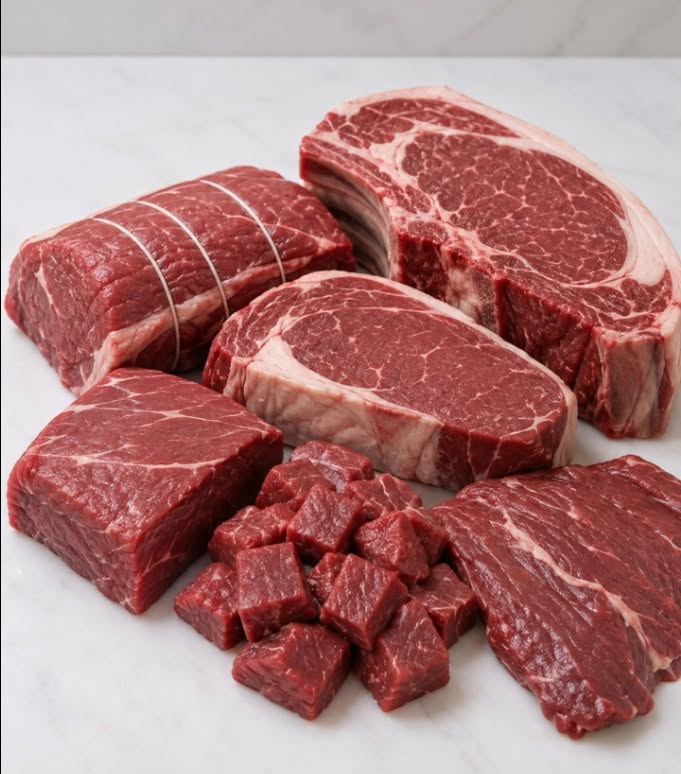
Don’t Get Fooled by Supermarkets: What You Should Know About the Meat You’re Buying
Every time you walk into a supermarket, you expect the meat displayed behind the glass to be fresh, safe, and properly labeled. But how much do you really know about the meat you put into your shopping cart?
From misleading packaging to confusing labels and storage mistakes, there are several things consumers should understand before buying meat. And while alarming headlines often suggest that supermarkets are hiding something sinister, the truth is more nuanced—and knowing what to look for can help you make safer choices.
1. Is the Meat Really Fresh?
One of the biggest misconceptions is that all meat displayed in a supermarket was recently cut or produced.
In reality, meat may have been processed, packaged, transported, and stored before reaching the store. This is normal in modern food supply chains, provided the meat is handled safely and meets applicable regulations.
Look for the use-by date, follow the storage instructions, and check that the packaging is intact. Remember that the color of meat alone cannot reliably tell you whether it is safe to eat.
2. What Does “Previously Frozen” Mean?
Some meat products are frozen during transportation or storage and later sold chilled, depending on local regulations and the product’s labeling requirements.
Freezing is a legitimate way to preserve meat. It does not automatically make meat unsafe or inferior.
However, consumers should read the label carefully, especially if they intend to freeze the product again at home. Follow the manufacturer’s instructions and local food-safety guidance.
3. Are You Buying Meat From Another Country?
Supermarkets frequently source meat from domestic and international suppliers. Imported meat is not automatically dangerous, and locally produced meat is not automatically safer.
What matters is whether the product comes from an approved source, has been handled correctly, and complies with food-safety and traceability requirements.
Check the country-of-origin information where it is provided. If the label is unclear, ask the retailer for clarification.
4. Why Does Some Meat Look Unusually Red?
Bright-red meat can look appealing, but color is affected by several factors, including the meat’s natural pigments, oxygen exposure, packaging atmosphere, and storage conditions.
Some products are packaged using modified-atmosphere technology to help preserve their appearance.
A bright-red color does not guarantee freshness, just as a darker color does not necessarily mean meat is spoiled.
Pay attention to the use-by date, package condition, storage temperature, and any unusual odor or texture after opening.
5. The Biggest Risk May Be How Meat Is Stored
Even meat from a reputable supplier can become unsafe if it is stored or handled improperly.
To reduce your risk:
Keep raw meat refrigerated and follow the package’s temperature instructions.
Place raw meat in a separate bag in your shopping cart to prevent juices from contaminating other foods.
Store raw meat in a sealed container on the lowest refrigerator shelf.
Keep raw meat separate from cooked foods and ready-to-eat products.
Cook meat to a safe internal temperature, using a food thermometer when possible.
Wash your hands and clean utensils and surfaces after handling raw meat.
Never rely on smell or appearance alone to determine whether meat is safe.
6. Five Things to Check Before Buying Meat
Before placing meat in your cart, take a moment to inspect:
The use-by date: Choose a product that can be stored and consumed within the stated period.
The packaging: Avoid packages that are leaking, damaged, or swollen unexpectedly.
The storage conditions: Chilled products should be kept at the appropriate temperature.
The label: Check the product name, origin information, storage instructions, and any relevant freezing or thawing information.
The amount you need: Buying smaller quantities can help reduce waste and make it easier to store meat safely.
The Bottom Line
You do not need to assume that supermarkets are selling dangerous or secretly substituted meat to protect yourself as a consumer.
The best approach is to understand food labels, choose reputable retailers, maintain the cold chain, and handle meat safely at home.
If you suspect mislabeling, contamination, or fraudulent origin claims, keep the packaging and receipt and report your concern to the appropriate food-safety authority.
The real secret to safer meat shopping is not fear—it is knowing what to check, understanding what the labels mean, and refusing to ignore genuine warning signs.
Note: This article provides general consumer food-safety information. Specific labeling and origin requirements vary by country. No claim of supermarket fraud can be established without evidence about a particular product or retailer.