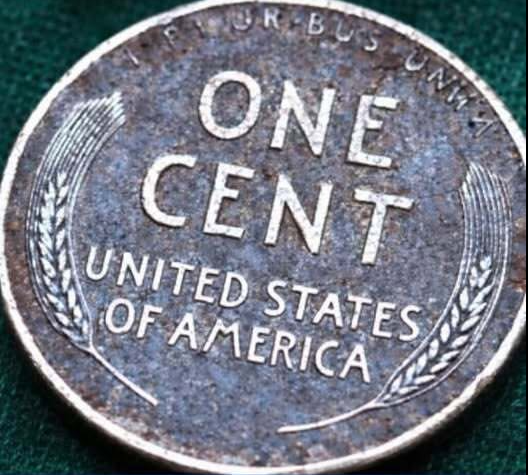
Most people have absolutely no idea what might be hiding in the bottom of their coin jar. A penny that looks dirty, worn, and completely ordinary could actually be worth thousands—or even hundreds of thousands—of dollars. It sounds unbelievable, but throughout history, tiny minting errors, unusual production decisions, wartime shortages, and rare design variations have transformed a handful of everyday coins into some of the most sought-after collectibles in the world. The surprising part is that many of these coins look almost identical to the millions of ordinary pennies that pass through people’s hands every year. Unless you know exactly what details to examine, you could unknowingly spend a small fortune on a cup of coffee or leave it forgotten in a drawer for decades.
For many families, old jars of coins sit untouched on shelves, tucked away in closets, or buried in boxes in the attic. They seem like nothing more than spare change collected over the years. Yet each coin inside tells a story. Dates, mint marks, materials, and subtle design features reveal pieces of history that most people never notice. What appears to be a simple penny may actually be a small artifact from a particular moment in time, reflecting economic challenges, technological changes, or even global conflicts that shaped its creation.
Every coin carries clues for those who know how to read them. The year stamped on the front can reveal when it was produced. Tiny letters beneath the date indicate which mint created it. The metal composition often reflects the circumstances of the era in which it was struck. During times of prosperity, the materials may remain consistent for decades. During periods of crisis, however, governments often make rapid adjustments to conserve valuable resources. Those changes sometimes create rare coins that later become highly desirable among collectors.
One of the most famous examples emerged during World War II. As the war intensified, copper became critically important for military equipment, ammunition, communication systems, and countless other wartime needs. To conserve supplies, the United States Mint changed the composition of the one-cent coin in 1943. Instead of the familiar bronze alloy, pennies were produced using zinc-coated steel. These steel cents looked noticeably different, carrying a silver-gray appearance rather than the traditional copper color Americans were accustomed to seeing.
The transition seemed straightforward, but something unexpected happened during production. A small number of bronze planchets—blank coin discs left over from the previous year—remained inside minting equipment. These leftover blanks accidentally passed through the presses and were stamped with 1943 dates despite being made from the older bronze composition. The result was one of the most famous minting errors in American history: the 1943 bronze penny.
Only a tiny number of these coins are known to exist today. Their rarity has made them legendary among collectors. Over the years, authenticated examples have sold for astonishing amounts at auctions, sometimes reaching hundreds of thousands of dollars. Stories of people discovering one in inherited collections or forgotten coin jars continue to fuel excitement among hobbyists and treasure hunters alike.
Yet the fascination extends far beyond a single penny. Many other coins owe their value to unusual circumstances. Some feature doubled lettering caused by errors during die production. Others were struck on the wrong metal blank or display small imperfections that occurred during manufacturing. What might look like a mistake to the average observer often becomes a prized characteristic to a collector. In the world of numismatics, rarity and authenticity can transform an ordinary-looking coin into an extraordinary find.
These stories help explain why so many people enjoy searching through old collections. There is a sense of possibility attached to every handful of coins. The idea that something valuable could be hiding in plain sight creates a unique kind of excitement. Unlike many collectibles, coins frequently circulate unnoticed for years before someone recognizes their significance. A rare piece can pass through dozens of hands before finally being identified.
At the same time, experienced collectors understand the importance of caution. For every genuine rarity, there are countless ordinary coins that merely resemble valuable examples. Misidentifications are common. Some individuals intentionally alter coins to imitate rare varieties, while others mistake common discoloration, damage, or wear for valuable minting errors. Excitement alone is never enough to establish value.
That is why serious collectors rely heavily on professional grading and authentication services. Experts carefully examine a coin’s weight, dimensions, metal composition, surface characteristics, and microscopic details. Specialized equipment helps determine whether a coin is genuine, altered, repaired, or counterfeit. Professional certification not only confirms authenticity but also provides an objective assessment of condition, which plays a major role in determining market value.
Condition can make an enormous difference. Two identical rare coins may be worth dramatically different amounts depending on wear, scratches, discoloration, or preservation. A coin that spent decades protected in a collection often commands a much higher price than one that circulated heavily through everyday commerce. Collectors evaluate these details carefully because condition helps tell the story of a coin’s journey through time.
Even for those who never discover a life-changing rarity, coin collecting offers rewards that go far beyond money. Each coin serves as a small connection to the past. A penny minted during wartime, a nickel produced during economic hardship, or a quarter commemorating a historical event can spark curiosity about the people and circumstances that shaped its creation. What begins as a search for value often evolves into an appreciation for history itself.
Examining old coins encourages people to slow down and notice details that are usually overlooked. Dates become more meaningful. Mint marks become clues. Tiny differences in design reveal entire chapters of technological progress and national history. Suddenly, spare change becomes more than currency—it becomes a collection of stories preserved in metal.
So before dismissing that dusty jar of pennies as worthless clutter, take a closer look. Hidden among the ordinary coins may be pieces of history that survived decades unnoticed. Whether or not you uncover a rare treasure, the process of exploring those coins can reveal something equally valuable: a deeper understanding of the past and a reminder that extraordinary stories often hide inside the most ordinary objects. Every coin carries a journey, and sometimes that journey is worth far more than its face value.