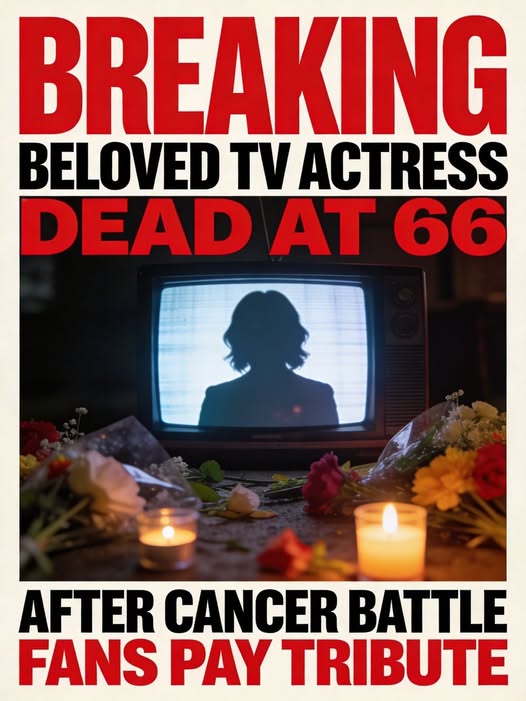
The news hit like a punch to the chest. A beloved television face was suddenly gone, just months after viewers had last welcomed her into their living rooms. Shock quickly turned to grief as details emerged: stage 4 lung cancer, a peaceful passing, and a career that touched far more people than many ever realized. Tributes began pouring in from former co-stars, directors, casting agents, colleagues, and fans who suddenly understood just how much her presence had meant. She was a Marine, an actress, a colleague, and a fighter to the end. In the echo of her final scenes, one question lingers, raw and unresolved: how do you say goodbye to someone you never really knew you were saying goodbye to?
Dee Freeman’s life traced a rare arc, moving from the discipline and sacrifice of the United States Marine Corps into the unpredictable and demanding world of Hollywood. Her journey was not built around constant headlines or celebrity spectacle. Instead, she quietly established herself as a working actress whose professionalism and consistency allowed her to become part of some of television’s most recognizable productions. Her military background had given her a sense of discipline and determination, qualities that remained visible throughout her professional life.
On shows such as *The Young and the Restless*, *ER*, and *NCIS: Los Angeles*, Freeman rarely seemed interested in chasing the spotlight for its own sake. She brought something more understated to the screen: a grounded presence that made scenes feel believable. Audiences might not always have known her name when an episode ended, but her performances contributed to the larger stories they were watching. She was the kind of performer whose work could quietly become familiar without demanding attention.
Behind the camera, colleagues remembered her for qualities that went far beyond her acting credits. She was described as meticulous about her work, generous toward younger performers, and deeply professional on set. Rather than treating experience as something to keep for herself, she was willing to share what she knew with people still finding their footing in the industry. That kind of influence rarely appears in headlines, but it can shape careers and friendships for years.
Freeman was also fiercely private about her personal life, particularly as she faced illness. While viewers continued seeing her work, few understood the battle happening away from the cameras. She did not turn her diagnosis into a public spectacle, choosing instead to protect her privacy and remain focused on the people closest to her. That decision meant that when news of her condition and death finally became public, many fans were confronted with the realization that they had been watching someone perform while she was privately facing an extraordinary challenge.
Her representatives said she died peacefully on April 2, 2026, at the age of 66, after battling stage 4 lung cancer. The peaceful nature of her passing offered some comfort, but it could not soften the shock for those who had only recently seen her on screen. For viewers, the timing made the loss feel especially immediate. Only months earlier, her face had appeared in their homes as part of a familiar television story. Now those same scenes carried an entirely different meaning.
The emotional aftershocks have been anything but calm. Fans have returned to older episodes, watching her performances with new eyes and recognizing details they may once have overlooked. A familiar voice or expression can suddenly become deeply emotional when you know the person behind it is gone. Television has a strange way of preserving people, allowing their performances to remain accessible long after their lives have ended.
Her death also reminds audiences that a performer’s impact is not always measured by the size of their role. Some actors become household names, while others build careers through dozens of smaller appearances that collectively leave a lasting impression. Freeman belonged to the latter kind of performer. She helped create believable worlds, supported the stories of other characters, and brought professionalism to every opportunity she received.
Behind the public grief, however, stands a family experiencing something much more personal. While fans revisit episodes and share memories, those closest to Freeman are grieving the woman they knew away from the cameras. Her family has chosen privacy rather than spectacle, asking for the space to mourn without turning their loss into another public event. That boundary is especially meaningful for someone who had spent much of her life protecting her private world.
Her story therefore cannot be reduced to a list of television credits or the circumstances of her final illness. Before she became a familiar face on television, she was a Marine who served her country. Before audiences recognized her performances, she was a person building a life through discipline, sacrifice, and persistence. And beyond every role she played was a woman whose relationships and experiences mattered far more to the people who loved her than any screen credit ever could.
Dee Freeman leaves behind a legacy built quietly but deeply. Her work remains in the episodes she helped shape, her influence remains in the colleagues she encouraged, and her memory remains with the family and friends who knew her beyond the spotlight. For viewers, her final appearances may now feel bittersweet, but they also offer a chance to appreciate the talent she gave so freely. She may have left the screen, but the work she created—and the people she touched along the way—will continue to remember her.
Sometimes saying goodbye to someone you never truly knew is strange because the connection existed in a different way. You may never have met them, yet their face became familiar, their voice became part of your evenings, and their work became woven into memories you did not realize you were creating. That is the kind of farewell Freeman’s passing has inspired. A Marine, an actress, and a fighter until the end, she leaves behind more than final scenes. She leaves behind a life that mattered, both on camera and far beyond it.