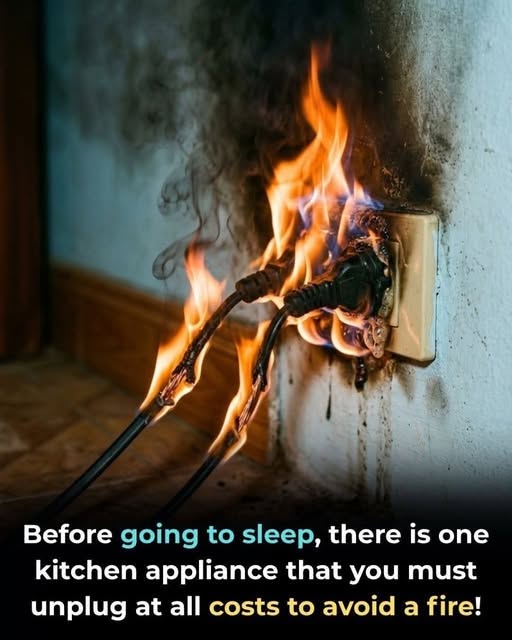
Before Bed, Check This Kitchen Appliance to Help Reduce Fire Risk
Before heading to bed each night, taking a few minutes to check your kitchen appliances can help reduce the risk of a house fire. One appliance that deserves particular attention is the stove, as leaving it on unattended or overlooking a potential malfunction can create a serious safety hazard.
After a long day, it is easy to focus on getting ready for bed and forget to check whether everything in the kitchen has been switched off. However, a quick safety check can help protect your home, your family, and your belongings from preventable accidents.
Why You Should Check Your Stove Before Going to Bed
The stove is one of the most frequently used appliances in the kitchen, but it can also pose a fire risk if left unattended while cooking. Gas stoves may present a danger if there is a gas leak or an issue with the burner, while electric stoves can remain hot long after they have been switched off.
Before going to bed, make sure all stove controls are in the off position. If you use a gas stove, check that the burners are off and follow the manufacturer’s instructions for safely shutting off the gas supply when necessary.
It is also important to keep flammable items away from cooking surfaces. Kitchen towels, paper products, food packaging, and other combustible materials should never be left near hot burners or heating elements.
Even if the stove appears to be off, take a moment to make sure nothing has been accidentally left heating. Never leave food cooking unattended while you sleep.
Other Kitchen Appliances That Deserve Attention
Although the stove is an important appliance to check, it is not the only potential source of fire hazards in your kitchen. Toasters, countertop ovens, air fryers, and other cooking appliances should also be used according to the manufacturer’s safety instructions.
Before going to bed, check that appliances that are not designed to operate continuously have been switched off. Avoid leaving cooking equipment running unattended, and make sure hot appliances have enough space around them to release heat safely.
Pay particular attention to electrical cords and plugs. Frayed wires, damaged insulation, unusually hot outlets, or a burning smell may indicate a problem that needs immediate attention. Stop using a suspect appliance and have it inspected by a qualified professional.
You should also avoid overloading electrical outlets or using damaged extension cords with high-powered kitchen appliances. These precautions can help reduce the risk of overheating and electrical fires.
Small Kitchen Habits That Can Make a Difference
Preventing kitchen fires is not just about switching off appliances. Keeping the cooking area clean and organized can also improve safety.
Grease buildup on stovetops, range hoods, and nearby surfaces can increase the danger of a fire. Regular cleaning helps remove combustible residue and keeps appliances functioning properly.
Make sure dish towels, oven mitts, wooden utensils, and other flammable objects are stored away from burners. If you have been cooking late at night, allow hot cookware to cool in a safe location away from anything that could catch fire.
It is also wise to keep smoke alarms installed and working properly throughout your home, following the manufacturer’s recommendations for testing and maintenance.
Create a Simple Before-Bed Safety Routine
A consistent evening routine can make kitchen safety easier to remember. Before heading to your bedroom, take a moment to complete these checks:
Check the stove: Make sure all burners and controls are switched off.
Inspect cooking appliances: Turn off appliances that are not intended for continuous operation.
Clear the cooking area: Move paper, towels, packaging, and other flammable materials away from heat sources.
Look for warning signs: Pay attention to unusual smells, damaged cables, or electrical outlets that feel unusually hot.
Keep escape routes clear: Make sure kitchen exits and pathways are not blocked by clutter.
If you smell gas, do not operate electrical switches or use an open flame. Leave the area and contact your gas emergency service from a safe location.
A Few Minutes of Prevention Can Help Protect Your Home
Kitchen safety does not require a complicated routine. In many cases, a simple check before bed can help identify potential hazards before they become serious problems.
The most important step is to make sure cooking appliances are safely switched off, flammable materials are kept away from heat sources, and any damaged equipment is addressed promptly.
By making these checks part of your nightly routine, you can take practical steps to reduce fire risks and help keep your household safer. A few minutes of attention before going to sleep can make a meaningful difference in preventing avoidable kitchen accidents.