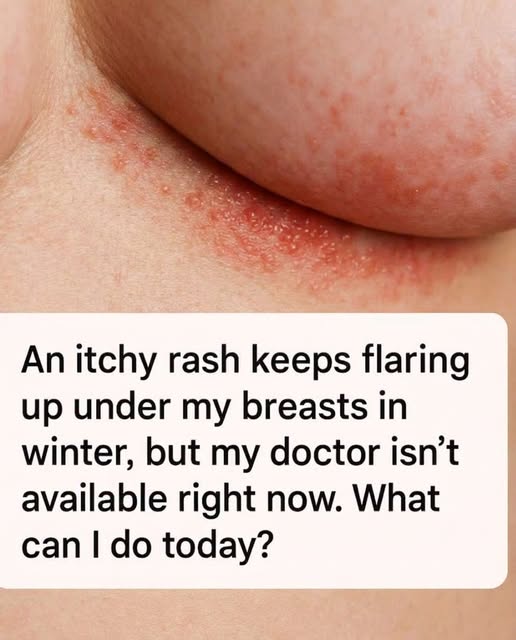
The burning starts quietly.
At first, it may seem like nothing more than a little irritation. A patch of redness hidden beneath your bra. A slight itch you barely notice. A warm, uncomfortable feeling that you assume will disappear on its own.
Then it gets worse.
The itching becomes harder to ignore. The skin starts burning. The redness spreads across the fold beneath your breast, and suddenly getting dressed becomes an exercise in trying not to make things more uncomfortable.
You’re cold.
You’re bundled beneath sweaters and layers.
And somehow, the skin underneath your bra feels like it’s on fire.
You may find yourself alone in the bathroom, lifting your shirt and examining the irritated area in the mirror, wondering what happened.
Is it yeast?
Is it a bacterial infection?
Is it simply irritation?
Could it be something more serious?
Those questions can become frightening very quickly, especially when the symptoms seem to be getting worse every day.
One common cause of this kind of rash is intertrigo, an inflammatory condition that develops in skin folds where warmth, moisture, and friction come together.
The area beneath the breasts can be particularly vulnerable because skin rests against skin, creating a place where sweat and moisture can remain trapped. Clothing and bras can add additional friction, while heavier winter layers can reduce airflow.
And winter can be deceptive.
You may think that because the weather outside is cold, sweating and moisture shouldn’t be a problem.
But indoors, central heating, multiple layers of clothing, and a less breathable bra can create a warm environment directly against the skin.
That combination can irritate the skin and make an existing rash worse.
Once the skin becomes inflamed, yeast or bacteria may also take advantage of the warm, moist environment.
The result can be a rash that is red, itchy, sore, or burning.
Some people notice a musty or unusual odor.
Others may experience tenderness or a raw feeling that becomes especially noticeable when clothing rubs against the affected area.
Recognizing these early signs matters because irritation can become much harder to manage once the skin barrier has been damaged.
The first step is usually simple, gentle care.
Clean the area with mild, fragrance-free soap and lukewarm water. Avoid aggressively scrubbing the rash, even if you feel tempted to remove sweat or buildup. Scrubbing can create additional irritation and make already-inflamed skin even more vulnerable.
After washing, drying is just as important.
Pat the area gently with a clean towel rather than rubbing it. Make sure the skin fold is completely dry before getting dressed.
If moisture tends to remain trapped, cool air from a fan or a hair dryer set to a cool, non-heated setting can help dry the area without adding heat.
The goal is simple:
Less moisture.
Less friction.
More airflow.
A protective barrier may also help reduce irritation. Products containing zinc oxide or plain petrolatum can create a thin protective layer between irritated skin and moisture or friction.
The key is to avoid applying thick layers of multiple products at once, especially when you don’t know what caused the rash.
If yeast is contributing to the problem, an over-the-counter antifungal cream may be appropriate. However, not every rash beneath the breast is caused by yeast, and using the wrong treatment can sometimes make the situation more confusing.
That is why persistent or uncertain rashes deserve professional evaluation.
There are also small everyday changes that can make a significant difference.
Choose bras made from breathable materials when possible.
Avoid clothing that traps excessive heat and moisture.
Change out of sweaty clothing rather than allowing damp fabric to remain against irritated skin.
Use fragrance-free detergents if your skin is sensitive.
And avoid harsh perfumes, deodorants, or other fragranced products directly on the affected area.
Powders are sometimes used to reduce moisture, but they should be chosen carefully. Talc-free options may be preferable, and powders should not be used as a substitute for proper cleaning and drying.
Most importantly, don’t keep experimenting with products if the rash is clearly getting worse.
A rash that becomes severely painful, spreads rapidly, develops pus or drainage, or is accompanied by fever needs medical attention.
Those symptoms can indicate a more significant infection or another condition that requires treatment beyond home care.
You should also seek professional advice when a rash keeps returning or refuses to improve despite careful skin care.
Persistent symptoms deserve an explanation.
And sometimes what looks like a simple irritation can actually be another type of dermatitis, infection, or inflammatory skin condition that requires a different treatment.
There is no reason to feel embarrassed about asking someone to examine the area.
Healthcare professionals see these problems regularly.
What may feel awkward or deeply personal to you is simply another medical concern to them.
The important thing is not to suffer quietly because you’re uncomfortable discussing it.
Under-breast rashes are common, and they are not a sign that you’ve done something wrong.
Your skin can react to friction.
It can react to moisture.
It can react to heat, clothing, products, or microorganisms that normally live on the body.
The colder months don’t make you immune to these problems.
Sometimes they can actually create the perfect combination of layers, warmth, sweat, and reduced airflow that allows irritation to continue.
So if you find yourself standing in the bathroom, lifting your shirt and wondering whether the burning will ever stop, don’t immediately assume the worst.
Start with gentle care.
Keep the area clean and completely dry.
Reduce friction and trapped moisture.
Pay attention to whether the rash is improving or getting worse.
And if the symptoms are severe, spreading, infected-looking, persistent, or simply don’t feel right, let a healthcare professional take a look.
You don’t have to diagnose your own skin.
You just have to listen when it tells you something needs attention.
Because relief often begins with something surprisingly simple: recognizing the problem, caring for the irritated skin gently, and knowing when it’s time to stop guessing and get an answer.