Add This Simple Trick to Your Laundry Routine for Cleaner Clothes
Doing laundry may seem like one of the simplest household chores, but getting clothes truly clean is not always as easy as it looks. Even after a full wash cycle, some garments can retain unpleasant odors, stubborn stains, or detergent residue. The good news? A few small changes to your laundry routine may help your clothes come out fresher, cleaner, and better cared for.
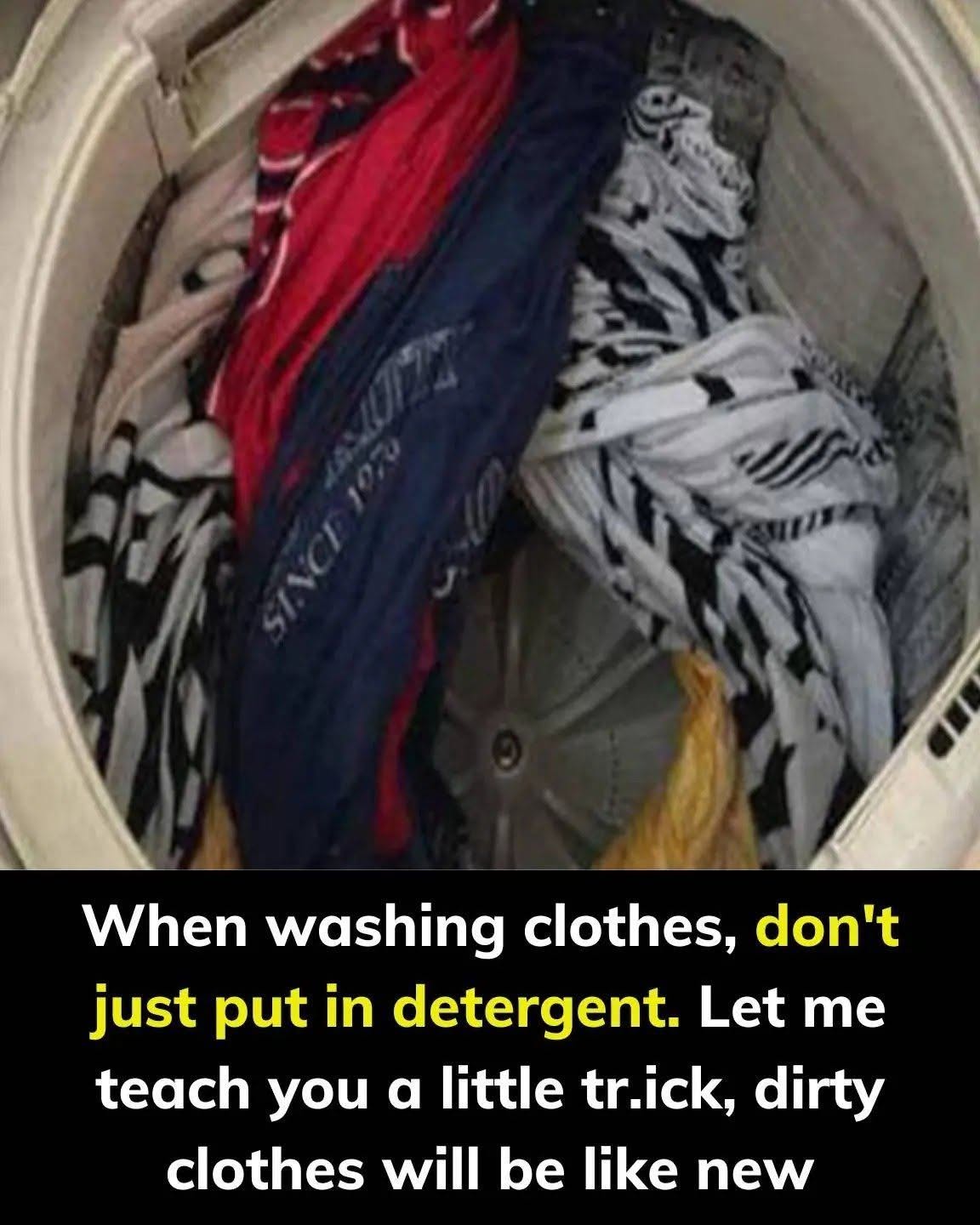
One simple trick worth trying is to avoid overloading your washing machine and give your clothes enough room to move freely during the wash cycle. This small adjustment can make a noticeable difference in how effectively water and detergent circulate through your laundry.
Why This Simple Trick Matters
When a washing machine is packed too tightly, clothes may not move freely enough for water and detergent to reach every part of the load. This can leave some garments less clean than expected, especially when dealing with heavily soiled items.
Leaving enough space allows the machine to agitate or tumble the clothes more effectively. It can also help reduce the amount of detergent residue trapped between tightly packed fabrics.
For best results, follow the loading guidance in your washing machine’s manual. Different machines and wash cycles have different capacity recommendations.
Use the Right Amount of Detergent
Many people assume that adding extra detergent will make their clothes cleaner. However, using more than the recommended amount can sometimes leave residue on fabrics and inside the machine.
The ideal amount depends on the detergent, the size of the load, the water hardness, and how dirty the clothes are.
Check the product instructions and measure the detergent rather than estimating. If your clothes frequently feel stiff or have a lingering soapy smell after washing, reviewing your detergent dosage may help.
Choose the Right Water Temperature
Water temperature can also affect your laundry results.
Cold water: Often works well for everyday clothing and many delicate fabrics, while helping reduce energy use and color fading.
Warm water: May be suitable for certain everyday loads, depending on the fabric and detergent.
Hot water: Can be appropriate for some towels, bedding, and heavily soiled items, provided the fabric care label allows it.
Always check clothing labels before choosing a temperature. Modern detergents are often designed to work effectively in cooler water.
Do Not Ignore Your Washing Machine
Even if your clothes are washed regularly, the machine itself needs attention. Detergent residue, moisture, and trapped lint can contribute to unpleasant odors over time.
To keep your washing machine fresh:
Clean the detergent drawer according to the manufacturer’s instructions.
Wipe the door seal and remove visible residue.
Leave the door and detergent drawer open when appropriate to allow the interior to dry.
Clean the filter and run a maintenance cycle as recommended in the manual.
Never mix cleaning products, especially bleach with vinegar or ammonia, because dangerous gases can form.
Treat Stains Before Washing
Another useful habit is to check clothes for stains before placing them in the machine. Treating a stain promptly with a suitable product can improve the chances of removing it.
Avoid rubbing delicate fabrics aggressively, and follow the care label and stain-remover instructions. For stains that remain after washing, check the garment before putting it in the dryer, since heat can make some stains more difficult to remove.
The Small Change That Can Make a Difference
You do not need an expensive detergent or a complicated cleaning routine to improve your laundry results. Starting with a properly sized load, measuring detergent correctly, choosing the right cycle, and keeping your washing machine clean can help clothes come out fresher while protecting your fabrics.
The takeaway is simple: give your clothes enough room to wash properly, and pay attention to the small details that make a difference.
Sometimes, the easiest way to improve your laundry routine is not adding another product—it is making better use of the tools you already have.
This article provides general household advice. Results vary depending on the washing machine, detergent, fabrics, and level of soiling.