During the Victorian era, fashion extended beyond clothing and personal appearance. Accessories often reflected individual preferences, artistic appreciation, and social customs.
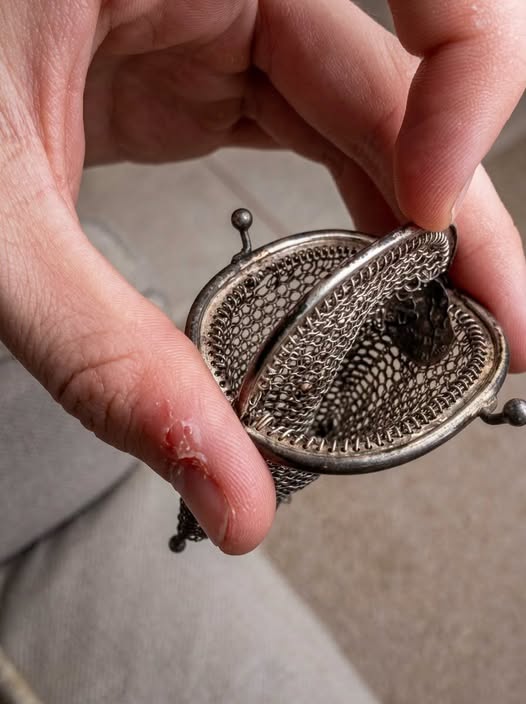
Among the distinctive accessories of this period was the Victorian silver purse, a beautifully crafted item that combined practical functionality with decorative elegance.
These small purses offer an interesting glimpse into nineteenth-century craftsmanship, fashion traditions, and everyday life. Today, surviving examples continue to attract antique collectors, historians, and enthusiasts of decorative arts.
The Artistry Behind Victorian Silver Purses
Victorian silver purses were frequently designed with remarkable attention to detail. Many were made from sterling silver, while others incorporated different metals and decorative materials.
Artisans used various techniques to create distinctive patterns and textures, transforming practical accessories into attractive personal possessions.
Common decorative features included:
-
Detailed floral engravings
-
Embossed ornamental patterns
-
Delicate filigree work
-
Nature-inspired illustrations
-
Gothic and Rococo-inspired designs
Many of these patterns reflected the artistic preferences of the Victorian period, drawing inspiration from flowers, wildlife, architecture, and romantic themes.
The variety of available styles allowed owners to select accessories that complemented their clothing and personal preferences.
Different Styles for Different Occasions
Victorian silver purses were produced in various shapes and sizes, depending on their intended purpose.
Some smaller designs were attached to a chatelaine, a decorative waist accessory featuring chains used to carry small personal or household items.
Larger and more elaborate purses were suitable for formal gatherings and evening occasions.
The clasps frequently featured decorative metalwork, engraved patterns, and occasionally ornamental stones.
These details demonstrated the craftsmanship involved in producing accessories that were both attractive and functional.
Combining Practicality With Decorative Design
Although Victorian silver purses were admired for their appearance, they also served everyday purposes.
Depending on their construction and size, some featured fabric linings made from materials such as silk or velvet.
These interiors provided space for carrying small personal belongings, including coins, folded banknotes, and calling cards.
Silver purses could accompany fashionable clothing during occasions such as:
-
Afternoon social visits
-
Weddings and celebrations
-
Theater performances
-
Formal gatherings
-
Special family occasions
Their compact designs made them convenient accessories while their decorative finishes complemented the clothing styles of the period.
How Accessories Reflected Social Customs
During the Victorian era, clothing and accessories frequently reflected social expectations and economic circumstances.
Materials such as sterling silver were associated with quality craftsmanship and could indicate an owner’s financial means.
An elaborately decorated purse might also demonstrate an appreciation for fashionable designs and skilled metalwork.
However, personal accessories were not exclusively about wealth or social position. They could also reflect individual interests, sentimental connections, and aesthetic preferences.
Victorian silver purses illustrate how practical possessions became part of a broader tradition of personal expression.
Meaningful Gifts and Family Heirlooms
Beyond their practical and decorative purposes, silver purses sometimes held considerable sentimental value.
They could be presented as thoughtful gifts during weddings, birthdays, anniversaries, and other important family milestones.
Because of their craftsmanship and personal significance, many were carefully stored and passed down through generations.
An inherited silver purse could provide a tangible connection to a mother, grandmother, or another family member.
Its decorative patterns, engravings, and signs of use might preserve small details about the person who once owned it.
These personal connections help explain why antique accessories remain meaningful long after their original practical purpose has changed.
Why Victorian Silver Purses Appeal to Modern Collectors
Today, Victorian silver purses are appreciated for their historical significance, decorative qualities, and craftsmanship.
Collectors may examine several characteristics when studying an antique example, including its construction, decorative patterns, condition, and maker’s markings.
Silver hallmarks, when present, may provide useful information about the material, manufacturer, or approximate production date.
However, not every antique silver-colored purse is made from sterling silver. Some examples may be silver-plated or constructed from other metals.
The age, authenticity, condition, and historical background of an individual piece can influence its collectible value.
Professional antique specialists can provide further guidance when identifying or evaluating unfamiliar items.
Preserving Antique Silver Accessories
Proper care can help maintain the appearance and condition of historical silver purses.
Because these accessories may contain delicate metalwork, fabric linings, and decorative components, they should be handled carefully.
Storing them in a clean, dry environment and avoiding unnecessary exposure to moisture can help protect their materials.
Harsh cleaning products and aggressive polishing may damage delicate finishes or remove historically significant surface details.
For particularly old or valuable examples, consulting an experienced antiques specialist or conservator may be appropriate before attempting restoration.
A Window Into Victorian Everyday Life
Historical accessories can reveal interesting information about the societies that produced them.
Victorian silver purses demonstrate how craftsmanship, fashion, and practical needs were often closely connected.
Their decorative details reflect artistic influences of the nineteenth century, while their construction provides insight into the techniques used by skilled artisans.
Even a small personal accessory can help historians and collectors better understand changing fashion preferences, social traditions, and everyday customs.
Final Thoughts
Victorian silver purses remain fascinating examples of historical craftsmanship and decorative design.
Their intricate patterns, practical construction, and sentimental significance illustrate how everyday possessions could become lasting expressions of personal style and family heritage.
More than a century after the Victorian period, surviving examples continue to offer opportunities to appreciate traditional artistry and explore the history behind familiar accessories.
These carefully crafted purses remind us that even the smallest objects can preserve meaningful stories about fashion, creativity, and generations past.