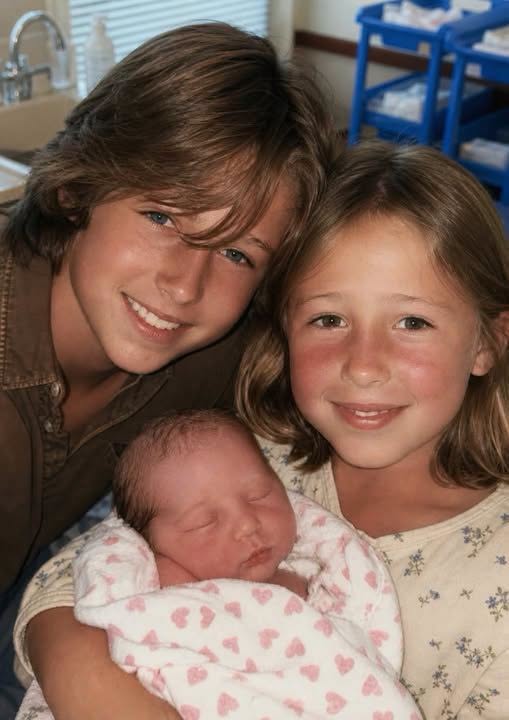
When news emerged that a 12-year-old girl and her 13-year-old boyfriend had become parents in North London, the story quickly spread far beyond their neighborhood. People struggled to understand how two children, barely old enough to navigate their own teenage years, could suddenly find themselves responsible for a newborn baby. Newspapers, television discussions, and conversations across the country turned their situation into a subject of widespread fascination. For many people, the initial reaction was disbelief. Others responded with anger, criticism, and questions about the families involved.
But behind the shocking headline were two very young people whose lives had changed in ways most adults would struggle to comprehend. They were not prepared for the responsibilities of parenthood, and they were certainly not equipped to handle the enormous public attention that followed. While strangers debated their decisions and questioned their futures, the most important questions were often overlooked: Were they safe? Were they receiving medical care? Did they have supportive adults around them? And what would happen to the baby?
The story highlighted a difficult reality about childhood, family support, and the responsibilities society has toward vulnerable young people. Becoming a parent at such an early age is not simply a matter of facing sleepless nights, financial pressure, and everyday childcare. It can involve serious physical, emotional, educational, and social challenges that require immediate attention from qualified professionals.
For a girl who is only 12 years old, pregnancy presents particularly serious medical concerns. Her body is still developing, and pregnancy and childbirth can carry increased risks for very young adolescents. Proper prenatal care, regular medical examinations, nutritional support, and close monitoring are essential. Healthcare professionals must also consider her emotional well-being and ensure that she understands what is happening to her in language appropriate for her age.
The emotional impact can be equally significant. A child who is still learning to understand her own feelings may suddenly face decisions and responsibilities normally associated with adulthood. Fear, confusion, embarrassment, and uncertainty can become overwhelming, especially when the situation attracts national attention. Rather than being surrounded by criticism, she needs compassionate adults who can listen, explain her options, and protect her dignity.
The 13-year-old boy also faces an extraordinary situation. At an age when most children are focused on school, friendships, hobbies, and discovering their interests, he is confronted with responsibilities that require maturity and emotional development he may not yet possess. He needs guidance, education, and appropriate support to understand his role in the baby’s life.
It is important to remember that children do not suddenly become adults because they become parents. Their emotional development continues, their educational needs remain important, and they still require protection from the pressures of situations they may not fully understand.
The baby, meanwhile, is completely dependent on the adults responsible for providing care. Newborns need consistent feeding, medical attention, a safe sleeping environment, hygiene, and constant supervision. These responsibilities can be demanding even for experienced adults. For two children, managing them without substantial help would be extremely difficult.
This is where families and professional support services become essential. Parents and relatives may be able to provide practical assistance, but they should not be expected to manage every aspect of the situation alone. Social workers, healthcare professionals, safeguarding specialists, and educational institutions can work together to create a support plan that considers the needs of the baby and both young parents.
Safeguarding is particularly important in cases involving children this young. Professionals must carefully establish the circumstances surrounding the pregnancy, assess whether either child has experienced pressure, exploitation, abuse, or coercion, and ensure that both are protected. Their ages make it especially important that trained authorities approach the situation with sensitivity and follow the appropriate child-protection procedures.
There are also legal questions that cannot simply be ignored. In England, the age of consent is 16, and sexual activity involving children below that age raises serious safeguarding and legal concerns. The specific circumstances must be assessed by the appropriate authorities, with the welfare and protection of both children at the center of the response.
Education is another major concern. Both children still have years of schooling ahead of them, and losing access to education could make an already difficult situation even more challenging. With appropriate arrangements, they may be able to continue learning while receiving the additional support they need. Flexible education, counseling, and assistance with childcare can help prevent an unexpected crisis from permanently limiting their opportunities.
Financial stability also matters. Raising a child requires resources, and two young teenagers cannot reasonably be expected to provide everything independently. Housing support, access to healthcare, childcare assistance, and guidance for their families can make a meaningful difference. Without these services, the pressure can become overwhelming, potentially affecting the well-being of everyone involved.
Perhaps one of the most damaging aspects of stories like this is the public reaction. When an unusual or shocking situation becomes a national headline, the people involved can quickly lose control of their own privacy. Photographs circulate, personal details become topics of discussion, and strangers feel entitled to express opinions about children they have never met.
For a 12-year-old girl and a 13-year-old boy, that attention can be especially harmful. They are still developing their identities and learning how to deal with criticism. Public humiliation can create lasting emotional difficulties, damage their confidence, and make it harder for them to seek help when they need it.
There is a difference between discussing the serious issues raised by such a situation and turning vulnerable children into public entertainment. Society can acknowledge the medical risks, legal concerns, and responsibilities involved without mocking the individuals or reducing their lives to a sensational headline.
The situation also raises broader questions about how children receive information about relationships, consent, personal safety, and reproductive health. Age-appropriate education, open communication within families, and access to trusted professionals can help young people recognize risks and understand where to seek assistance. These conversations may be uncomfortable for some families, but avoiding them does not make the underlying issues disappear.
Ultimately, the most important measure of how society responds to a situation like this is not how loudly people express their shock. It is whether the children receive the protection, care, and opportunities they need afterward.
The baby deserves a safe and stable environment. The young mother deserves appropriate medical care, education, and emotional support. The young father deserves guidance and the opportunity to continue developing without being defined forever by one extraordinary circumstance.
Their story should not be remembered simply as an unbelievable headline or an invitation for public judgment. It should remind us that children facing adult-sized crises need more protection, not less compassion.
Because when something goes terribly wrong in a child’s life, the responsibility of the adults around them is not to turn away, point fingers, or make them feel ashamed. It is to step forward, protect them, and make sure that one difficult beginning does not determine the rest of their lives.