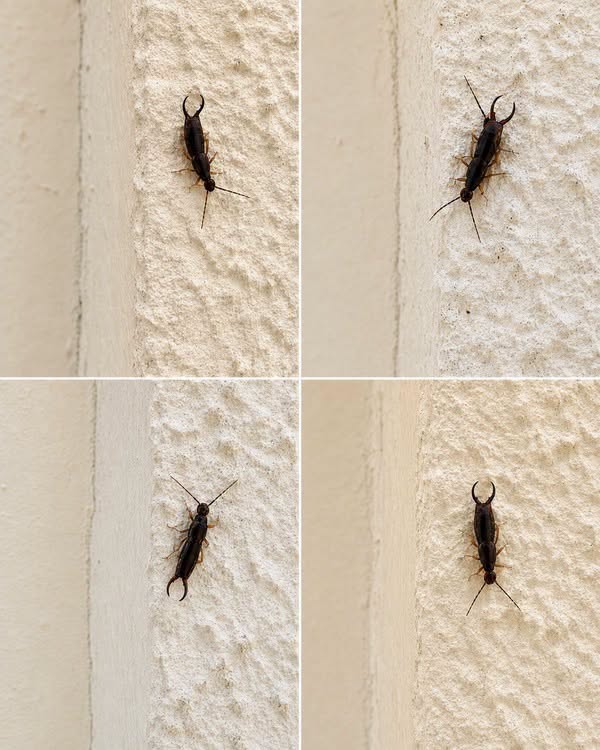
Spotting One Bug at Home: What It Really Means and What to Do Next
Finding a bug crawling across your kitchen counter, bathroom floor, or bedroom wall can be an unsettling experience. Your first thought might be that your home has an infestation, but discovering a single insect doesn’t necessarily mean you have a serious pest problem.
Some bugs wander indoors by accident, while others may be signs of a larger issue hiding out of sight. Understanding which insect you’ve found, where it appeared, and whether you’ve seen others can help you decide what to do next.
Before reaching for insecticide or worrying about your entire home, here’s what you should know.
Does One Bug Mean You Have an Infestation?
Not necessarily.
Insects can enter homes through open doors, windows, cracks, vents, and gaps around pipes. Some are attracted to outdoor lights, food odors, moisture, or warmer indoor temperatures.
A single ant near a window, for example, may have wandered inside while searching for food. A beetle near a light source might have entered through an open door.
However, certain insects deserve closer attention because even one sighting can sometimes indicate a hidden problem.
Bedbugs, cockroaches, and some stored-food pests can reproduce indoors or remain concealed in furniture, wall gaps, and cupboards. Finding one doesn’t prove an infestation exists, but it is a good reason to investigate.
The type of bug matters more than the number you see.
Common Bugs You Might Find Indoors
<box gap={4}> <row align=start gap={3}> <AsyncImage query=”single black ant close up macro photography” aspectRatio=”3:4″ maxWidth=”116px”/> <box flex=”1″ gap={1}> <title size=”md”>1. Ants</title> Ants commonly enter homes while searching for food or water. One ant may be an isolated visitor, but several ants following the same path could indicate a nearby trail or nest.
What to do: Wipe down surfaces, store food in sealed containers, and check for additional ants near windows, doors, and plumbing. </box> </row> <divider color=”subtle”/> <row align=start gap={3}> <AsyncImage query=”cockroach small brown insect close up macro photography” aspectRatio=”3:4″ maxWidth=”116px”/> <box flex=”1″ gap={1}> <title size=”md”>2. Cockroaches</title> Cockroaches are often attracted to food, moisture, and warm hiding places. A single cockroach may have entered from outdoors or a neighboring space, but repeated sightings, droppings, or egg cases can indicate a larger problem.
What to do: Inspect kitchens and bathrooms, repair leaks, remove food scraps, and monitor for further activity. </box> </row> <divider color=”subtle”/> <row align=start gap={3}> <AsyncImage query=”bed bug adult reddish brown insect macro on white fabric” aspectRatio=”3:4″ maxWidth=”116px”/> <box flex=”1″ gap={1}> <title size=”md”>3. Bedbugs</title> Bedbugs hide in mattress seams, bed frames, furniture joints, and other narrow spaces. A confirmed bedbug deserves attention even if you’ve found only one, although look-alike insects can be mistaken for bedbugs.
What to do: Save the specimen or take a clear photograph, inspect mattress seams and nearby furniture, and seek professional identification if necessary. Avoid moving potentially infested belongings into other rooms. </box> </row> <divider color=”subtle”/> <row align=start gap={3}> <AsyncImage query=”small carpet beetle adult oval mottled black white brown macro photograph” aspectRatio=”3:4″ maxWidth=”116px”/> <box flex=”1″ gap={1}> <title size=”md”>4. Carpet beetles</title> Adult carpet beetles may enter through windows or doors. Their larvae can feed on natural fibers, wool, feathers, and accumulated hair or lint.
What to do: Vacuum carpets, baseboards, closets, and areas beneath furniture. Look for shed larval skins or damage to natural-fiber clothing. </box> </row> <divider color=”subtle”/> <row align=start gap={3}> <AsyncImage query=”small silverfish insect elongated silver body long antennae macro photography” aspectRatio=”3:4″ maxWidth=”116px”/> <box flex=”1″ gap={1}> <title size=”md”>5. Silverfish</title> Silverfish prefer humid, sheltered areas and may be found in bathrooms, basements, cupboards, or near stored paper products.
What to do: Reduce excess moisture, improve ventilation, and inspect damp storage areas for repeated activity. </box> </row> </box>
Five Things to Do After Finding a Bug
You don’t need to panic or immediately treat your entire home. Start with a few practical steps.
Take a photograph. Capture the insect from above and, if possible, from the side. Include a nearby object for scale.
Note where you found it. A bug near a window may have entered from outdoors, while one beside a bed, pantry, or damp cupboard may offer different clues.
Look for additional signs. Check for droppings, shed skins, eggs, fabric damage, food contamination, or repeated sightings.
Clean the immediate area. Remove crumbs, wipe surfaces, vacuum nearby debris, and eliminate standing water where appropriate.
Monitor the situation. If similar insects keep appearing, arrange an inspection or seek advice from a pest-control professional.
Avoid spraying unidentified chemicals indiscriminately. Some treatments are unnecessary, may expose people or pets to harmful substances, and can make certain pest problems harder to manage.
When Should You Be Concerned?
Consider seeking professional advice if you discover any of the following:
Repeated sightings of the same type of insect.
Bedbugs or convincing signs of their presence.
Cockroach droppings, egg cases, or activity during daylight.
Holes in clothing or other unexplained damage to stored materials.
Numerous insects emerging from one location.
Signs of termites or damage to wooden structures.
If the insect may be a tick attached to a person or pet, or if a bite or sting causes severe symptoms such as difficulty breathing, seek appropriate medical or veterinary help.
Could the Bug Have Come From Outside?
Absolutely. Many insects occasionally enter homes without establishing themselves indoors.
Seasonal changes, heavy rain, warm weather, and outdoor lighting can all influence insect activity. Open windows, damaged screens, and small gaps around doors may provide easy entry points.
If you find a single harmless outdoor insect, removing it safely and checking nearby entry points may be all that’s needed.
The important distinction is between an occasional visitor and a pest that is feeding, hiding, or reproducing inside your home.
The Bottom Line
Finding one bug at home doesn’t automatically mean your house is dirty or infested. Even well-maintained homes occasionally attract insects.
However, identifying the bug is an important first step because different species require different responses. A lone ant may need little attention, while a suspected bedbug warrants a closer inspection.
Don’t panic, but don’t ignore the clues. Identify the insect, inspect the surrounding area, and take action based on what you find.
If you’re unsure what you’ve discovered, a clear photograph can often help narrow down the possibilities before you decide on the next step.