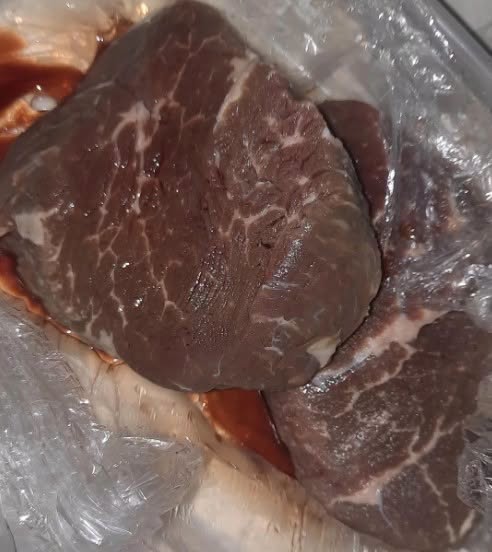
That gray patch in your ground beef can turn an ordinary dinner into a moment of doubt. You open the package, ready to prepare a favorite meal, only to notice that part of the meat looks gray, brown, or slightly purple instead of the bright red color you expected. Suddenly, a simple question becomes important: Is the beef still safe to eat, or is it time to throw it away? Before you toss it into the garbage or put it straight into the pan, there is something worth knowing. A change in color does not automatically mean ground beef has spoiled, and meat that looks perfectly fresh is not necessarily safe. The real difference comes down to several details that your eyes alone cannot settle, including how the meat was packaged, how long it has been refrigerated, and whether it has been handled correctly from the store to your kitchen.
The bright red color commonly associated with fresh ground beef comes from a protein called myoglobin, which is naturally present in muscle tissue. When myoglobin comes into contact with oxygen, it forms a pigment called oxymyoglobin, producing the familiar red appearance that many shoppers associate with freshness. This is why the surface of ground beef exposed to air often looks brighter than the meat underneath. However, color can change depending on how much oxygen reaches different parts of the package. Meat packed tightly together may have limited oxygen exposure in its interior, allowing it to appear grayish or purplish even when the outside remains red. Once the package is opened and the meat is exposed to air, some of those color differences may change. Although this process can explain certain harmless variations, it should never be treated as proof that the meat is safe to eat.
Ground beef can also become brown or gray as its natural pigments undergo chemical changes. This process, known as oxidation, can happen during storage and does not always indicate spoilage. Because ground beef contains many small pieces of muscle mixed together, different areas can be exposed to different amounts of oxygen, creating noticeable variations in color within the same package. You might see a red outer layer with a darker center, or notice a few grayish spots among otherwise red meat. In some circumstances, these differences are normal. However, widespread discoloration, particularly when accompanied by other signs of deterioration, deserves closer attention. An unpleasant or sour odor, a sticky surface, or an unusually slimy texture can indicate that the meat has spoiled. If you notice these warning signs, it is safer to discard the beef rather than attempt to salvage it by washing, seasoning, or cooking it.
There is one important detail that many people overlook when judging meat: harmful bacteria do not always produce visible changes. Ground beef can contain disease-causing microorganisms without developing an unusual color, a bad smell, or an obviously spoiled texture. This is particularly important because grinding distributes bacteria that may be present on the surface of the meat throughout the product. As a result, the inside of a burger or a portion of ground beef can also contain harmful bacteria if it has not been cooked properly. A package that looks red, smells normal, and feels fresh cannot guarantee that the contents are safe. Likewise, a gray patch by itself cannot tell you whether the meat is contaminated. Appearance is only one part of the picture, and proper storage, handling, and cooking are far more reliable ways to reduce the risk of foodborne illness.
Temperature control is one of the most important factors in keeping ground beef safe. Raw ground beef should be refrigerated at 40°F (4°C) or below, and it should generally be cooked or frozen within one to two days of purchase. Keeping the meat cold slows bacterial growth, but refrigeration does not eliminate harmful microorganisms that may already be present. If you do not plan to use the beef within that period, freezing it promptly is a practical option. Store it in a properly sealed package to prevent leaks and reduce the risk of contaminating other foods. When thawing frozen ground beef, use the refrigerator, cold water with appropriate precautions, or a microwave according to safe handling guidance. Avoid leaving it on the kitchen counter for hours, because the outer portions can reach temperatures that encourage bacterial growth while the center remains frozen.
The amount of time ground beef spends outside the refrigerator matters just as much as its color. Perishable food should generally be discarded if it has been left at room temperature for more than two hours. When temperatures rise above 90°F (32°C), such as during a hot summer day or an outdoor gathering, that limit drops to one hour. These time limits apply even when the meat still looks and smells normal. Bacteria can multiply under favorable conditions without producing obvious signs that something is wrong, making it risky to rely on a quick visual inspection. If you cannot determine how long the beef has been sitting out, or you suspect that it has been stored at an unsafe temperature, the safest choice is to discard it. Trying to rescue questionable meat is not worth the possibility of food poisoning.
When the time comes to cook ground beef, reaching the correct internal temperature is essential. Food safety guidance recommends cooking ground beef to an internal temperature of 160°F (71°C). The most reliable way to check this is with a food thermometer inserted into the thickest part of the meat or burger. Color is not a dependable substitute: some burgers can turn brown before reaching a safe temperature, while others may retain a slight pink appearance even after reaching the recommended temperature. Breaking the meat apart or browning it in a skillet does not automatically guarantee that every portion has reached a safe temperature either. Stir the meat as needed when cooking loose ground beef, and check that the batch has been heated thoroughly. After handling raw meat, wash your hands, clean utensils and surfaces, and keep cooked food separate from raw beef to avoid cross-contamination.
It is equally important to understand what cooking cannot do. Heating ground beef to the recommended temperature kills many harmful bacteria, but cooking should not be used as a way to make improperly stored or spoiled meat safe again. Certain hazards associated with mishandled food may not be reliably eliminated by ordinary cooking. Adding spices, sauces, garlic, or other ingredients can mask unpleasant odors, but it does not remove the underlying risk. Washing raw ground beef is also unnecessary and can spread contaminated droplets around the sink and nearby surfaces. If the meat has developed a slimy texture, smells unpleasant, or has an uncertain storage history, do not rely on cooking to solve the problem. Discarding it is the safer decision, even if doing so feels wasteful.
So, what should you do when you discover a gray patch in your ground beef? Start by considering the entire situation rather than focusing on one spot. Check the use-by information where applicable, think about when the meat was purchased, confirm that it has remained properly refrigerated, and look for any signs of spoilage. A grayish center in otherwise properly stored meat may simply reflect limited oxygen exposure, while discoloration combined with a bad smell or slimy texture is a stronger reason to throw it away. Remember, though, that normal color and smell cannot rule out harmful bacteria. If the temperature or storage history is uncertain, choose safety over guesswork.
Ultimately, the most important lesson is that ground beef should never be judged by color alone. Understanding how myoglobin reacts with oxygen can explain why meat sometimes looks gray, brown, or purple without necessarily being spoiled. However, safe handling requires more than knowing the science behind its appearance. Keep ground beef refrigerated at 40°F (4°C) or below, use or freeze it within one to two days, observe the two-hour room-temperature limit, and cook it to an internal temperature of 160°F (71°C). These simple precautions can help you make more confident decisions in the kitchen and reduce the risk of foodborne illness. When the evidence suggests spoilage, or you cannot be confident that the meat was stored safely, do not gamble with your health. A fresh-looking package is not a guarantee, and a gray patch is not automatically a warning. The safest decision comes from understanding the details behind both.