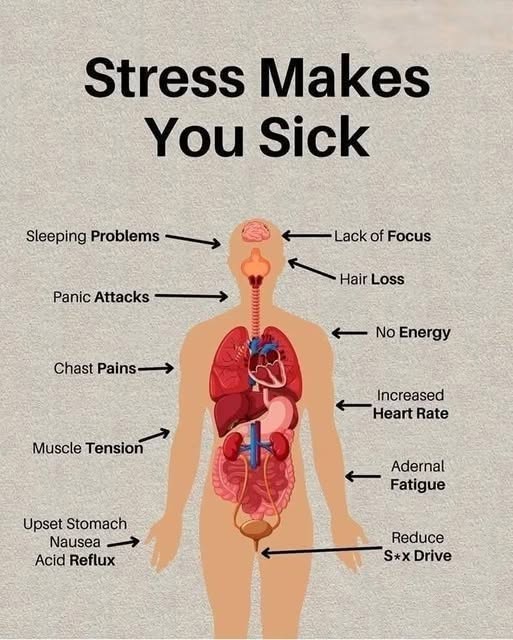
What Stress Can Do to Your Body and Mental Health: Warning Signs You Should Not Ignore
Stress is a natural response to life’s challenges, but when it becomes frequent or prolonged, it can affect both physical and mental health. From headaches and sleep problems to anxiety and difficulty concentrating, understanding the effects of stress is an important step toward protecting your overall well-being.
Stress is a normal part of everyday life. Work responsibilities, financial concerns, family difficulties, and unexpected changes can all trigger the body’s stress response. In the short term, this response can help people react to challenges and remain alert.
However, when stress continues for weeks or months without adequate recovery, it may begin to affect sleep, mood, concentration, and the body’s normal functions. Recognizing the warning signs early can help people take steps to manage stress before it becomes overwhelming.
1. Stress Can Affect Your Heart and Blood Pressure
When a person experiences stress, the body releases hormones such as adrenaline and cortisol. These hormones prepare the body to respond to a perceived threat by increasing alertness, heart rate, and blood pressure.
This response is useful in short bursts. However, frequent or prolonged stress can contribute to persistently elevated blood pressure and unhealthy behaviors that increase cardiovascular risk.
People experiencing ongoing stress may also notice a racing heartbeat, muscle tension, or a feeling of pressure in the chest. These symptoms should not automatically be attributed to stress, particularly if they are new or severe.
Chest pain, difficulty breathing, or fainting requires urgent medical assessment.
2. Stress Can Disrupt Sleep
Sleep problems are among the most common difficulties associated with stress. Worrying thoughts may make it difficult to fall asleep, while tension and anxiety can contribute to waking up repeatedly during the night.
Poor sleep can then make it harder to manage stress the following day, creating a cycle in which stress interferes with sleep and sleep deprivation increases emotional strain.
To support better sleep, experts commonly recommend maintaining a consistent bedtime, limiting caffeine later in the day, reducing screen use before bed, and creating a calm sleeping environment.
If sleep problems persist or begin affecting daily activities, speaking with a healthcare professional may help identify the underlying causes.
3. Stress Can Affect Digestion
The brain and digestive system are closely connected. Stress can influence how the digestive tract functions, potentially contributing to symptoms such as stomach discomfort, nausea, bloating, diarrhea, or constipation.
Some people lose their appetite when stressed, while others may eat more than usual, particularly foods high in sugar or fat.
Although stress can aggravate digestive symptoms, persistent or severe problems should not be dismissed as stress alone. Medical evaluation may be necessary to rule out other conditions.
4. Stress Can Weaken Your Ability to Concentrate
Ongoing stress can make it harder to focus, remember information, organize tasks, and make decisions.
When the mind is occupied with worries, less attention may be available for everyday responsibilities. People may find themselves forgetting appointments, struggling to complete tasks, or feeling mentally exhausted even after relatively simple activities.
Taking regular breaks, breaking large tasks into smaller steps, and prioritizing responsibilities can help reduce mental overload.
Physical activity and sufficient sleep may also support concentration and emotional regulation.
5. Stress Can Affect Your Immune System
Stress influences the immune system through interactions between the nervous, hormonal, and immune systems.
Short-term stress can temporarily alter immune activity. Prolonged stress, however, may disrupt normal immune regulation and is associated with changes in inflammation and the body’s ability to respond to health challenges.
This does not mean that stress automatically causes illness or that every stressed person will become sick. Rather, chronic stress can be one of several factors affecting overall health.
Maintaining healthy routines, eating a balanced diet, getting enough sleep, and seeking support when needed can help support general well-being.
6. Stress Can Take a Toll on Mental Health
One of the most significant effects of prolonged stress is its impact on emotional well-being.
People may experience irritability, persistent worry, low motivation, feelings of being overwhelmed, or difficulty relaxing. Stress can also worsen existing anxiety or depressive symptoms.
In some cases, people withdraw from social activities or find it increasingly difficult to manage everyday responsibilities.
It is important to remember that experiencing stress does not automatically mean someone has a mental health disorder. However, when emotional symptoms persist, intensify, or interfere with daily life, professional support can make a meaningful difference.
7. Stress Can Cause Muscle Tension and Headaches
During a stress response, muscles may tighten in preparation for action. When this tension continues, it can contribute to neck pain, shoulder discomfort, jaw clenching, and tension-type headaches.
Some people may also notice worsening of existing migraine symptoms during stressful periods.
Gentle stretching, regular movement, relaxation exercises, and taking breaks from prolonged sitting may help relieve muscle tension.
Frequent, severe, or unusual headaches should be assessed by a healthcare professional rather than assumed to be stress-related.
How Can You Manage Stress More Effectively?
Although it may not be possible to eliminate every source of stress, healthy coping strategies can help reduce its impact.
Consider incorporating these habits into your daily routine:
- Move your body regularly. Walking, cycling, swimming, or other enjoyable physical activities may help improve mood and reduce tension.
- Practice slow breathing. Taking a few minutes to breathe slowly and comfortably can help you feel calmer.
- Protect your sleep. Maintain a consistent sleep schedule and create a relaxing bedtime routine.
- Stay connected. Talking with a trusted friend, family member, or counselor can help you process difficult experiences.
- Set realistic priorities. Break demanding tasks into manageable steps and allow yourself time to rest.
- Limit excessive caffeine. Too much caffeine may worsen anxiety, restlessness, and sleep difficulties in some people.
- Seek professional support when needed. A healthcare professional or mental health specialist can help identify effective strategies and determine whether additional treatment is appropriate.
When Should You Seek Help?
Occasional stress is a normal part of life, but persistent stress deserves attention when it affects your health, relationships, sleep, or ability to function.
Consider speaking with a healthcare professional if you experience ongoing anxiety, frequent panic symptoms, persistent low mood, continuing sleep problems, or physical symptoms that interfere with daily life.
If you feel unable to cope or have thoughts of harming yourself, seek immediate support from a trusted person, a mental health professional, or local emergency services.
Final Thoughts
Stress affects more than just how you feel emotionally. When it becomes prolonged, it can influence sleep, digestion, muscle tension, concentration, and several other aspects of physical and mental health.
The good news is that recognizing stress early and developing healthy coping habits can help reduce its impact. Regular physical activity, restorative sleep, supportive relationships, and professional guidance when necessary can all play an important role in protecting well-being.
Listening to your body, taking your mental health seriously, and seeking help when needed are not signs of weakness. They are important steps toward a healthier and more balanced life.