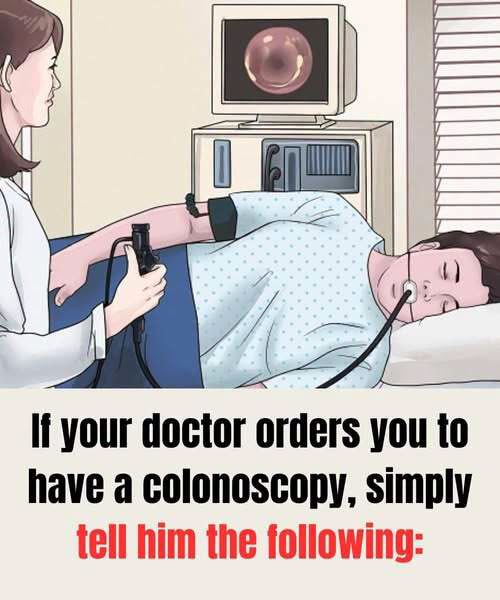
We often imagine a colonoscopy as an unpleasant ordeal, something to postpone until there is no other choice. In reality, for people who are due for colorectal cancer screening, it can be an important form of preventive care. While embarrassment or discomfort may be what a patient thinks about first, the larger concern for doctors is detecting problems that can develop quietly, sometimes before a person notices any symptoms at all.
Colorectal cancer does not always announce itself early. Precancerous polyps can develop without causing obvious pain or other warning signs. That is one reason screening matters: it can identify abnormal tissue before it becomes cancer, and in some cases doctors can remove certain polyps during the same procedure.
That ability is one of the most valuable aspects of colonoscopy.
The procedure is not simply about looking for an existing cancer. Depending on what is found, removing a precancerous polyp can prevent it from progressing into something more serious. In that sense, screening can sometimes turn a potential future diagnosis into a problem that is addressed before cancer develops.
For many patients, the procedure itself is less difficult than they expected. Sedation is commonly used, and people may remember very little of the examination afterward. The preparation beforehand is often the part patients describe as most inconvenient, because it requires temporarily changing their diet and taking a bowel-cleansing preparation so the doctor can see the colon clearly.
That preparation can certainly be unpleasant, but it serves an important purpose.
A clean colon allows the medical team to identify abnormalities more effectively and reduces the chance that important areas will be obscured. Following the preparation instructions carefully can therefore make the examination more useful.
Fear, embarrassment, or stories from other people can nevertheless make someone hesitate.
That hesitation is understandable. Medical procedures involving intimate parts of the body can feel uncomfortable to discuss, and nobody enjoys preparing for an examination they expect to be inconvenient. But avoiding a conversation about screening does not remove the underlying risk. It only delays the opportunity to determine whether screening is appropriate.
Recommendations vary according to age, personal history, family history, previous screening results, and other risk factors. Some people may need screening earlier or more frequently than others, while people with certain medical or family histories may need a more individualized plan.
That is why the best first step is often simply to ask a healthcare professional what screening schedule is appropriate.
Patients can also ask what the preparation involves, what type of sedation will be used, what the possible risks are, and what happens if a polyp is discovered. Understanding the process can make an unfamiliar procedure feel considerably less intimidating.
It is also important not to treat colonoscopy as the only possible approach to colorectal cancer screening. Depending on a person’s circumstances and local medical guidance, other screening methods may be available. A healthcare professional can explain which option is appropriate and how often it should be completed.
The broader lesson is that preventive medicine often asks us to tolerate a short-term inconvenience in exchange for a potentially much greater long-term benefit.
A day of preparation and recovery may feel significant when it is approaching, but it is small compared with the consequences of discovering a serious disease much later. Screening cannot prevent every case of colorectal cancer, and no medical procedure is completely without risks, but appropriate screening can substantially improve the chances of finding disease earlier or preventing some cancers from developing.
Seeing screening as self-care rather than punishment can therefore change the entire experience.
It is not about pretending that the preparation is pleasant or that every patient will have the same experience. It is about recognizing why the procedure is recommended and making an informed decision rather than allowing fear to make the decision for you.
In the end, a colonoscopy is not merely a day to endure.
For someone who is due for screening, it can be an investment in knowing what is happening inside the body—and, when abnormalities are found early, an opportunity to act before a potentially serious problem has more time to grow.