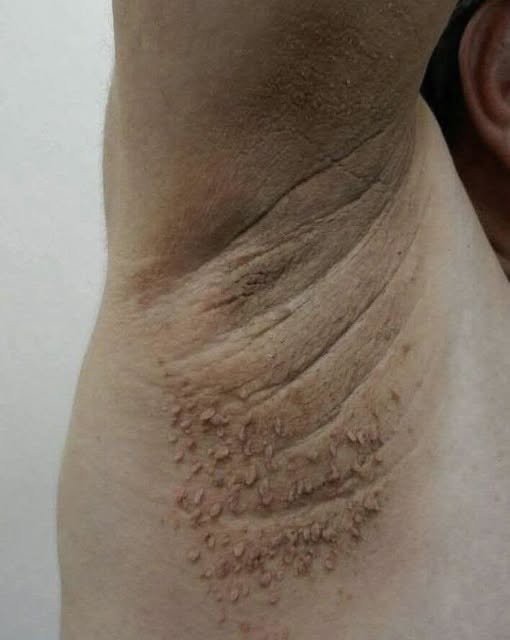
Have you ever noticed dark, velvety skin appearing around your neck, underarms, or other skin folds—and tried scrubbing it away until the area became sore? It isn’t dirt, and no amount of aggressive washing will make the underlying cause disappear. Sometimes, this subtle skin change can be your body’s way of signaling that something deeper deserves attention. Often associated with insulin resistance, prediabetes, hormonal changes, certain medications, and weight-related metabolic issues, it can occasionally be linked to much rarer conditions as well. What looks like a simple change in skin color may actually be a clue worth noticing.
Those darker, velvety patches can be embarrassing, especially when they appear somewhere other people might notice. But they are not evidence that you are “unclean” or failing to take care of yourself. A condition called **acanthosis nigricans** can cause exactly this kind of thickened, darker skin, particularly around the neck, armpits, groin, and other folds. The patches are usually painless and are not dangerous by themselves, but they can sometimes point toward an underlying issue that deserves medical attention.
For many people, the connection involves insulin resistance, when the body has difficulty responding properly to insulin. It can also occur alongside prediabetes or diabetes, hormonal disorders, or as a side effect of certain medications. In uncommon cases, especially when the change appears suddenly and spreads rapidly, doctors may investigate other causes as well. That is why it is better to understand the reason behind the change than simply try to cover it up.
A clinician can often identify acanthosis nigricans by examining the skin, then decide whether blood tests or other evaluation are appropriate. Tests may look at blood sugar and other aspects of metabolic or hormonal health, depending on the person’s symptoms and medical history. The goal is not simply to make the skin look different—it is to find and address whatever may be causing the change.
When the underlying cause is treated, the skin can gradually become softer and lighter. Improving blood-sugar control, treating an underlying hormonal disorder, reviewing medications with a clinician, or addressing other metabolic factors may help over time. Gentle skincare can also prevent irritation. Scrubbing harder is not the answer, and harsh products may only damage already sensitive skin.
If you notice dark, thick, or velvety patches that are new, spreading, or changing quickly, don’t automatically dismiss them as dirt or a cosmetic problem. And if they appear alongside symptoms such as unusual thirst, frequent urination, unexplained weight changes, or other concerning changes, it is especially important to bring them up with a healthcare professional.
**Sometimes your skin isn’t asking you to scrub harder. It’s asking you to pay attention.**