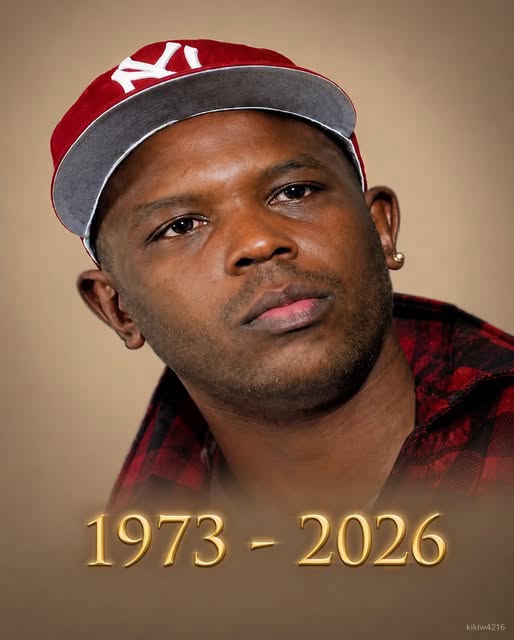
The news hit like a punch to the chest. Oliver “Power” Grant is gone, and only now are many people in hip-hop stopping to recognize just how much the culture owed to a man who rarely needed to grab the microphone himself. His influence wasn’t always the loudest or most visible, but it existed behind decisions that helped transform a group of Staten Island rappers into something far larger than music.
While the world memorized Method Man’s verses, shouted Wu-Tang hooks, and watched the Clan become one of hip-hop’s most recognizable forces, Grant was helping build the invisible machine behind it all.
He understood something early that would later become obvious across the music industry: artists could be more than performers. Their names, identities, communities, and ideas could become businesses capable of surviving long after a record disappeared from the charts.
Oliver “Power” Grant’s death at 52 forces a hard look at how culture is really built. History naturally remembers the people standing beneath the brightest lights, but movements are often sustained by people working behind them—organizing, planning, negotiating, and thinking several steps ahead.
While the spotlight followed the emcees, Grant focused on helping create the structure that allowed Wu-Tang Clan to become more than another successful rap group.
He recognized that their real power wasn’t limited to records.
It was also in controlling their image, understanding their business, protecting the identity they had created, and finding ways to turn cultural influence into something the artists themselves could benefit from.
That philosophy became increasingly important as Wu-Tang’s popularity exploded.
From supporting a collective model that challenged conventional record-label expectations to helping launch Wu Wear as a pioneering artist-driven clothing brand, Grant approached hip-hop as though an empire was being built rather than simply another album being promoted.
Wu Wear became much more than merchandise.
It helped demonstrate that a hip-hop group could take the loyalty surrounding its music and translate it into fashion, identity, and a recognizable lifestyle. Fans weren’t simply listening to Wu-Tang anymore—they could wear the symbol and publicly identify with the culture surrounding it.
That idea seems ordinary today, when musicians routinely launch clothing lines, beverages, technology ventures, and entire lifestyle companies. But during hip-hop’s earlier commercial years, thinking beyond album sales required a different kind of vision.
Grant understood that cultural influence had value.
And he believed artists needed to participate in that value rather than simply watching outsiders build businesses around their popularity.
His philosophy placed vision, planning, ownership, and independence alongside lyrics, beats, performances, and record sales.
The artists created the sound that captivated millions, but the structure surrounding that sound helped give Wu-Tang something equally valuable: longevity.
That quiet conviction helped transform raw talent into a global movement capable of sustaining itself across generations.
Decades later, people who weren’t even alive when Wu-Tang’s earliest records were released still recognize the unmistakable “W.” It appears on clothing, walls, posters, stages, collectibles, and countless pieces of popular culture around the world.
That kind of longevity doesn’t happen accidentally.
It requires music powerful enough to survive changing trends, but it also requires people who understand how to protect, expand, and preserve what the music represents.
Grant helped provide that kind of thinking.
His contribution may never be remembered in exactly the same way as an unforgettable verse or legendary performance, because much of his work happened away from the microphone.
But influence isn’t measured only by who receives the loudest applause.
Sometimes it is measured by what remains after decades have passed.
Every time Wu-Tang’s symbol appears on a shirt, a wall, or a stage, it carries part of the vision Grant helped build—a reminder that hip-hop could own more of itself, think beyond the next record, and transform cultural power into lasting opportunity.
His legacy is proof of something the music business sometimes forgets:
The loudest impact can come from the calmest voice in the room.