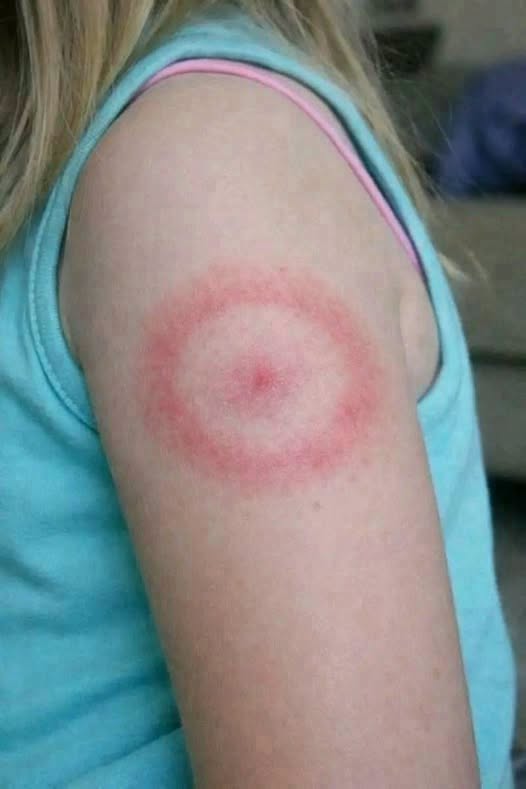
The itching starts quietly. At first, it may feel like nothing more than a minor irritation—a spot you scratch without even thinking about it. Then comes the burning, the peeling, the redness, and those strange circular patches that seem to grow almost overnight. Most people shrug it off, assuming it will disappear on its own. But days pass, and instead of fading, the rash begins to spread. The edges become more noticeable, the itching becomes harder to ignore, and suddenly something that seemed harmless is affecting everyday comfort. In some cases, nails begin to thicken, discolor, and crumble. In others, a child may come home with bald, scaly patches across the scalp. What if the real danger isn’t simply the fungus itself, but the delay, the embarrassment, and the silent suffering that allows a manageable infection to become something much harder to control?
Fungal skin infections are incredibly common, yet they are often misunderstood. Many of the microorganisms capable of causing them can live naturally on or around the human body without creating obvious problems. Under normal conditions, the skin keeps this delicate balance under control. But warmth, moisture, sweat, friction, weakened skin barriers, and poor ventilation can create exactly the environment fungi need to multiply. A harmless presence can gradually turn into an uncomfortable infection, sometimes before a person realizes what is happening.
Ringworm can appear as expanding circular or ring-shaped patches on the arms, legs, torso, or scalp. Despite its alarming name, there is no worm involved—it is a fungal infection that can spread through direct contact or contaminated objects. Candidiasis tends to thrive in warm, moist folds of the body, where redness, irritation, and discomfort can become persistent. Nail fungus works more slowly, sometimes taking months to reveal the full extent of the problem. A nail that once looked perfectly healthy may gradually become yellow, thickened, brittle, distorted, and increasingly difficult to trim.
The scalp can be especially concerning when children are affected. What begins as itching or mild scaling may develop into noticeable patches of broken hair or hair loss. Because fungal infections can resemble other skin conditions, people sometimes try random creams or home treatments without knowing exactly what they are dealing with. Meanwhile, the infection may continue spreading beneath the surface or move from one person to another.
Transmission can happen surprisingly easily. Fungi may pass from skin to skin during close contact, from an infected pet to a child, or through shared towels, clothing, combs, shoes, and other personal items. Damp locker-room floors, swimming-pool areas, communal showers, and changing rooms can also provide opportunities for exposure, particularly when people walk barefoot. Moisture trapped inside shoes or tight clothing can make matters worse by creating a warm environment where fungi can thrive.
The turning point is rarely dramatic. More often, it is simply the moment you decide not to ignore that first persistent itch, suspicious patch, or changing nail. Early attention can make treatment easier and may reduce the chance of spreading the infection to other parts of the body or to other people. Waiting because of embarrassment or hoping the problem will disappear can sometimes give the infection more time to become established.
Consistent antifungal treatment can often reverse weeks or months of discomfort and visible damage. Depending on the type and location of the infection, treatment may involve antifungal creams, lotions, powders, shampoos, or prescription oral medication. Nail and scalp infections can be particularly stubborn and may require longer treatment because the fungus can be difficult to reach. Stopping treatment too early simply because the symptoms look better may also allow the infection to return.
Prevention often comes down to simple habits practiced consistently. Drying the skin carefully after bathing, changing sweaty clothing, allowing shoes to dry properly, wearing sandals in public showers, and avoiding the sharing of towels, socks, shoes, razors, or combs can quietly interrupt the chain of transmission. Keeping skin folds clean and dry can also make the environment far less welcoming to fungal growth.
Natural or home remedies may sometimes soothe irritation or support basic skin care, but they should not become a reason to delay appropriate medical treatment when an infection persists, spreads, becomes painful, or involves the scalp or nails. What looks like a fungal infection may occasionally be another skin condition entirely, which is why an accurate diagnosis can matter when symptoms refuse to improve.
Your skin often gives warnings long before a problem becomes severe. Persistent itching, expanding patches, unusual scaling, cracked skin, changing nails, or unexplained hair loss should not automatically be dismissed as cosmetic inconveniences. Paying attention early can mean the difference between a relatively simple treatment and months of frustration.
When symptoms do not fade or continue spreading despite treatment, listening to your skin—and seeking advice from a dermatologist or other qualified healthcare professional—can help prevent unnecessary pain, complications, and possible scarring. There is no reason for shame in something so common. What matters is recognizing the signs, treating the problem properly, and refusing to let a manageable infection quietly continue growing in the dark.