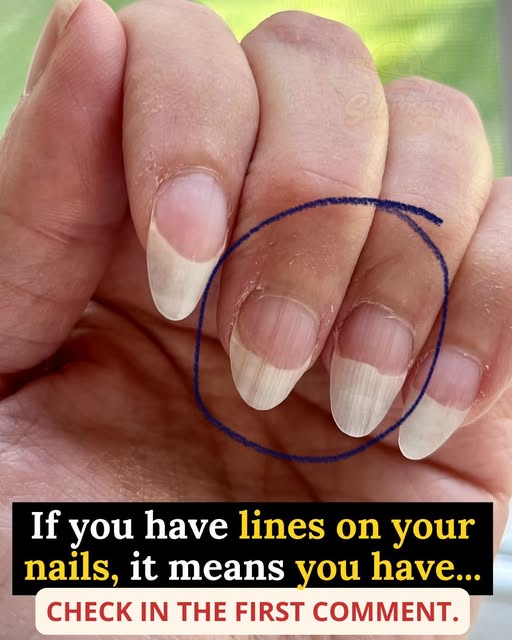
Tiny white marks on your nails can feel like a quiet alarm. They appear suddenly, linger for weeks, and make you wonder what’s going wrong inside your body. Are they harmless… or a warning you’re ignoring? The truth is more nuanced, more human, and more urgent than the old “calcium deficiency” myth suggests. Those tiny white spots have fueled countless rumors for generations, convincing many people that a simple nutrient shortage is to blame. In reality, your nails are constantly recording the small injuries and stresses they experience, creating a timeline of your daily life that slowly reveals itself as the nail grows outward.
Those pale dots and faint lines on your nails are often just the scars of everyday life: a rushed manicure, tight shoes, a slammed drawer, or constant friction from work and sports. Even a moment you barely remember—accidentally bumping your finger against a countertop or catching your nail in a zipper—can temporarily disturb the nail matrix hidden beneath the skin. Because nails grow so slowly, the white mark may not appear until several weeks after the original injury, making it nearly impossible to connect the cause with the effect. By the time you notice it, the event that created it has long since faded from memory.
The nail matrix is responsible for producing every new layer of your nail. When this delicate tissue experiences even a minor interruption, tiny air pockets or irregular keratin formation can develop within the growing nail plate. These microscopic changes scatter light differently, creating the familiar white appearance known as leukonychia. While the marks may seem dramatic, they are often nothing more than evidence that your body successfully repaired itself after a small, harmless injury. As new nail tissue forms, the damaged section gradually moves toward the tip until it can simply be trimmed away.
Daily habits play a much bigger role than many people realize. Frequent hand washing, repeated exposure to detergents, harsh cleaning products, and alcohol-based sanitizers can dry both the nails and surrounding skin, making them more vulnerable to tiny cracks and trauma. People who regularly wear acrylic nails, gel polish, or remove polish with strong acetone solutions may unknowingly weaken the nail surface over time. Athletes, musicians, mechanics, healthcare workers, and anyone whose hands endure repetitive impact or friction may notice white spots more often simply because their nails experience greater physical stress.
Fortunately, healthy nail care can dramatically reduce the appearance of new white marks. Moisturizing your nails and cuticles daily helps preserve flexibility, while wearing gloves during household cleaning protects the nail from harsh chemicals. Giving your nails occasional breaks from polish allows the nail surface to recover naturally. Trimming nails carefully instead of tearing or biting them prevents unnecessary trauma, and wearing properly fitted shoes reduces repeated pressure on toenails. Small, consistent habits often make a much bigger difference than expensive cosmetic treatments.
Although most white spots are harmless, not every nail change should be dismissed. White lines that persist for months, appear across several nails at once, or fail to grow out normally deserve closer attention. Changes accompanied by pain, swelling, redness, thickening, crumbling, or separation of the nail from the nail bed may point to fungal infections, inflammatory skin conditions like psoriasis or eczema, allergic reactions, or other underlying medical concerns. Certain medications, chemotherapy treatments, and more serious illnesses can also temporarily affect nail growth, creating patterns that healthcare providers recognize as important diagnostic clues.
Your nails can sometimes reflect your overall health because they grow continuously from living tissue supplied by blood vessels and nutrients. While isolated white spots rarely indicate nutritional deficiencies, widespread nail abnormalities combined with fatigue, weight loss, persistent illness, or other unusual symptoms should never be ignored. Healthcare professionals evaluate nail changes alongside your complete medical history rather than relying on the appearance of the nails alone. This broader perspective helps separate harmless cosmetic changes from signs that require further testing or treatment.
Beyond myths and unnecessary fear, the real message of leukonychia is surprisingly reassuring. In most cases, those tiny white marks are simply reminders that your body has healed from countless minor bumps and everyday stresses without you even noticing. At the same time, your nails deserve respect because they can occasionally reveal when something more significant is happening beneath the surface. Paying attention to persistent changes, protecting your hands from repeated injury, practicing gentle nail care, and seeking medical advice when abnormalities refuse to fade are simple but powerful ways to care for both your nails and your overall health.