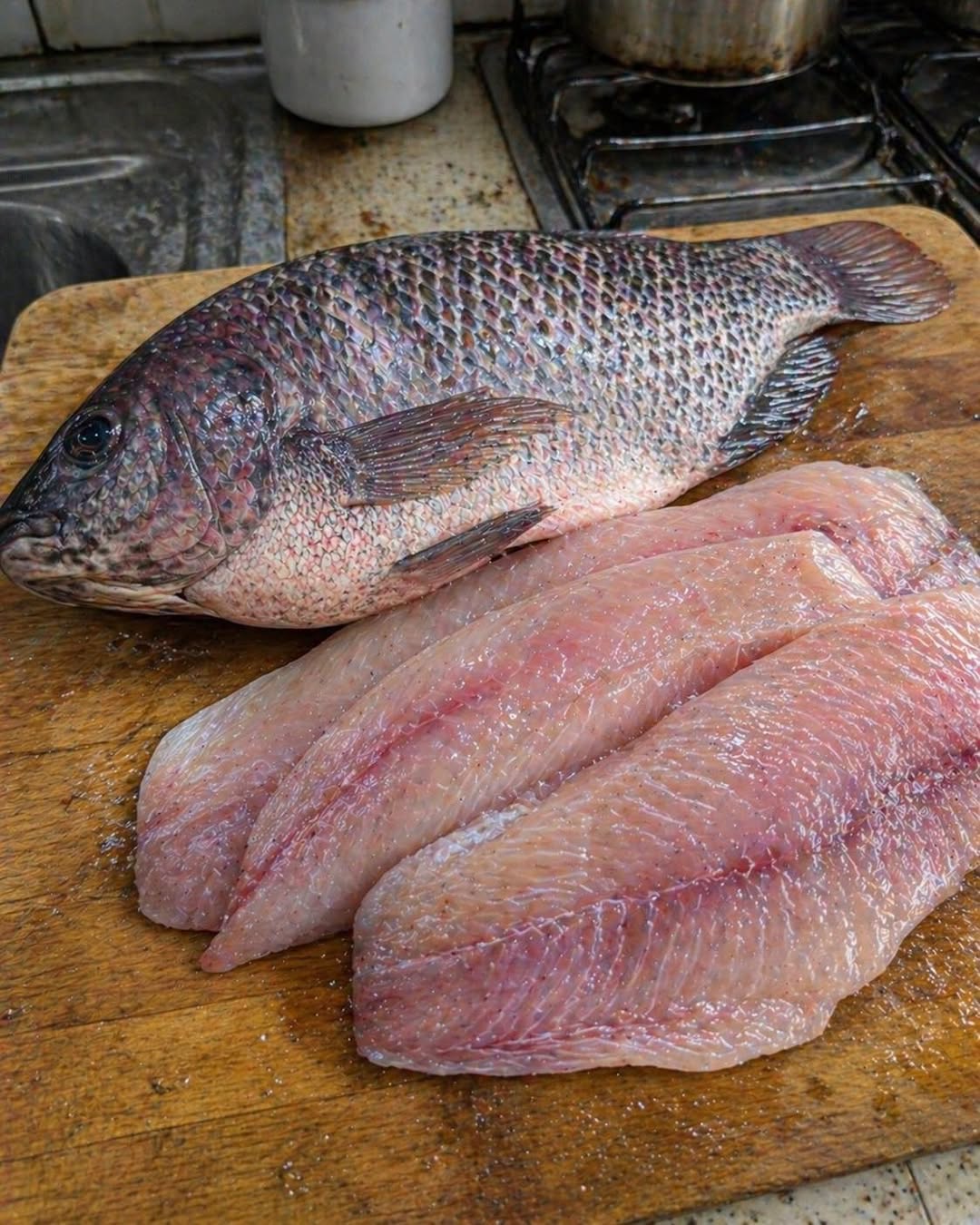
Tilapia has long been promoted as one of the healthiest and most affordable fish available. Its mild flavor, versatility, and budget-friendly price have made it a favorite in kitchens around the world. For many families, it’s an easy way to add lean protein to meals without the stronger taste or higher cost of other seafood. Yet in recent years, discussions about tilapia have become increasingly complicated. Headlines and social media posts have raised concerns about farming practices, antibiotics, feed quality, and nutritional value, leaving many consumers wondering whether the fish truly deserves its healthy reputation. The answer, as is often the case with nutrition, is more balanced than many alarming claims suggest.
One reason tilapia became so popular is its impressive nutritional profile. A typical cooked serving provides more than 20 grams of high-quality protein while remaining relatively low in calories and saturated fat. It also supplies important nutrients such as selenium, phosphorus, vitamin B12, niacin, and other vitamins and minerals that contribute to normal body function. In addition, tilapia generally contains lower levels of mercury than many larger predatory fish, making it an option that many health authorities consider appropriate for most people when consumed as part of a varied diet.
Its mild taste also makes it exceptionally versatile. Unlike stronger-flavored seafood, tilapia readily absorbs herbs, spices, marinades, and sauces, making it suitable for baking, grilling, steaming, pan-searing, or air frying. This flexibility has helped it become a regular ingredient in restaurants, school cafeterias, and home kitchens alike.
Much of the controversy surrounding tilapia, however, has little to do with the fish itself and much more to do with how it is produced. Today, the vast majority of tilapia sold worldwide comes from aquaculture rather than wild fisheries. Fish farming has played an important role in meeting growing global demand for seafood, but farming practices vary considerably from one producer and one country to another.
Well-managed aquaculture operations can produce healthy fish while maintaining strong standards for water quality, animal health, and food safety. These farms often operate under strict regulations, regular inspections, and monitoring programs designed to protect both consumers and the environment. In such systems, tilapia can remain a nutritious and reliable source of protein.
Concerns arise when farming conditions fail to meet those standards. In some regions with weaker oversight, overcrowded ponds, poor water quality, inadequate sanitation, or inappropriate feed may affect fish health and production practices. Reports from certain areas have documented the misuse of veterinary drugs or antibiotics not permitted under international food safety standards. These situations have understandably raised concerns among consumers.
It is important, however, to avoid assuming that every farm operates in the same way. Aquaculture is an enormous global industry encompassing producers with widely varying practices. Responsible farms invest heavily in disease prevention through water management, proper nutrition, vaccination where appropriate, and biosecurity measures that reduce the need for antibiotic treatment. Others may not consistently meet those same expectations.
Nutrition has also become part of the debate. Compared with oily fish such as salmon, sardines, herring, and mackerel, tilapia naturally contains much lower amounts of omega-3 fatty acids. Omega-3 fats play important roles in heart, brain, and eye health, leading some critics to argue that tilapia should not be viewed as nutritionally equivalent to fattier fish.
That observation is accurate—but it does not make tilapia unhealthy. It simply means that tilapia offers different nutritional strengths. It excels as a lean, protein-rich fish but should not necessarily replace omega-3-rich seafood entirely. Including a variety of fish in the diet allows people to benefit from the unique nutritional contributions each species provides.
Another factor worth considering is preparation. A baked or grilled tilapia fillet served alongside vegetables and whole grains represents a very different meal from heavily breaded, deep-fried fish accompanied by high-fat sauces and refined carbohydrates. Often, the cooking method influences the overall nutritional quality of the meal just as much as the fish itself.
Consumers concerned about sourcing can take several practical steps when shopping. Looking for reputable suppliers, checking the country of origin, and choosing products carrying recognized sustainability or aquaculture certifications may provide additional confidence regarding production practices. While certifications are not perfect, they often indicate adherence to established standards for environmental responsibility and food safety.
Diversifying seafood choices is another sensible strategy. Rather than relying exclusively on one species, many nutrition experts encourage rotating among different fish such as salmon, trout, sardines, cod, pollock, tuna (in appropriate amounts), and tilapia. Variety not only broadens nutrient intake but also reduces dependence on any single food source.
The conversation surrounding tilapia illustrates a broader lesson about modern nutrition. Few foods are entirely “superfoods” or entirely “bad.” Context matters. The quality of production, overall dietary patterns, portion sizes, preparation methods, and individual nutritional needs all influence whether a food contributes positively to health.
Scientific research continues to support fish consumption as part of a balanced eating pattern. The specific type of fish chosen may vary according to nutritional goals, budget, availability, and personal preference. For many households, tilapia remains an affordable way to increase protein intake without significantly increasing food costs.
At the same time, consumers benefit from staying informed rather than relying on sensational headlines. Questions about farming practices deserve thoughtful attention, but they should be evaluated using credible scientific evidence rather than viral claims that portray every farmed fish as dangerous or every tilapia fillet as unhealthy.
Ultimately, tilapia is neither the miracle food some advertisements once suggested nor the toxic product some alarming posts now describe. It is a lean, nutritious fish whose quality depends largely on responsible farming, careful food safety oversight, and informed consumer choices.
The next time you shop for seafood, the most important questions may not simply be “Is tilapia healthy?” but rather “Where did it come from?”, “How was it produced?”, and “How does it fit into the overall variety of my diet?” Looking beyond the headlines allows you to make decisions based on evidence instead of fear, helping ensure that seafood remains both enjoyable and beneficial as part of a balanced lifestyle.