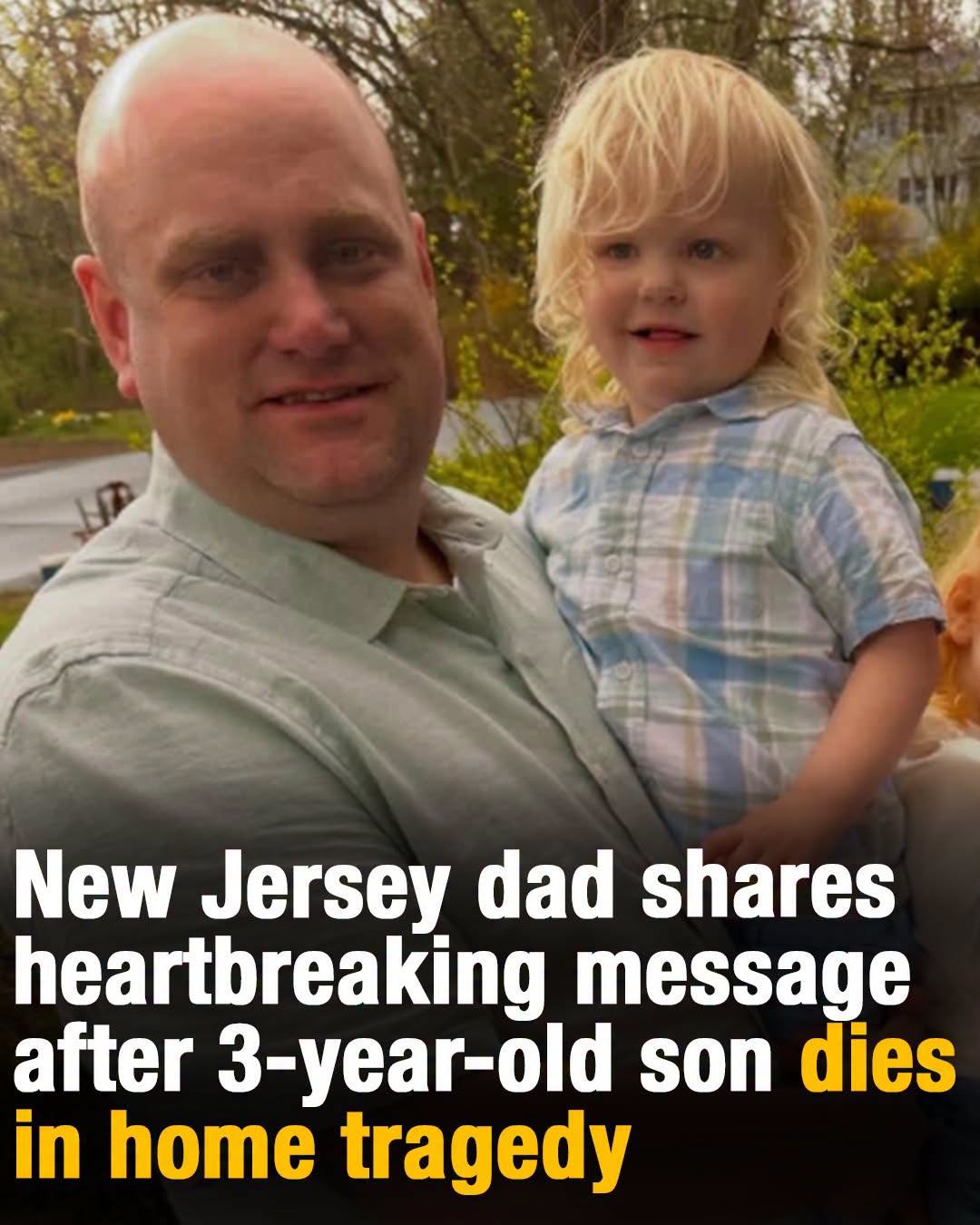
In a matter of moments, an ordinary day turned into every parent’s worst nightmare for one New Jersey family. It began with something that seemed insignificant—a wet pull-up, an unlocked door, and the realization that one of a pair of three-year-old twins was suddenly nowhere to be found. Within seconds, a father was racing toward the backyard pool, already overwhelmed by the terrifying feeling that he was too late.
What he found would remain with him forever.
The memory that haunts him most is not the frantic rush that followed, but the silence that came first. One little boy stood inside the kitchen, soaked from the water and confused by the unfolding panic. His twin brother, Elijah, was floating face down in the backyard pool, motionless, his small body frighteningly still.
Although trained as a police lieutenant and experienced in responding to emergencies, nothing could prepare the father for performing lifesaving measures on his own child. Instinct took over as he pulled Elijah from the water and immediately began CPR, desperately trying to force air back into his tiny lungs while praying for a miracle.
Paramedics arrived within minutes, and the sound of sirens filled the neighborhood as emergency crews continued fighting to save the little boy’s life. Their efforts succeeded in restoring a heartbeat, offering the family a brief moment of hope that perhaps the unimaginable could still be reversed.
But the hardest battle had only begun.
At the hospital, doctors delivered devastating news. Although Elijah’s heart was beating again, his brain had suffered catastrophic injuries from the prolonged lack of oxygen. The damage was irreversible, leaving his parents to face a decision no family should ever have to make.
In the painful days that followed, both parents openly shared the overwhelming guilt they carried. As they struggled to process the tragedy, they found themselves returning again and again to the same heartbreaking thought.
“I failed.”
Those words echoed through their grief, reflecting the impossible burden so many parents place on themselves after losing a child, even when no amount of love could have changed what had already happened.
Despite their unimaginable pain, Elijah’s parents eventually made one final decision guided entirely by love.
Knowing their son could not recover, they chose to donate his organs so that other critically ill children might have a chance to live.
Signing those consent forms became one of the most heartbreaking moments of their lives, yet it also transformed an unimaginable personal loss into a gift that would forever change the lives of families they would likely never meet.
Because of Elijah’s donation, somewhere another parent would receive the phone call they had been praying for—the call saying a matching organ had become available and that hope had returned.
For those families, what had seemed impossible would suddenly become possible.
While Elijah’s life ended far too soon, his legacy would continue through the children whose lives were saved because of his parents’ extraordinary act of compassion.
Their son’s story did not end only with tragedy. It also became one of remarkable generosity, reminding others that even in life’s darkest moments, love can still create hope for someone else.
Although no donation could ever erase the heartbreak of losing Elijah, his parents ensured that a part of him would continue living on—offering other children the future he never had the chance to experience, and proving that the deepest expressions of love sometimes come through the most painful acts of letting go.