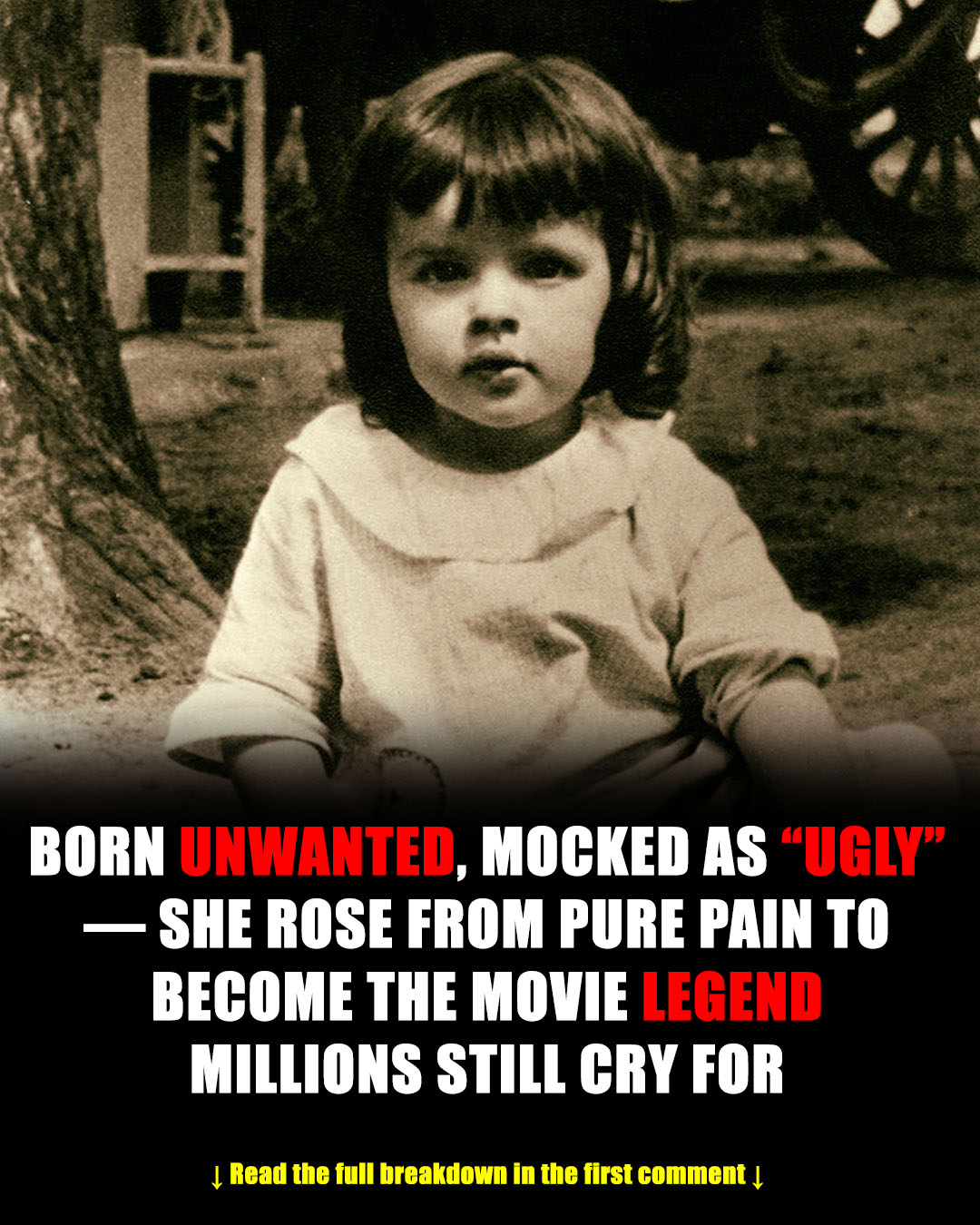
She stood beneath the blazing lights covered in sequins and applause, while the world called her magical. To audiences, she looked untouchable — a star born for greatness, glowing beneath Hollywood’s golden age. But behind the curtain, the brilliance came at a devastating cost. Every standing ovation demanded more from her. More energy. More perfection. More sacrifice. By the time the world knew her as Judy Garland, the little girl she once was had already been buried beneath fame, exhaustion, and impossible expectations.
Before she became a legend, she was simply Frances Gumm — a shy child with an extraordinary voice and a desperate need to feel loved. She didn’t dream of becoming an icon. She wanted approval, affection, and safety like any other little girl. But Hollywood didn’t see a child standing before them. They saw profit.
The entertainment industry transformed her into Judy Garland long before she was old enough to understand what that transformation would cost her.
Studio executives obsessed over every detail of her appearance. They criticized her body, monitored her eating habits, controlled her schedule, and compared her relentlessly to other actresses. While glamorous stars were marketed as symbols of perfection, Judy was often made to feel inadequate, despite carrying one of the most extraordinary talents of her generation.
Executives reportedly called her “plain.”
Too short.
Too awkward.
Not glamorous enough.
So they tried reshaping her.
The filming schedules were brutal. As a teenager, she worked endless hours under intense pressure while being given stimulants to stay awake and diet pills to remain thin. When filming finally ended, sedatives helped force her to sleep before the cycle began again the next morning.
The system didn’t protect her childhood.
It consumed it.
Even at the height of her fame during films like The Wizard of Oz, Judy Garland was privately struggling beneath overwhelming emotional and physical exhaustion. The same role that immortalized her also trapped her forever inside an image the public refused to let go of. To audiences, she remained Dorothy — the hopeful girl singing about somewhere over the rainbow. But in reality, Judy’s life often felt painfully far from that dream.
What made her performances unforgettable was the emotional truth inside them.
When Judy Garland sang, people didn’t just hear technical perfection. They heard vulnerability. Longing. Heartbreak. Her voice carried pain in a way that felt deeply human, as though every lyric came directly from wounds she could never fully hide.
That authenticity became both her gift and her burden.
The more the public adored her, the more pressure she faced to keep performing no matter how fragile she became. Fame wrapped itself around her like something beautiful from a distance but painful up close — admiration mixed with control, glamour mixed with isolation.
Throughout her life, Judy fought battles that audiences rarely saw completely:
addiction,
financial instability,
mental health struggles,
failed relationships,
and the constant fear of no longer being loved once the applause stopped.
Because when someone is taught from childhood that their worth depends on performance, rest can begin to feel dangerous.
Still, despite everything, she continued returning to the stage.
Again and again.
There was something almost heartbreaking about the way Judy Garland kept searching for peace in the very spotlight that wounded her. She wanted stability, love, and safety, yet the machinery of fame rarely allowed her to fully experience any of them.
And yet, her resilience became part of her legacy too.
Even during periods when her voice shook from exhaustion or emotion, audiences remained captivated because she gave them something real. Beneath all the Hollywood polish, Judy Garland never sounded artificial. She sounded human.
That is why her story still resonates decades later.
Not simply because she was talented.
Not simply because she was famous.
But because her life exposed the darker side of celebrity culture — especially the way young performers are sometimes treated as products instead of children.
Her story forces uncomfortable questions:
How much should anyone sacrifice for fame?
What happens when applause becomes survival?
And what does it do to a child when love feels conditional on performance?
Today, Judy Garland remains both an icon and a warning.
She symbolizes extraordinary talent, but also the devastating consequences of an industry that often valued profit over protection. Behind the glittering costumes and unforgettable songs was a woman who spent much of her life searching for the safety and acceptance she should have received long before Hollywood ever found her.
In the end, Judy Garland gave the world timeless beauty through her voice and performances.
But the tragedy is that the world often asked for far more from her than any human being — especially a child — should ever have been expected to give.