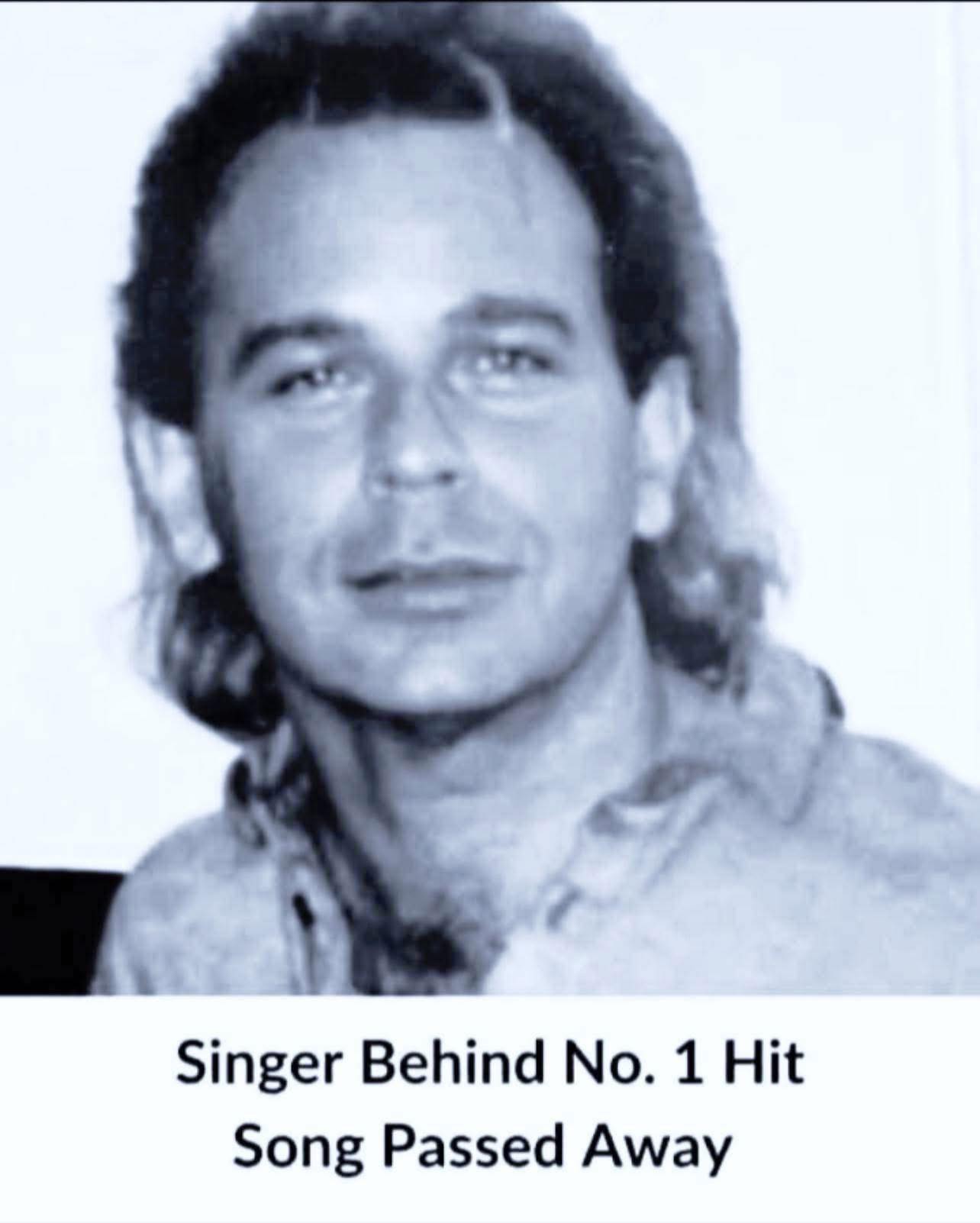
The news didn’t arrive with explosions or headlines screaming for attention. It arrived quietly, like a wound opening in slow motion. One moment the world still carried the echo of a voice that once soared higher than almost anyone believed possible, and the next there was only silence. The kind of silence that feels unnatural, almost cruel. For the family left behind, grief now sits where certainty used to be. They speak about him with trembling disbelief, trying to process how something described only as a “brief illness” could steal away an entire lifetime so suddenly.
Before the world knew him as Lou Christie, he was born Lugee Alfredo Giovanni Sacco—a boy with a name that sounded more like opera than pop music. But even as a teenager, there was already something unforgettable about him. His voice didn’t simply reach notes; it attacked them, exploded through them, turned ordinary songs into emotional storms. At a time when radios ruled bedrooms, highways, and late-night heartbreaks, Lou Christie became impossible to ignore.
When songs like Lightning Strikes blasted through speakers, they felt larger than music. Together with songwriter Twyla Herbert, Christie created records that sounded dramatic, unpredictable, almost dangerous. The songs often began softly before erupting into soaring choruses and impossible falsettos that made listeners stop whatever they were doing just to listen. “Lightning Strikes” especially became more than a hit record—it became part of growing up for an entire generation. Teenagers danced to it, cried to it, fell in love to it. It carried the thrill and confusion of young romance in every note.
What made Christie different wasn’t only the range of his voice. It was the emotion behind it. There was desperation, vulnerability, excitement, and heartbreak all tangled together inside those performances. He sang like someone trying to outrun loneliness before it caught him.
Yet away from the spotlight, the man himself was reportedly far gentler than his dramatic records suggested. Fans often remembered how unexpectedly kind he was. He answered letters personally, spoke warmly to strangers, and treated small-town audiences with the same respect as sold-out crowds. To many people, he wasn’t just a famous singer from another era—he felt strangely personal, like a voice that had accompanied important moments of their own lives.
That’s part of why this loss feels heavier than most celebrity headlines.
Because voices like his don’t just entertain people.
They stay with them.
And now, despite the ordinary wording surrounding his passing, there’s something difficult to accept about imagining a world without that unmistakable falsetto still existing somewhere inside it. The records remain, of course. Old vinyl spins. Radio stations revisit classics. Songs drift through car speakers late at night. And every single time that impossible voice climbs skyward again, it feels less like nostalgia and more like defiance.
As if the man behind it refused to completely disappear.
Some people leave quietly and fade with time.
Others leave echoes.
Lou Christie left a voice that still sounds like electricity cutting through darkness, and no matter how many years pass, certain songs continue proving that while bodies disappear, music sometimes learns how to outlive grief itself.