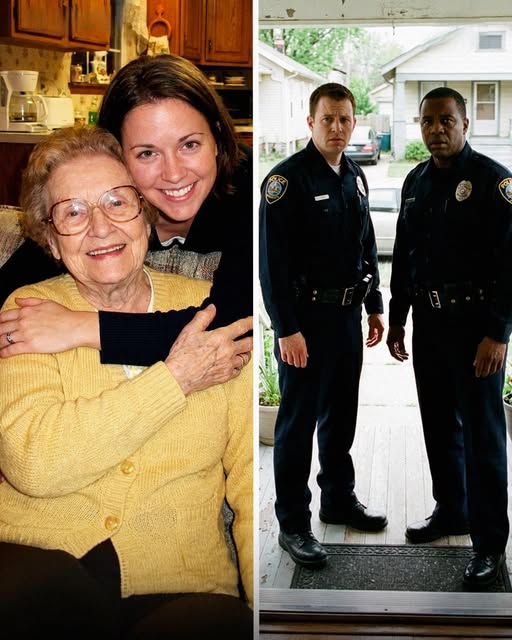
For three years, I lived within the quiet, steady rhythm of caring for Mrs. Whitmore, my eighty-two-year-old neighbor. What began as nothing more than a small gesture—offering to help her sort through a stack of unopened mail—slowly grew into something far deeper and more meaningful. Over time, it became a friendship that felt like emotional survival for both of us. We were two women tied together by different forms of loss. I had endured the death of my daughter and the slow collapse of my marriage, both shaped by grief and illness. She, in turn, was surrounded by children who only seemed to remember her existence when they began calculating what they would inherit. In her home, I learned her preferences down to the smallest detail—her favorite tea, the shows she watched in the evenings, and the quiet stories she carried from a long life. And she, in return, understood my silences, never pressuring me to speak about pain I wasn’t ready to share.
When Mrs. Whitmore passed away peacefully in her sleep, it felt as though the last warm light on my street had gone out. I took responsibility for her funeral arrangements with the care and devotion of a daughter, making sure the hymns she loved were played and the small bakery cookies she always enjoyed were placed for guests. Her three children—two daughters and a son—arrived dressed in mourning black, but their attention quickly drifted from grief to possessions, their eyes scanning rooms, furniture, and paperwork as though they were already dividing her life into assets. By the end of the funeral day, tension between them had already erupted into arguments over her estate.
The next morning, that fragile silence was shattered by a forceful knock at my door. Outside stood two police officers alongside Mrs. Whitmore’s eldest daughter, her expression filled with a strange mix of certainty and hostility. She accused me of stealing a diamond necklace, claiming it was a valuable family heirloom that had disappeared from her mother’s jewelry box. When the officers asked to search my home, I stepped aside without resistance, fully confident I had done nothing wrong. That confidence collapsed in an instant when an officer searched my purse—still the one I had brought to the funeral—and pulled out a small velvet pouch containing the very necklace she had described.
The humiliation of being escorted to a patrol car in full view of my grieving neighbors cut deeper than I could have imagined. At the police station, detectives listened to my explanations with clear doubt, pointing to my closeness to Mrs. Whitmore and my access to her belongings as suspicious circumstances. Panic began to rise in my chest, but then a memory surfaced: during the funeral, I had left my purse unattended several times while greeting guests and handing out programs. I begged them to review the security footage from the funeral home.
In the viewing room, the truth unfolded on a grainy surveillance screen. We watched as I stepped away from my bag to speak with a mourner. Moments later, the eldest daughter approached my chair, looking around cautiously before slipping something from her coat into the side pocket of my purse. The detective replayed the moment, and with each repetition, the intention behind her actions became unmistakable.
When confronted with the evidence, her composure broke. She admitted that they had recently learned their mother had changed her will, leaving a significant portion of her estate to me in gratitude for the years of care I had given her. Fearing they would lose their inheritance, they had decided to frame me, hoping that a criminal charge would discredit me and allow them to challenge the will in court.
The charges against me were dropped immediately, and the daughter was arrested for filing a false report and planting evidence. A few days later, I found myself once again on Mrs. Whitmore’s porch, sitting in her rocking chair as the evening light faded behind the trees. Her lawyer soon arrived and handed me a letter she had written before her passing, written for exactly this moment. In it, she explained that what she had left me was not payment, but gratitude—a recognition of the companionship and dignity I had given her in her final years. She asked me not to let her children’s bitterness change the way I moved through the world.
As I held that letter in my hands, I understood something I had never fully grasped before: blood may define relatives, but presence defines family. Mrs. Whitmore had seen me when I felt completely invisible, and in her final act, she made sure the truth of that bond would not be erased.