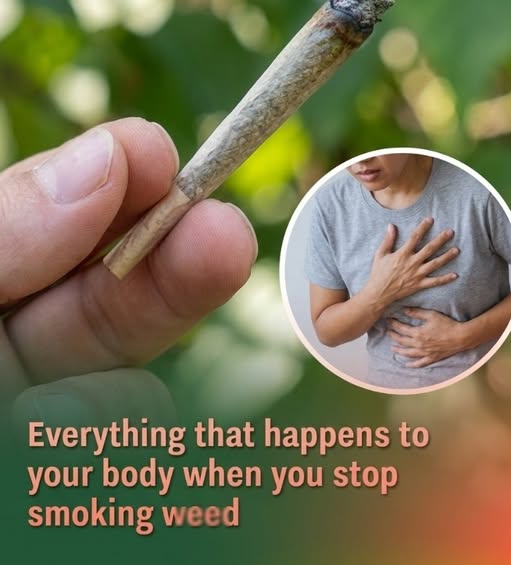
Deciding to quit cannabis—especially for those who have developed the habit of mixing it with tobacco—can feel like a major challenge. However, the human body is an incredible self-healing system, and the moment you stop inhaling smoke, a deep biological recovery process begins. Although early withdrawal symptoms such as irritability and restlessness can be difficult, the physical and mental changes that follow demonstrate the body’s remarkable ability to restore balance.
The recovery process starts just a few hours after the last use. As nicotine and carbon monoxide begin to leave the bloodstream, the cardiovascular system experiences immediate relief. Heart rate, which often increases during smoking, starts returning to normal, while blood vessels previously constricted by nicotine begin to relax. This quickly reduces strain on the heart and can create an early sense of physical calm.
Within 24 hours, the changes become even more noticeable. Carbon monoxide is fully eliminated from the blood, significantly improving the body’s ability to carry oxygen. As oxygen levels rise, the constant fatigue often associated with frequent smoking begins to fade. Breathing feels easier, and the mental fog commonly linked to long-term use starts to lift, replaced by a clearer sense of awareness.
During the first week of abstinence, the most significant changes occur in sleep patterns. Cannabis typically suppresses REM sleep, the stage responsible for dreaming and emotional processing. Once this effect is removed, natural sleep cycles return strongly. This often leads to vivid dreams, but it also means the body is finally receiving the deep, restorative rest it needs. As a result, focus improves, mood becomes more stable, and daily energy levels increase.
Around the second week, circulation continues to improve significantly. Blood vessels begin to repair themselves, allowing oxygen-rich blood and nutrients to reach organs and skin more efficiently. Many people notice an improvement in skin appearance and an overall boost in vitality. Physical activity becomes easier and less tiring.
By the end of the first month, the lungs enter a key phase of recovery. Tiny hair-like structures called cilia, which help clean the airways, begin to regenerate. This may temporarily cause coughing as the lungs clear out built-up toxins, but in the long term, lung function improves significantly. Everyday activities such as climbing stairs or exercising become noticeably easier.
The long-term mental benefits are equally important. Over time, anxiety and mood swings begin to stabilize, concentration improves, and memory becomes sharper. Ultimately, quitting cannabis is not just about stopping a habit, but about regaining control over both body and mind. It shows that no matter how long the habit has lasted, the body always has the ability to heal and return to a healthier, more natural state.