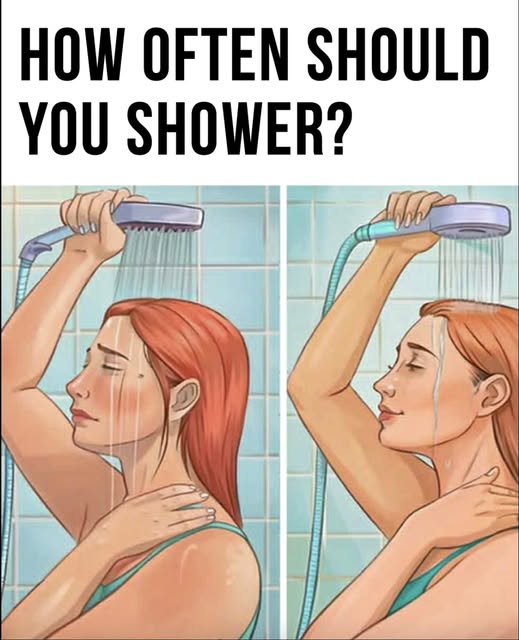
In modern society, taking a daily shower is often seen as a basic part of personal hygiene and even a moment of relaxation. Many people view it as essential for feeling fresh and clean. However, recent insights from dermatology suggest that bathing too frequently might not always be beneficial for the body. While warm water can feel soothing and refreshing, specialists increasingly point out that excessive washing may interfere with the skin’s natural protective systems. As health awareness continues to evolve in 2026, experts are encouraging people to think of the skin not simply as a surface to clean, but as a complex organ that functions best when its natural balance is preserved.
Human skin acts as a protective barrier that produces natural oils and lipids. These substances help maintain moisture and shield the body from environmental irritants and harmful microorganisms. When someone showers every day—especially using hot water and strong soaps—these protective oils can be removed faster than the body can replace them. Without this layer, the skin may begin to lose moisture quickly, which often leads to dryness, itching, and flaking. In more severe cases, the skin can develop tiny cracks that weaken its defenses, making it easier for allergens, bacteria, and irritants to enter and cause issues such as irritation, eczema flare-ups, or minor infections.
Frequent washing can also affect the skin’s microbiome. Much like the digestive system, the skin hosts a community of beneficial bacteria that help protect against harmful microbes. When the skin is cleaned too aggressively or too often, these helpful microorganisms can be reduced along with harmful ones. This imbalance may make it easier for unwanted bacteria to grow. Some dermatologists connect this idea with what is known as the “hygiene hypothesis,” which suggests that environments that are too sterile may limit the natural exposure our immune systems need to develop strong defenses. This concept is especially relevant for children, whose immune systems are still developing and learning to recognize everyday microbes.
Showering habits can also influence other bodily systems, including circulation and temperature regulation. Hot showers, although relaxing, cause blood vessels near the skin to expand. This process, called vasodilation, can sometimes lead to temporary drops in blood pressure and feelings of lightheadedness. For older adults or individuals with circulation issues, these sudden temperature changes may present certain risks. On the other hand, extremely cold showers—often promoted for their energizing effects—can cause a sudden “cold shock” response, which may trigger rapid breathing and a quick increase in heart rate. Because of these effects, many health professionals recommend using warm or lukewarm water rather than extremely hot or cold temperatures.
Hair and scalp health can also be affected by excessive washing. Each hair follicle is connected to a gland that produces sebum, a natural oil that conditions and protects the hair. Washing hair too frequently, especially with shampoo, removes this oil before the body has time to restore it. As a result, hair can become dry, brittle, and more likely to break. Over time, a constantly dry scalp may also lead to irritation or inflammation. For most people, specialists suggest washing hair two or three times per week rather than daily, unless heavy exercise, sweat, or environmental pollution makes more frequent washing necessary.
Adopting a healthier hygiene routine does not necessarily mean abandoning cleanliness. Instead, many dermatologists recommend a more balanced approach. In typical indoor living environments, a full-body shower every day is often unnecessary. Instead, the focus can shift toward “targeted hygiene.” This means regularly washing areas of the body where sweat and bacteria tend to accumulate the most, such as the face, underarms, and groin. The rest of the body may only require rinsing with water or less frequent washing, particularly if a person has not been exposed to dirt, heavy sweating, or outdoor labor.
The length of a shower also plays an important role. Long showers that last fifteen or twenty minutes expose the skin to drying water for extended periods. Dermatologists commonly recommend keeping showers short—around three to five minutes whenever possible. Shorter showers not only reduce moisture loss from the skin but also conserve water. After bathing, applying a moisturizer soon afterward can help restore the skin’s protective barrier. Many specialists suggest moisturizing within a few minutes after stepping out of the shower, while the skin is still slightly damp, to help lock in hydration.
Ultimately, modern hygiene practices should aim to support the body’s natural defenses rather than disrupt them. By reducing unnecessary washing and using gentler routines, people allow their skin to maintain its natural balance. This approach does not reject cleanliness but instead recognizes the body’s own ability to regulate and protect itself.
Although changing long-standing habits may feel unusual in a culture that strongly associates daily showers with freshness, the benefits can be significant. Healthier skin, a stronger microbiome, and improved moisture balance are all potential advantages of a more moderate routine. In many ways, stepping back from constant washing helps preserve the skin’s natural protective layer—the living barrier that keeps our bodies safe while connecting us to the environment around us.