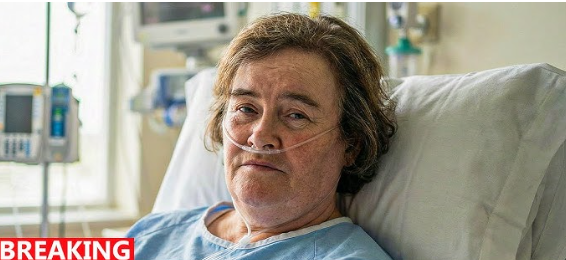
The theater fell into a hush before she even uttered a note. It wasn’t the skeptical silence of an audience waiting to be impressed, nor the sharp intake of breath that comes with a rising superstar. This silence was heavier—thick with empathy, anticipation, and the unspoken acknowledgment of everything she had endured to get there. Months earlier, a mild stroke had shaken the foundation of her very identity, threatening the voice that had once captivated millions. For someone whose life had been defined by music, whose fame had risen almost overnight on the back of a single song, the stroke was more than a physical challenge—it was an existential threat. Would her body remember the rhythms? Would her lungs, her throat, her memory, and her courage align once again to do what she had done effortlessly for years? The audience, knowingly or unknowingly, sensed the fragility beneath her poised exterior. They knew this night wasn’t just another performance; it was a triumph over uncertainty, over fear, over the quiet terror of imagining life without the voice that had defined her.
When she first walked onto the stage years ago, the world was waiting to see her stumble. Susan Boyle had been underestimated, laughed at, and doubted at nearly every turn. The sharp commentary, the whispering crowds, and the incredulous expressions of judges formed the backdrop of a journey that seemed impossible to navigate. But tonight, the narrative had shifted completely. She returned not as someone seeking validation or battling skepticism; she returned as a survivor, a woman who owed no explanations to anyone. The fame she had once stumbled into now seemed secondary to something far deeper—the reclamation of self. Every scar, every therapy session, every morning spent practicing scales in a quiet room while battling frustration and fatigue had led to this singular moment. The high notes, once a dazzling spectacle, had become almost irrelevant. What mattered was presence. What mattered was showing up. What mattered was standing under those bright, unforgiving lights again, when every instinct might have urged her to stay home, to retreat into the safety of what she knew.
As the first note fell from her lips, it was not perfect, and it didn’t need to be. It was human, trembling, and alive. Each tone carried the echoes of struggle, the triumph of perseverance, and the unspoken stories of those dark days in hospitals and therapy rooms. The audience didn’t just hear a song; they felt a life rewritten, a courage tested, and a resilience that cannot be measured in applause. The judges, often stoic and reserved, stood with a quiet reverence rather than the shock or amazement one might expect from a celebrity comeback. There was a recognition here that transcended musical talent. This was more than a performance; it was a testament, a declaration that survival itself could be beautiful, commanding, and unforgettable. In that moment, applause became secondary. Every breath taken, every note released, every hesitant glance toward the crowd was a victory, a subtle ovation to the power of endurance.
When the final note faded, silence returned for a heartbeat, heavier now with awe and understanding. Then, gradually, the theater erupted—not just for the song, but for the story behind it. Susan Boyle had transformed the act of survival into an art form. She hadn’t just reclaimed a stage or a spotlight; she had reclaimed herself, step by painstaking step, note by note. The song ended, but the resonance lingered, imprinting on every person present that courage is not always loud. Sometimes, courage is quiet. Sometimes, it is as simple—and as profound—as walking back into the light after a long, uncertain journey. Healing, it turned out, was its own kind of standing ovation. And in that truth, every listener understood that this night wasn’t just about music—it was about life, perseverance, and the unshakable human spirit.