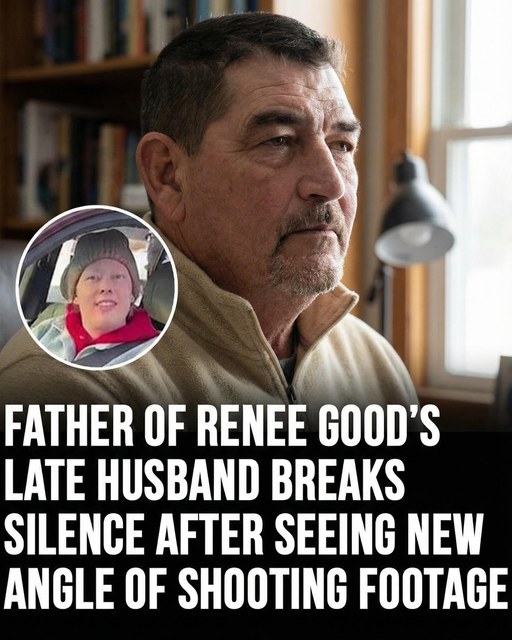
The tragic shooting of 37-year-old Renee Good during a federal immigration enforcement operation in Minneapolis has sparked a wave of public outrage, intense institutional scrutiny, and a complex national discussion about the limits of government power. The incident, which unfolded quickly in a residential neighborhood, was partially captured by bystanders and surveillance cameras, flooding social media with video footage. These clips have since become a digital Rorschach test, with viewers projecting their grief, anger, and mistrust onto the chaotic images. What began as a routine law enforcement action has rapidly evolved into a pivotal case on the intersection of public safety, federal authority, and personal tragedy.
The official account, provided by federal law enforcement, focuses on the volatile nature of the encounter. According to their statements, the officer who fired his weapon believed he was facing an imminent, lethal threat. Authorities maintain that when Renee Good’s vehicle began to move forward during the confrontation, the officer assumed the car was being used as a weapon, justifying the use of deadly force to protect himself and his colleagues. Supporters of this version of events emphasize the “split-second” nature of police decisions, arguing that it’s impossible to judge such high-pressure situations from the comfort of hindsight. They contend that officers must prioritize their safety when confronted with non-compliance and rapid movements.
However, this narrative has been met with considerable skepticism from local leaders, civil rights activists, and a community already traumatized by enforcement-related fatalities. Critics have scrutinized the available video footage, questioning whether the vehicle’s movement was an intentional act of aggression or a reflexive response to the chaos. The key issue for both investigators and the public is whether the escalation to deadly force was a necessary final step or a tragic failure to de-escalate. In response, the Minneapolis community has witnessed an outpouring of public demonstrations and town hall meetings, where demands for transparency have become the unifying theme. These gatherings have sparked a broader debate on how federal agencies can maintain public order without eroding the trust of the communities they serve.
The role of technology in this case cannot be overstated. The viral spread of video footage has forced a level of transparency that was absent a decade ago. It has allowed the public and independent analysts to examine the events from multiple perspectives, often leading to interpretations that challenge the initial official reports. This “citizen oversight” has placed immense pressure on federal investigators to conduct a thorough and impartial review. Acknowledging the public’s concerns, authorities have placed the involved officers on leave and launched an extensive inquiry into the details of the incident, examining every frame of footage and assessing the protocols followed during the operation.
Amid the political and procedural debates, the human cost of this tragedy remains squarely focused on the family that Renee Good left behind. In public statements, her family has navigated the difficult emotional terrain of mourning a loved one whose death has become a national political symbol. One relative, in a particularly poignant interview, offered a more nuanced perspective that contrasts sharply with the polarized reactions online. He admitted that he did not place full blame on the officer, acknowledging the likely confusion and fear felt by the agents involved. However, he expressed frustration with the institutional response, particularly criticizing the impersonal and sometimes callous tone of the public statements issued after the shooting. For the family, the lack of empathy from the agencies involved has been an additional trauma, intensifying their grief over the loss of a mother, sister, and daughter.
On the national stage, the incident has prompted responses from political leaders who must tread carefully. While offering condolences to the Good family, many have stressed the importance of due process, urging the public to wait for the final results of the official investigation before drawing conclusions. However, the case has inevitably become a key point in the ongoing national debate about federal immigration reform and the oversight of agencies operating within local communities. The Minneapolis incident highlights the potential for conflict when federal priorities clash with local values of safety and justice.
As the investigation enters its second week, authorities are casting a wide net, asking for any additional video evidence or eyewitness accounts. The goal is to reconstruct the final moments of Renee Good’s life with precision—taking into account the speed of her vehicle, the officers’ verbal commands, and the positioning of all parties involved. This data-driven approach aims to determine whether the officer’s fear of “imminent danger” was justified under the Fourth Amendment, or if the tragedy resulted from a tactical error.
The Minneapolis shooting is more than just a local news story; it serves as a mirror to the current state of American society. It reveals a deeply divided nation on the role of authority, yet united in the demand for a system that values human life above all. Whether the final reports bring justice or deepen public disillusionment remains to be seen. However, one thing is clear: the name Renee Good will remain ingrained in the collective consciousness of the city, acting as a catalyst for renewed calls for accountability in federal law enforcement. As investigators continue to scrutinize the evidence and slow down the “split-second” for public viewing, the search for solutions that prevent such tragedies from occurring in the future continues.