A perfect night out can vanish in a matter of seconds. One moment, you’re laughing over shared stories and clinking glasses; the next, the illusion of safety and comfort crumbles. That evening began like any other carefully planned outing: a trendy, stylish restaurant in the heart of the city, soft, golden lighting casting warm shadows across the polished wood tables, servers gliding gracefully between diners, and plates arriving that were so beautiful you almost didn’t want to eat them. The menu was carefully curated, promising fresh, locally sourced ingredients and the kind of flavors that make every bite feel like a little celebration.
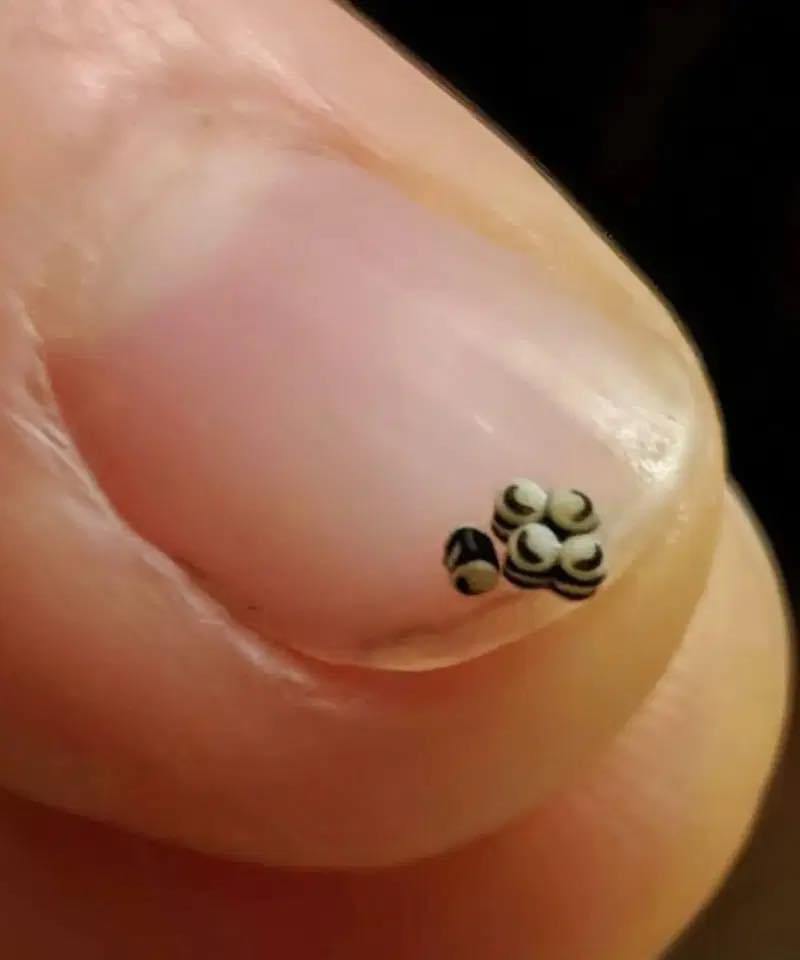
We had ordered salads as starters. They looked impeccable at first glance: crisp leaves, vibrant reds and greens, glistening vinaigrette. But then something tiny caught my eye. At first, I thought it was just part of the presentation, maybe seeds sprinkled on top for texture. But as I leaned closer, heart suddenly hammering, I saw movement. Tiny black specks wriggling across the surface, glistening under the soft restaurant lights. My stomach flipped instantly, my pulse accelerating. A quiet dread spread through the table, a sensation that something was very, very wrong.
The waiter, once confident and composed, went pale. His hands trembled slightly as he realized what was happening. My friend, who had been chatting just moments ago, froze mid-sentence, eyes wide, panic spreading across her face like wildfire. We didn’t know exactly what we were dealing with, but instinct screamed that it was serious. One of us fumbled for a phone; someone mentioned calling an ambulance, and in a matter of minutes, that simple, elegant evening had transformed into a nightmare scenario. We weren’t just worried about the food — we were worried about what might already be inside us.
The ride to the hospital felt endless. Every strange sensation, every flutter or twinge in our bodies, became a potential warning sign. Was this just the anxiety making us sick, or was it something far worse? Were the tiny wriggling specks just a terrifying anomaly, or had they carried some hidden, invisible danger into our bodies? Each stoplight, each turn in the city felt like a countdown. The hospital doors loomed like a gateway to answers we weren’t sure we were ready to face.
Once inside, doctors took our concerns seriously. We were ushered into examination rooms, subjected to blood tests and stool samples, prescribed preventive medication, and left to wait in sterile rooms that seemed far too quiet for the storm of fear racing through our minds. The physicians explained, with calm authority, that insect eggs can sometimes end up on unwashed greens, poorly stored ingredients, or produce handled without proper hygiene. Serious infections were rare, but the risk existed — real enough that it demanded attention. They emphasized caution without panic, a delicate balance that was difficult for anyone gripped by uncertainty to absorb.
Hours passed. Minutes felt like hours. Our conversations dwindled to whispers. Every sound in the hospital — the beeping monitors, the distant echo of footsteps, the murmur of nurses — heightened our awareness, every detail amplified by the tension in the room. We shared tentative glances, silently acknowledging that the evening we had imagined would be carefree, joyful, and lighthearted had been replaced with fear, uncertainty, and a sense of vulnerability we hadn’t anticipated.
Eventually, we were cleared: physically fine, as far as the tests could determine. But the psychological impact lingered. Leaving the hospital, the world outside seemed simultaneously familiar and alien. Every streetlight, every sign of life, reminded us of the fragile barrier between routine comfort and sudden panic. The restaurant reached out, offering apologies, a refund, and even gift vouchers, gestures meant to soothe the financial or social aspects of the experience. But how do you compensate for the sudden, visceral fear that something invisible may have invaded your body? How do you replace the innocence of sitting down to a meal with the constant, gnawing awareness of potential danger?
Since that night, every salad we encounter is inspected with painstaking care. Each leaf, each berry, each “healthy bowl” is examined, turned, sometimes even washed a second time before we dare to taste it. It isn’t paranoia — it’s vigilance, born from a traumatic lesson. One horrifying discovery, one instant of terror, is enough to change the way you see something you had previously taken for granted. Food should nourish, delight, and sustain; it should never instill fear. Yet we now approach every meal with a quiet wariness, a new respect for the invisible threats that could hide in even the most meticulously plated dish.
Even on nights out meant to be carefree, the memory lingers. Conversations sometimes return to that moment: the wriggling specks, the waiter’s pale expression, the ride to the hospital, the long wait for answers. It is a story we tell carefully, never casually, because it reminds us of the fragility of routine, of trust, and of the boundaries we assume exist in a world that can change in an instant. The plates may still be beautiful, the lights still warm, but now there is an underlying awareness: vigilance can coexist with enjoyment, and awareness can protect the very thing you came out to celebrate.
One horrifying discovery is enough to rewrite the way you experience ordinary life. A single moment of terror, hidden in the mundane, can reshape how you perceive meals, how you sit at a table, how you trust a chef or a kitchen. And even as we rebuild our confidence, savoring carefully checked greens and cautiously enjoyed dishes, we carry with us a quiet understanding that food, so central to daily life, wields power beyond flavor — the power to evoke trust, joy, or in an instant, fear that lingers long after the meal is finished.