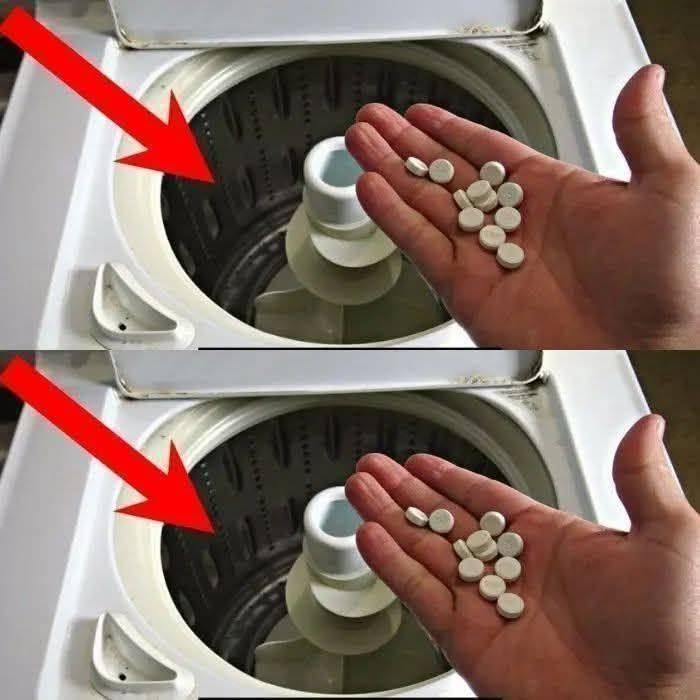
White clothing doesn’t lose its brightness simply because it gets old. It fades because residue builds up slowly—wash after wash—until there is no space left for the fabric to reflect light. Long before store shelves filled with commercial stain removers and chemical whiteners, people relied on simpler, observation-based solutions. One of those almost forgotten methods is using aspirin in laundry. It may sound strange at first, but it stands up surprisingly well when viewed through a modern scientific lens.
Daily wear leaves behind more than visible dirt. Sweat deposits uric acid and body oils deep within fabric fibers. Antiperspirants add aluminum salts that cling stubbornly to cotton. Hard water leaves mineral buildup, and even good-quality detergents can leave behind microscopic residue that never fully rinses away. Over time, these substances bond together and attach to fabric at a molecular level. Once that happens, regular wash cycles are no longer enough. Whites turn gray, collars yellow, and towels lose their crisp texture—even when they still smell clean.
This is where aspirin proves its value.
Aspirin contains salicylic acid, a compound well known in medicine and skincare for its ability to break down organic matter. In laundry care, salicylic acid acts as a gentle yet effective cleaning agent. It penetrates fibers and loosens the bonds holding oils, minerals, and residue to the fabric. Instead of hiding discoloration the way optical brighteners do, aspirin helps remove the cause of the problem. The fabric isn’t bleached or coated—it is genuinely cleaner.
Think of it as a deep reset for the fibers rather than a surface-level fix.
When used properly, aspirin helps dissolve residue so it can be rinsed away with water. This restores softness, improves absorbency, and brings back the natural brightness of white fabrics without the harsh effects of chlorine bleach. For those focused on extending clothing life, sustainable cleaning, and affordable household solutions, this method offers clear benefits.
There are several effective ways to use aspirin in laundry, depending on how dull or stained the fabric is.
For a regular load of white laundry, crush two or three uncoated aspirin tablets. Both low-dose (81 mg) and regular-strength (325 mg) tablets work well. Add the powder directly to the washing machine drum before putting in the clothes. Use your normal detergent and run a standard cycle. Warm water works best, as it helps dissolve the aspirin fully and activates the salicylic acid. This method is ideal for everyday items like T-shirts, pillowcases, baby clothes, workout wear, and towels that have gradually lost brightness.
For heavier discoloration or stubborn yellowing, soaking is more effective. Crush four aspirin tablets and dissolve them in one gallon of warm water. Fully submerge the fabric and let it soak for two to six hours. For severe staining, soaking overnight is safe and often produces strong results. After soaking, wash the items as usual. This approach works particularly well for underarm stains, collar buildup, vintage linens, and clothing that has been stored for long periods.
Aspirin can also be used to boost detergent performance. Crushed tablets can be mixed with powdered detergent, or whole uncoated tablets can be placed directly in the detergent compartment. This is especially helpful in hard water areas, where mineral buildup reduces detergent effectiveness and speeds up fabric dulling. By breaking down residue, aspirin allows detergent to work as intended again.
There are a few important precautions to keep in mind. Always use uncoated aspirin so it dissolves evenly. Avoid using aspirin on delicate fabrics like silk or wool, as the mild acidity can damage protein fibers. Never mix aspirin with bleach, as this can create irritating fumes. If you plan to use aspirin on colored fabrics, test a small hidden area first, since extended exposure may affect some dyes.
Expired aspirin should not be used for medical purposes, but it remains effective for laundry, making it a practical way to reduce waste and save money.
What makes this method especially appealing today is how well it aligns with modern values. It supports eco-friendly cleaning, reduces reliance on harsh chemicals, extends the life of clothing, and lowers household costs. As interest grows in sustainable living, natural cleaning methods, and proven traditional practices, aspirin in laundry continues to gain attention for good reason.
This isn’t about nostalgia. It’s about recognizing that many older household methods were developed through experience and repeated success. They lasted because they worked. Their rediscovery through home-care guides, minimalist living communities, and frugal lifestyle resources speaks to their reliability.
There is a quiet satisfaction in pulling a once-dull white garment from the wash and seeing it bright again—not because it was coated with chemicals, but because it was truly cleaned. That satisfaction reflects a broader mindset: valuing intention over excess and knowledge over marketing.
You don’t need expensive stain removers or heavily fragranced additives to care for your clothes well. Sometimes all it takes is a few forgotten tablets, warm water, and trust in a method that has quietly proven itself over generations.
True wisdom is rarely loud. It lives in everyday routines, in folded laundry, and in the confidence that comes from experience rather than advertising. When you hold a garment that looks refreshed after years of use, you’re not just seeing clean fabric—you’re seeing care, patience, and respect for the things that serve us daily.
In the end, this isn’t just a laundry tip. It’s a reminder that simple, thoughtful solutions often outperform the most complicated ones.